Living tradition, India
Jaipur
Rajasthan's capital and jewellery city, maker of the bridal nath, the borla and other face ornaments.
Jaipur, founded in 1727 by Maharaja Sawai Jai Singh II, is one of India's great jewellery cities. Its workshops and the shops of Johari Bazaar make kundan and meenakari pieces, set gold and coloured enamel, for brides across North India. Face ornaments are central: the nath for the nose, the borla or maang tikka for the forehead and the bindi.
Ornaments of the face
A Rajasthani bride may wear a large nath, a gold hoop set with pearls and stones and chained to the hair, a borla, a round ornament hung at the centre of the forehead from the parting, and side ornaments along the hairline. Many families keep naths as heirlooms. A small nose stud, the laung, is everyday wear for many women in Rajasthan.
Kundan and meenakari
Kundan is the craft of setting stones in highly refined gold foil, and meenakari is enamel work, often on the back of kundan pieces, in red, green and white. Jaipur's craftsmen learned meenakari, by tradition, from artisans brought from Lahore by Raja Man Singh in the sixteenth century. Lighter versions of bridal pieces are now made for everyday wear.
Guides of Jaipur

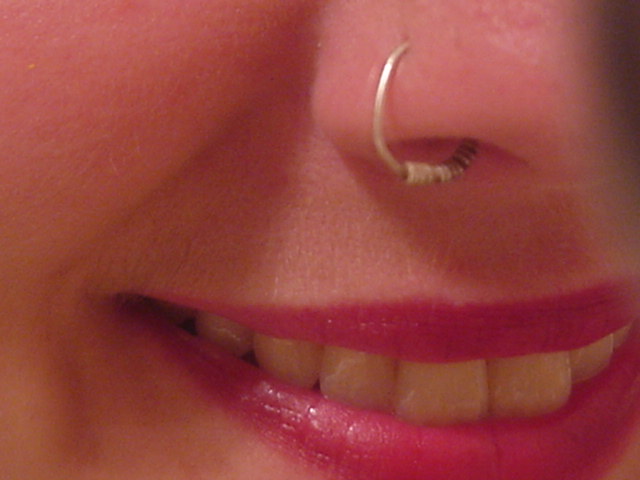

Photo credits on this page
The small pictures above come from Wikimedia Commons under free licences. Some are cropped to fit.
- Bindi: Vinay Sahay, CC BY-SA 4.0, source
- Nose jewellery: Etan Doronne @ www.myindiaexperience.com, CC BY-SA 3.0, source
- Nose piercing: Marie Richie, CC BY 2.0, source