
Nose jewellery
Ornaments worn through nostril or septum piercings.
Nose jewellery includes rings and studs attached via piercing in the nostril or septum. It has ancient roots in the Middle East and Americas, later spreading to South Asia where it became a marker of marital and economic status.
- Earliest reference dates back 4,000 years to the Middle East.
- Nath symbolises marital status in South Asian traditions.
- Mayan septum piercings used oblong beads rather than spherical ones.
- K'iche lords underwent nose piercing to mark leadership.
- Biblical texts mention nose rings as gifts of beauty.
What it is
Nose jewellery consists of ornaments attached through a piercing in the nostril or the septum. These items range from simple beads to elaborate rings made of gold, silver, pearls, or gems. The placement varies by culture, with some traditions favouring the ala of the nose and others the septum. The style serves as a visible adornment that can indicate social standing or marital status depending on the region and era.
History and origin
The earliest references date back 4,000 years to the Middle East, where a golden ring called a Shanf was given as a marriage gift. Ancient Carthage saw both men and women wear septum piercings. In the Americas, pre-Columbian cultures like the Maya and Toltecs used nose piercings in status ceremonies. South Asia adopted the practice around the 10th century, with the Nath becoming common by the 15th century and popular in the 17th and 18th centuries.
What it means
In many traditions, nose jewellery signals elevated social status or leadership. For the K'iche lords, it marked their new role akin to a king's crowning. In South Asia, the Nath symbolises a woman's marital status and displays economic wealth through the use of precious stones and metals. Different stones and bead shapes in Yucatán denoted specific societal origins. Biblical texts also associate nose rings with beauty and divine adornment.
Styling and care
The ornament is worn through a healed piercing. In South Asia, the full form of the Nath includes a jewelled ring connected by a chain to a hairpiece. Materials vary from silver for everyday wear to gold set with sapphires and pearls for special occasions. The size and shape of beads can denote the wearer's specific society or civilisation.
In culture
Nose piercing appears in religious texts such as Genesis and Ezekiel, linking it to bridal gifts and divine favour. Carvings at Chichen Itza depict nose piercing rituals as central to status ceremonies rather than sacrifice. The British Museum holds a significant collection of these jewels from India, Nepal, and Pakistan, highlighting their historical importance across South Asia.

Questions people ask about Nose jewellery
Where did nose jewellery originate?
The earliest known references come from the Middle East, dating back 4,000 years. It also has deep roots in the Americas and South Asia, where it developed independently in various cultures.
What does a Nath signify in South Asia?
The Nath is a nose jewel that traditionally symbolises a woman's marital status. It also displays the economic status of the wearer through the use of gold, pearls, and precious gems.
How did ancient Mayans wear nose jewellery?
Mayans typically pierced the septum and adorned it with an oblong bead. This differed from the Toltecs, who pierced the ala of the nose and used spherical beads.
Good reading and sources
The facts on this page come from the Wikipedia article "Nose-jewel", written by its contributors and used under the CC BY-SA 4.0 licence, and from its Wikidata record (CC0). EveryFaceShape rewrote the text in its own words, with AI assistance, and compares every page with the article to make sure no passage is copied. It may be reused under the same CC BY-SA 4.0 licence with a link back.
It may contain mistakes, and figures change over time. Nothing here is investment or buying advice. If something is wrong, tell us. Last refreshed 2026-11-15.
Like Nose jewellery
All adornment 🇲🇽 MexicoCalavera
Decorative or edible skulls made for the Mexican Day of the Dead.Adornment
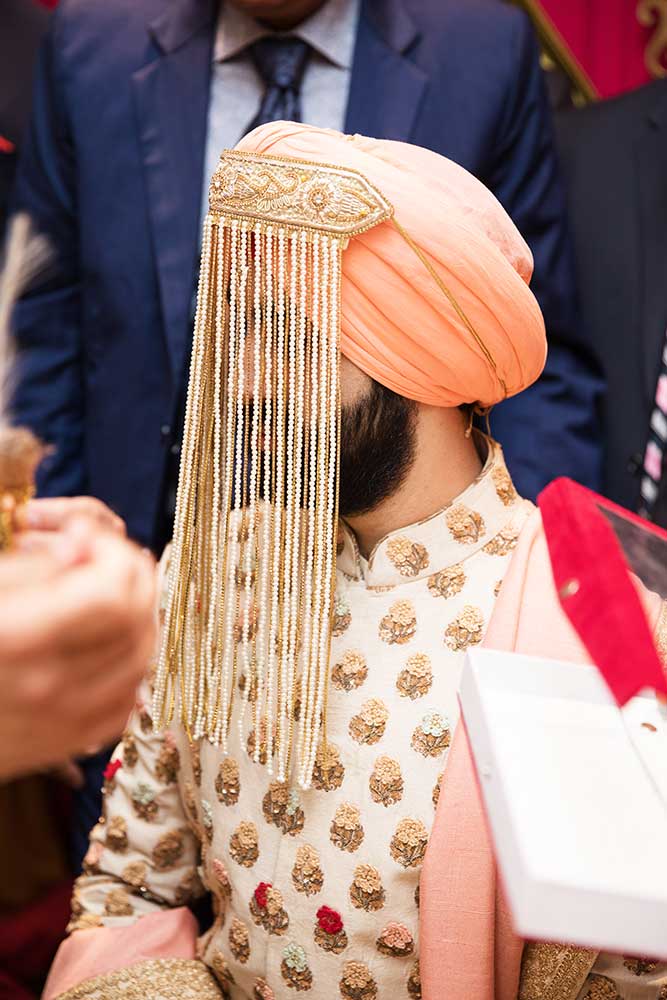 🇮🇳 IndiaSehra
A floral or beaded forehead garland for grooms.Adornment · Most faces
 🇮🇳 India and 4 moreBindi
A coloured dot worn on the forehead in South and Southeast Asia.Adornment · Most faces
 🇮🇳 India and 1 moreThreading
Hair removal using twisted cotton threadAdornment · Most faces