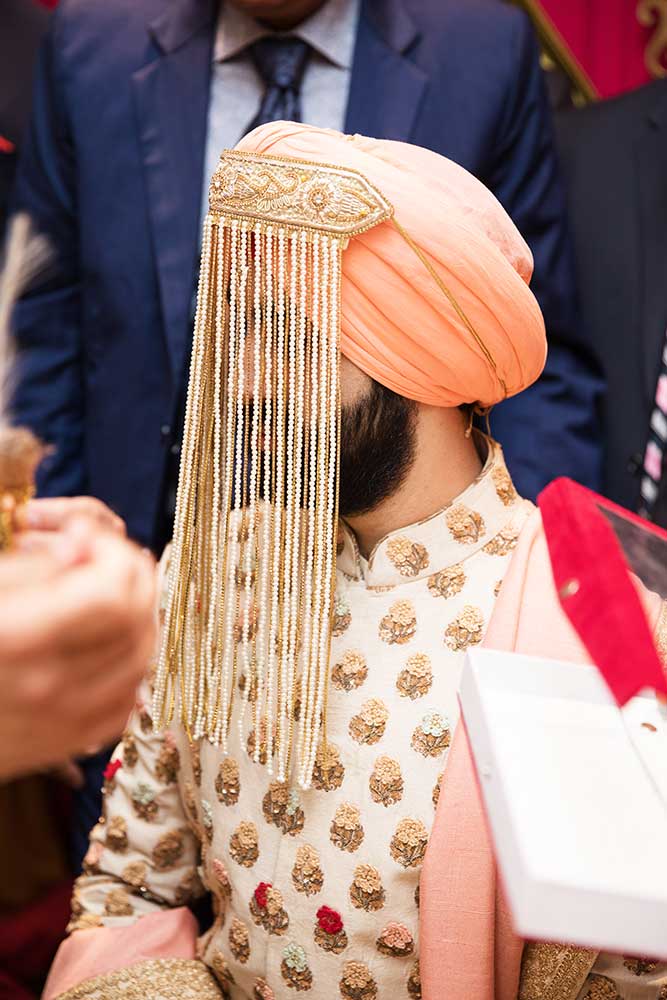
Sehra
A floral or beaded forehead garland for grooms.
The sehra is a decorative veil worn by grooms in the Indian subcontinent. It hangs from the turban to cover the face during wedding ceremonies. Made of flowers or beads, it marks the bridegroom as he travels to the wedding venue.
- Worn by grooms in the Indian subcontinent
- Made from flowers or beads
- Tied to the groom's turban or pagdi
- Derived from Sanskrit word Śīrṣahāra
- Ritual of tying it is called sehra bandi
What it is
A sehra is a forehead garland worn by a bridegroom or bride during weddings in the Indian subcontinent. It acts as a decorative veil that hangs from the groom’s turban or pagdi. The item is typically crafted from fresh flowers or strings of beads. It covers the face partially or fully, depending on the length and style. Regional names include sehro in Gujarati, sevrau in Rajasthani, and mundavalya in Marathi. In Telugu, it is known as basikam, while Sindhi speakers call it morrah. The piece serves as a key visual element of traditional wedding attire.
History and origin
The term sehra comes from the Sanskrit word Śīrṣahāra, which translates to a garland for decorating the head. This linguistic root highlights its ancient origins in the region. The word appears in the Braj poetry composed by the Hindu Bhakti saint Suradāsa, indicating its long-standing cultural presence. The tradition has spread beyond the subcontinent, with Caribbean Hindu bridegrooms also wearing the sehra during their nuptial ceremonies. This shows how the practice travelled with diaspora communities while retaining its core form.
What it means
The sehra holds significant meaning in wedding rituals across the Indian subcontinent. It identifies the groom as the central figure of the ceremony. The act of tying the sehra around the groom’s head is called sehra bandi. This ritual takes place right before the groom leaves for the bride’s house. It marks the transition from his home to the wedding venue. The garland symbolises honour and celebration, distinguishing the bridegroom from other guests through specific adornment tied to faith and tradition.
Styling and care
The sehra is tied directly to the groom’s turban or pagdi. It can be made from natural flowers or artificial beads, offering choices in texture and colour. The styling process involves securing the garland so it hangs over the forehead and face. This is done during the sehra bandi ceremony. The choice between flowers and beads often depends on regional customs and personal preference. It pairs with traditional wedding garments and headwear, completing the groom’s ceremonial look without requiring specific facial features.
In culture
The sehra features prominently in the wedding culture of the Indian subcontinent. It is referenced in historical religious poetry, such as the works of Suradāsa. The practice is observed by Hindu communities in India and the Caribbean. Different regions have distinct names for the same item, reflecting local linguistic traditions. It remains a visible symbol of marital rites, connecting modern couples to historical practices through the use of floral and beaded head adornments.
Questions people ask about Sehra
What is a sehra made of?
A sehra is typically made from either fresh flowers or strings of beads. The choice of material often depends on regional preferences and the specific wedding traditions being followed by the family.
Who wears the sehra?
The sehra is worn by the bridegroom during weddings in the Indian subcontinent. In some contexts, it may also be worn by the bride. It is also worn by Caribbean Hindu bridegrooms as part of their wedding attire.
What is sehra bandi?
Sehra bandi is the ritual act of tying the sehra around the groom’s head. This ceremony takes place right before the groom leaves his home to go to the bride’s house for the wedding.
Good reading and sources
The facts on this page come from the Wikipedia article "Sehra (headdress)", written by its contributors and used under the CC BY-SA 4.0 licence, and from its Wikidata record (CC0). EveryFaceShape rewrote the text in its own words, with AI assistance, and compares every page with the article to make sure no passage is copied. It may be reused under the same CC BY-SA 4.0 licence with a link back.
It may contain mistakes, and figures change over time. Nothing here is investment or buying advice. If something is wrong, tell us. Last refreshed 2026-11-15.
Like Sehra
All adornment WorldNose jewellery
Ornaments worn through nostril or septum piercings.Adornment · Most faces
 🇮🇳 India and 4 moreBindi
A coloured dot worn on the forehead in South and Southeast Asia.Adornment · Most faces
 🇲🇽 MexicoCalavera
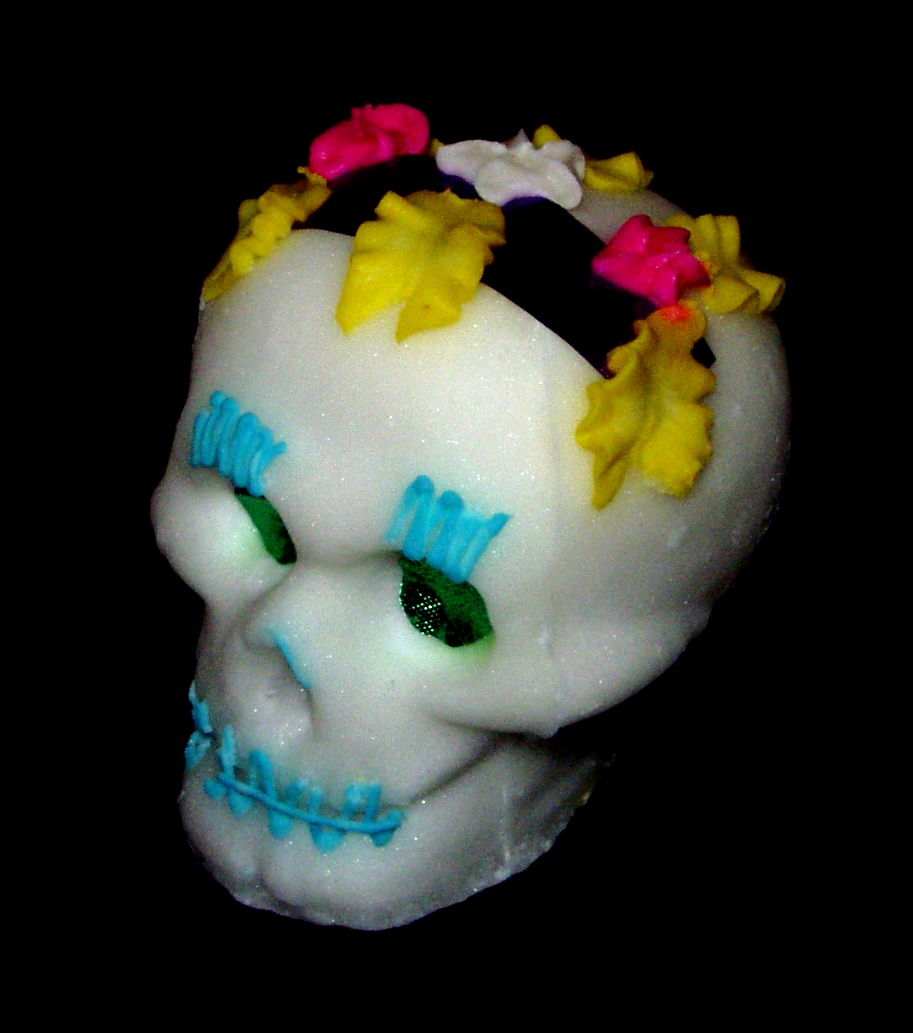
Decorative or edible skulls made for the Mexican Day of the Dead.Adornment
 🇮🇱 Israel and 2 morePe'ot
Sideburns left uncut above the cheekbone as required by Jewish law.Beard · Most faces