
Pe'ot
Sideburns left uncut above the cheekbone as required by Jewish law.
Pe'ot are sideburns grown long and left unshaved in accordance with Halacha. This practice stems from a rabbinic interpretation of Leviticus 19:27, which forbids marring the corners of the beard. It serves as a visible marker of religious observance among Jewish men.
- Leviticus 19:27 forbids marring the corners of the beard.
- Razors are prohibited for shaving the face in Halacha.
- Scissors are allowed for trimming facial hair.
- Kabbalah views the beard as spiritually holy.
- Pe'ot must extend below the cheekbone.
What it is
Pe'ot are distinct strips of hair growing along the sides of the head, specifically the sideburns. They are left uncut to extend below the cheekbone. This style differs from standard grooming because it intentionally preserves hair that might otherwise be shaved or trimmed short. The appearance varies by community, but the defining feature is the length and position relative to the ear and jawline.
History and origin
The custom originates from Leviticus 19:27, which prohibits marring the corners of the beard. Rabbinic literature interprets this as a ban on shaving the temples. Early Jewish communities followed local fashions, sometimes removing beards in Europe or growing them long in Muslim lands. By the Middle Ages, Kabbalistic teachings reinforced the holiness of the beard, making pe'ot a stricter requirement for many Orthodox groups.
What it means
Pe'ot serve as a physical reminder of divine commandments. In Kabbalistic thought, the beard represents spiritual channels, so preserving it maintains holiness. Historically, it also distinguished Jews from surrounding nations who practiced different grooming habits. For Hasidic Jews, it signifies adherence to mystic traditions and separation from secular norms.
Styling and care
Jewish law permits trimming with scissors but strictly forbids using a razor on the face. Electric shavers are debated; some authorities allow them if they function like scissors, while others prohibit rotary models. Men must ensure the hair at the temples remains intact. Mustaches may be trimmed for practical reasons, such as eating, but the temple locks must stay long.
In culture
Prominent figures like Isaac Luria avoided touching their beards to prevent accidental loss. The style is common among Haredi and Hasidic men worldwide. During the Holocaust, forced shaving was used as humiliation, highlighting the cultural value of these features. Today, they remain a key identifier of traditional Jewish male identity.

Questions people ask about Pe'ot
Can I use an electric shaver?
Opinions vary. Some rabbis permit electric shavers if they trap hair between blades like scissors. Others forbid rotary shavers that pull and cut like razors. Always consult your specific religious authority.
What does the Bible say about sideburns?
Leviticus 19:27 states you shall not round the corners of your heads or mar the corners of your beard. Rabbinic interpretation applies this to leaving the temple hair uncut.
Are pe'ot mandatory for all Jews?
No. While required for many Orthodox and Hasidic men, other Jewish denominations do not follow this halacha. Reform and Conservative Jews typically do not grow pe'ot.
Why did ancient Jews stop shaving?
Scholars suggest it distinguished Israelites from idolatrous neighbors. It also countered mourning customs where hair was shaved for the dead. The prohibition became a permanent religious law.
Good reading and sources
The facts on this page come from the Wikipedia article "Shaving in Judaism", written by its contributors and used under the CC BY-SA 4.0 licence, and from its Wikidata record (CC0). EveryFaceShape rewrote the text in its own words, with AI assistance, and compares every page with the article to make sure no passage is copied. It may be reused under the same CC BY-SA 4.0 licence with a link back.
It may contain mistakes, and figures change over time. Nothing here is investment or buying advice. If something is wrong, tell us. Last refreshed 2026-11-15.
Like Pe'ot
All beards 🇮🇳 India and 4 moreBindi
A coloured dot worn on the forehead in South and Southeast Asia.Adornment · Most faces
 WorldNose jewellery
Ornaments worn through nostril or septum piercings.Adornment · Most faces
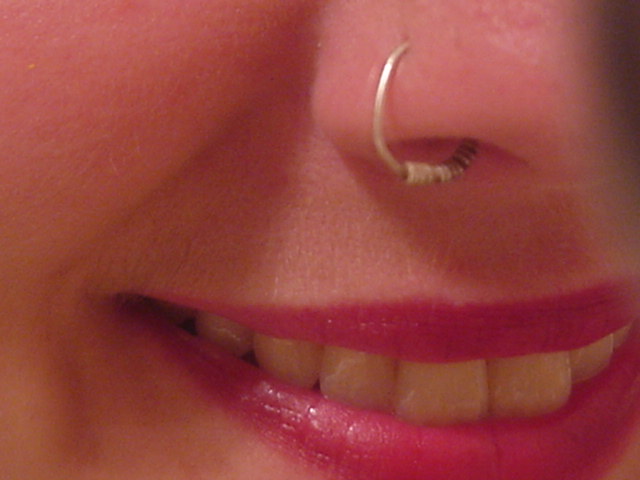 WorldNose piercing
A facial adornment involving jewelry inserted into the nose skin or cartilage.Adornment
 🇮🇳 IndiaTilaka
A traditional Hindu forehead mark applied with paste or ash to signify faith and spiritual identity.Adornment