
Bindi
A coloured dot worn on the forehead in South and Southeast Asia.
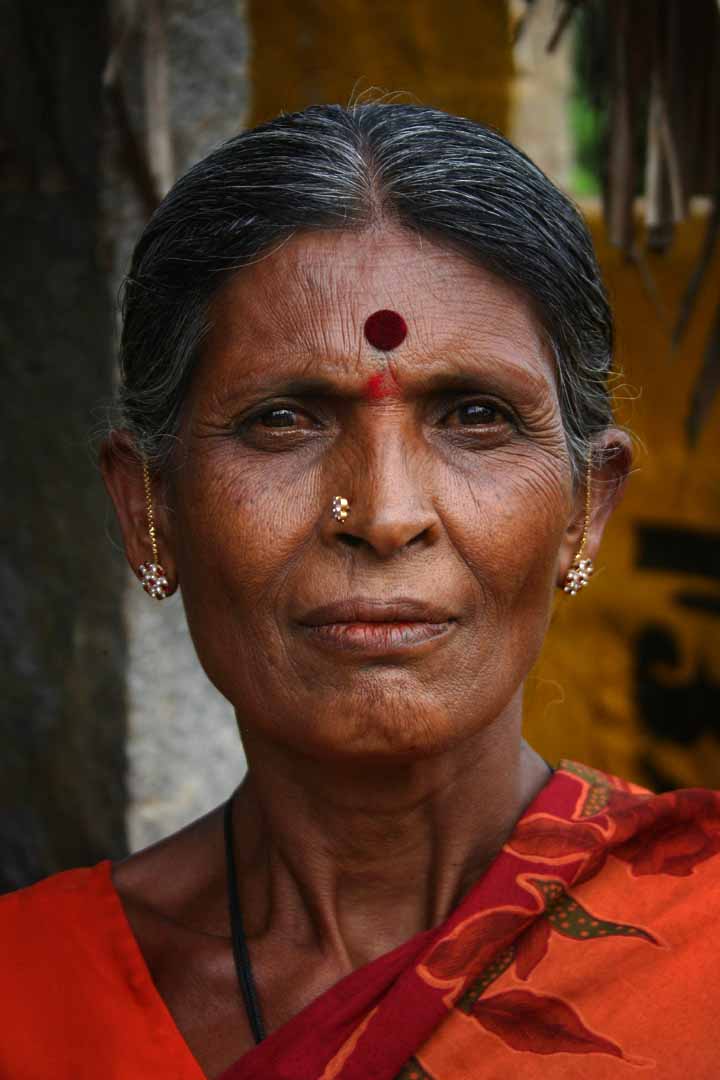
The bindi is a mark placed between the eyebrows by people across India and surrounding regions. It holds deep religious meaning as the seat of intuition while also serving as a fashion accessory today.
- The mark sits at the Ajna chakra, linked to intuition.
- Red colour symbolises marital status and prosperity.
- Modern stickers replace traditional kumkum powder.
- Celebrities like Madonna have worn the style globally.
- Regional variations include crescent shapes and lines.
What it is
This adornment appears as a bright spot or line placed directly between the eyebrows. Traditionally red or maroon, it mimics kumkum powder used in rituals. Modern versions include self-adhesive stickers in many colours and shapes. The mark sits at the brow centre, known as Bhrumadhya. It functions as both a spiritual symbol and a decorative element for daily wear.
History and origin
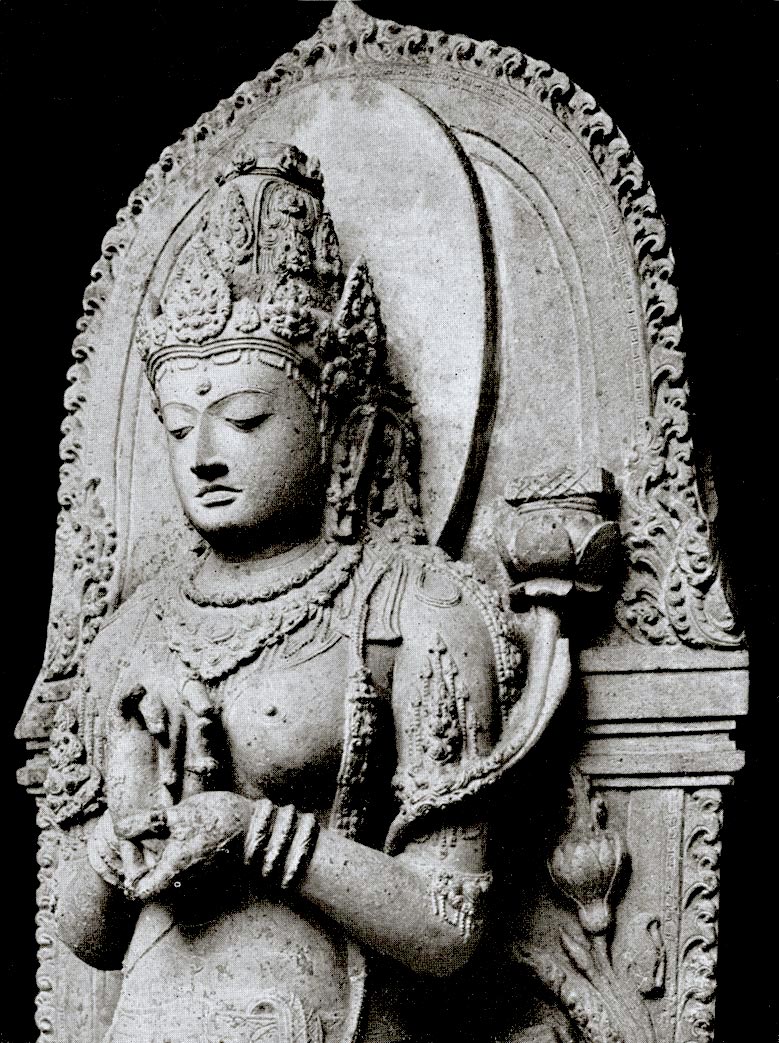
Archaeological finds show red pigment on Indus Valley figurines, suggesting ancient roots. The term originates from Sanskrit words for point or drop. Hindu kingdoms influenced Southeast Asian cultures, spreading the practice to Indonesia. Over time, the style evolved from painted paste to lac spangles and finally to disposable adhesive stickers. Regional styles developed distinct shapes like crescent moons in Maharashtra.
What it means
In Hinduism, Buddhism, and Jainism, the mark represents the Ajna chakra or third eye. This area is linked to concealed wisdom and concentration. Red colour symbolises honour, love, and prosperity after marriage. Widows traditionally do not wear it, while married women apply sindoor in their hair parting. The dot signifies the unity of creation and helps focus the mind during meditation.
Styling and care
Traditional application uses a ring finger to place vermilion powder. A wax base helps the dot stay in place. Modern users often choose pre-made felt or metal stickers. Colours vary by occasion, such as white for mourning or bright hues for festivals. Some women use iodine patches for health reasons. Decorative styles ignore religious rules, focusing purely on aesthetic appeal.
In culture
International celebrities have worn the mark, sparking debates about cultural appropriation versus appreciation. Musicians like Lil Uzi Vert have popularised jewelled versions. In Pakistan, Sindhi women maintain historic black dot traditions. Bengali brides wear specific ethnic marks called teeps. The style remains a staple symbol of female identity across the Indian diaspora.


Questions people ask about Bindi
What does the bindi represent spiritually?
It marks the Ajna chakra, the centre of intuition and concentration. Hindus believe it retains energy and strengthens focus. The position corresponds to the third eye, representing inner sight and spiritual awakening beyond physical vision.
Can anyone wear a bindi regardless of religion?
While rooted in Hindu, Jain, and Buddhist traditions, modern usage includes non-religious fashion choices. However, some communities view it as culturally significant. Wearing it without understanding its origins can cause controversy regarding respect and appropriation.
How is a traditional bindi applied?
Historically, women used a ring finger to apply kumkum or vermilion powder. A sticky wax paste helped the dot adhere. Today, self-adhesive stickers made of felt or metal are common. These provide an easy, disposable alternative to manual application methods.
Are there different regional styles?
Yes, styles vary significantly. Maharashtra features crescent moon shapes. Bengal uses large round red dots. Southern India often pairs red dots with white tilaks. Rajasthan prefers simple round marks. Each region has unique historical preferences for shape and size.
Good reading and sources
- Couples Fuel India's Vibrant Art Scene (Published 2011)The New York Times, Article
- বাঙালি নারীদের মধ্যে টিপ পরার প্রচলন শুরু হলো যেভাবেBBC, Article
- BBC NEWS | South AsiaBBC, Article
The facts on this page come from the Wikipedia article "Bindi", written by its contributors and used under the CC BY-SA 4.0 licence, and from its Wikidata record (CC0). EveryFaceShape rewrote the text in its own words, with AI assistance, and compares every page with the article to make sure no passage is copied. It may be reused under the same CC BY-SA 4.0 licence with a link back.
It may contain mistakes, and figures change over time. Nothing here is investment or buying advice. If something is wrong, tell us. Last refreshed 2026-11-15.
Like Bindi
All adornment 🇮🇳 IndiaKumkum
Red forehead powder used for religious and social markings in India.Adornment · Most faces
 🇮🇳 India and 1 moreSindoor
A vermilion powder worn by married Hindu women to mark marital status.Makeup
 🇮🇳 IndiaTilaka
A traditional Hindu forehead mark applied with paste or ash to signify faith and spiritual identity.Adornment
 🇲🇽 MexicoCalavera
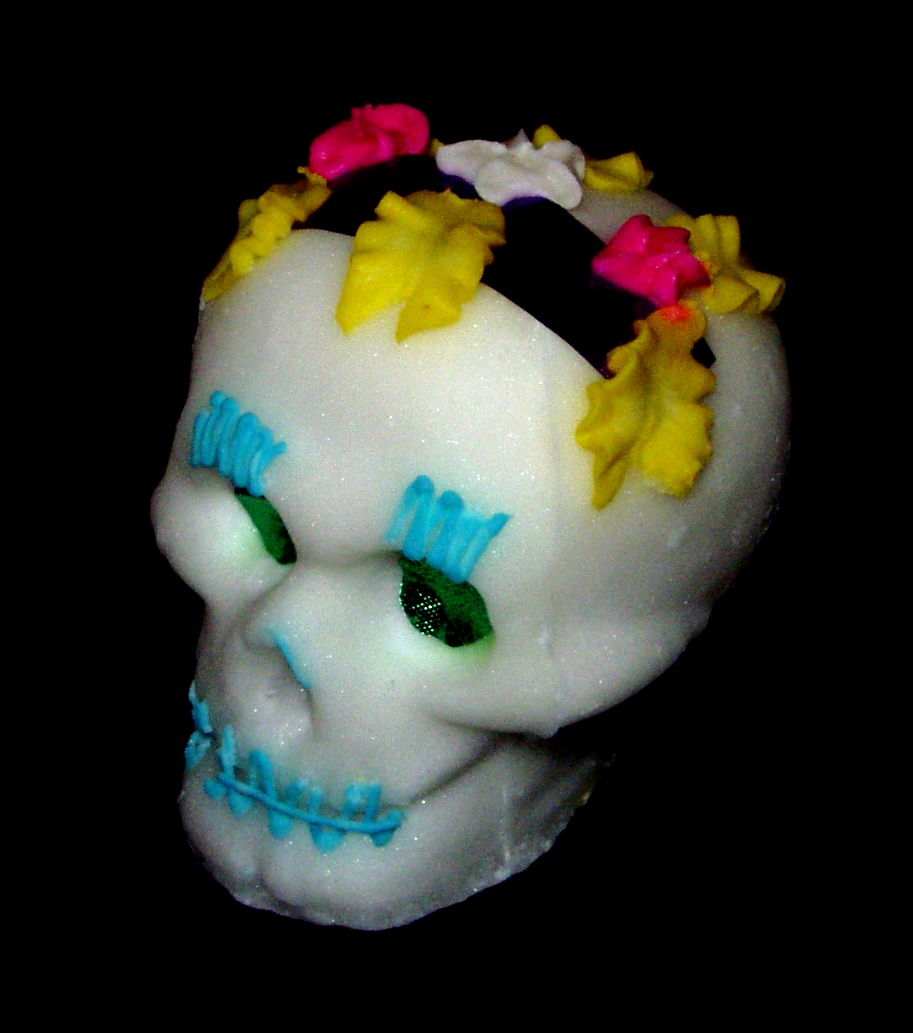
Decorative or edible skulls made for the Mexican Day of the Dead.Adornment