
Sindoor
A vermilion powder worn by married Hindu women to mark marital status.
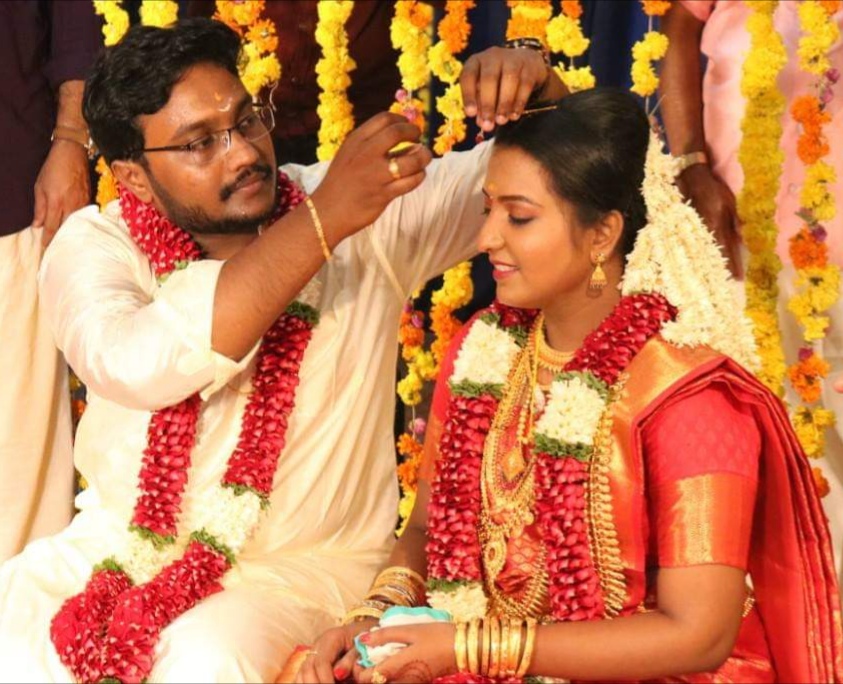
Sindoor is a traditional red cosmetic powder from South Asia applied along the hair parting. It serves as a visual marker of marriage in Hindu communities and holds deep cultural and religious significance.
- Applied along the hair parting to signal married status.
- First major mention in Puranic texts circa 5th-10th century CE.
- Traditional recipe uses turmeric and lime for safe colour.
- Modern versions may contain toxic lead or mercury compounds.
- Removed by widows as part of mourning rituals.
What it is
Sindoor is a bright red or orange-red cosmetic powder used primarily in South Asia. It is traditionally applied by married women along the central parting of their hair, known as the maang. The colour ranges from vivid vermilion to deeper maroon shades. This application serves as a clear visual indicator of a woman's marital status within Hindu communities. Single women typically wear bindis on their foreheads instead, while widows cease wearing sindoor entirely. The powder itself can be made from various ingredients, ranging from natural herbal mixtures to synthetic pigments.
History and origin
The practice likely predates written records, with Neolithic figurines showing similar red markings. However, it does not appear in early Vedic scriptures. Its first significant textual mention occurs in Puranic literature around the fifth to tenth centuries CE, linking it to divine feminine power. During the medieval period, the tradition remained strong despite Islamic rule. In the colonial era, British administrators noted it as a key identifier of married Hindu women. By the twentieth century, it became a symbol of indigenous identity during nationalist movements, maintaining its relevance through modern times.
What it means
In Hindu culture, sindoor represents auspiciousness, fertility, and wifely devotion. It is believed to ensure the longevity and well-being of the husband. The application during the wedding ceremony, called sindoor daan, marks the transition from unmarried to married life. Removing the sindoor signifies widowhood and the end of that marital bond. The red colour symbolises life force and vitality. For many women, it is a daily reminder of their commitment and spiritual connection to their spouse and family traditions.
The science
Traditional formulations mixed turmeric with slaked lime or alum, creating a safe red pigment through chemical reaction. Modern commercial versions often use cinnabar (mercury sulfide) or red lead, which pose toxicity risks if ingested or absorbed in large quantities. The U.S. FDA has detected unsafe lead levels in some imported products. Safer alternatives now use plant-based dyes from hibiscus or marigolds. Ayurvedic medicine uses purified rasasindura internally for specific ailments, though this requires strict purification processes to mitigate mercury toxicity.
Styling and care
Married women apply sindoor daily along the middle hair parting. The initial application is performed by the groom during the wedding ritual. Women may fill the entire parting or apply a small spot at the forehead tip. Some modern styles include triangular shapes on the forehead. Widows remove the powder, often assisted by older female relatives, as part of mourning rituals. The substance is available in powder form, sometimes mixed with oils for better adhesion. Fashion-conscious users may pair it with Western attire for subtle traditional expression.
In culture
Sindoor features prominently in Hindu mythology, such as stories of Sita applying it for Ram's safety. Draupadi wiping off her sindoor in the Mahabharata highlights its emotional weight. Jain nuns are forbidden from wearing it, distinguishing their ascetic path. The practice persists across urban and rural India, with over seventy percent of married women in traditional families observing it. Diaspora communities maintain the custom at cultural events, though adherence varies. It remains a powerful symbol of identity, faith, and social status in contemporary South Asian society.



Questions people ask about Sindoor
What does sindoor signify?
It is a vermilion powder worn by married Hindu women along their hair parting. It visually marks marital status and symbolises auspiciousness, fertility, and devotion to the husband's longevity.
How is it applied?
Traditionally, the groom applies it during the wedding ceremony. Thereafter, women apply it daily along the central hair parting. Styles vary from filling the whole line to a single dot at the forehead tip.
Is sindoor safe?
Traditional herbal mixes of turmeric and lime are non-toxic. However, many modern commercial products use cinnabar or red lead, which contain mercury and lead. These can be harmful if ingested or absorbed heavily.
Who wears it?
Married Hindu women wear it to indicate their status. Single women wear bindis. Widows remove it upon becoming widowed. Jain nuns are generally forbidden from wearing it due to ascetic rules.
Good reading and sources
- Coincidence? Two ‘Sindoor’ Bollywood movies now linked to India’s bold military operation 'Sindoor' against PakistanThe Economic Times, Article
- The Symbolism Behind India’s ‘Operation Sindoor’ (Published 2025)The New York Times, Article
- Operation Sindoor: Weaponising Patriarchy in Nationalist RhetoricThe Hindu, Article
The facts on this page come from the Wikipedia article "Sindoor", written by its contributors and used under the CC BY-SA 4.0 licence, and from its Wikidata record (CC0). EveryFaceShape rewrote the text in its own words, with AI assistance, and compares every page with the article to make sure no passage is copied. It may be reused under the same CC BY-SA 4.0 licence with a link back.
It may contain mistakes, and figures change over time. Nothing here is investment or buying advice. If something is wrong, tell us. Last refreshed 2026-11-15.
Like Sindoor
All makeup and face art 🇮🇳 IndiaKumkum
Red forehead powder used for religious and social markings in India.Adornment · Most faces
 🇮🇳 India and 4 moreBindi
A coloured dot worn on the forehead in South and Southeast Asia.Adornment · Most faces
 🇮🇳 IndiaTilaka
A traditional Hindu forehead mark applied with paste or ash to signify faith and spiritual identity.Adornment
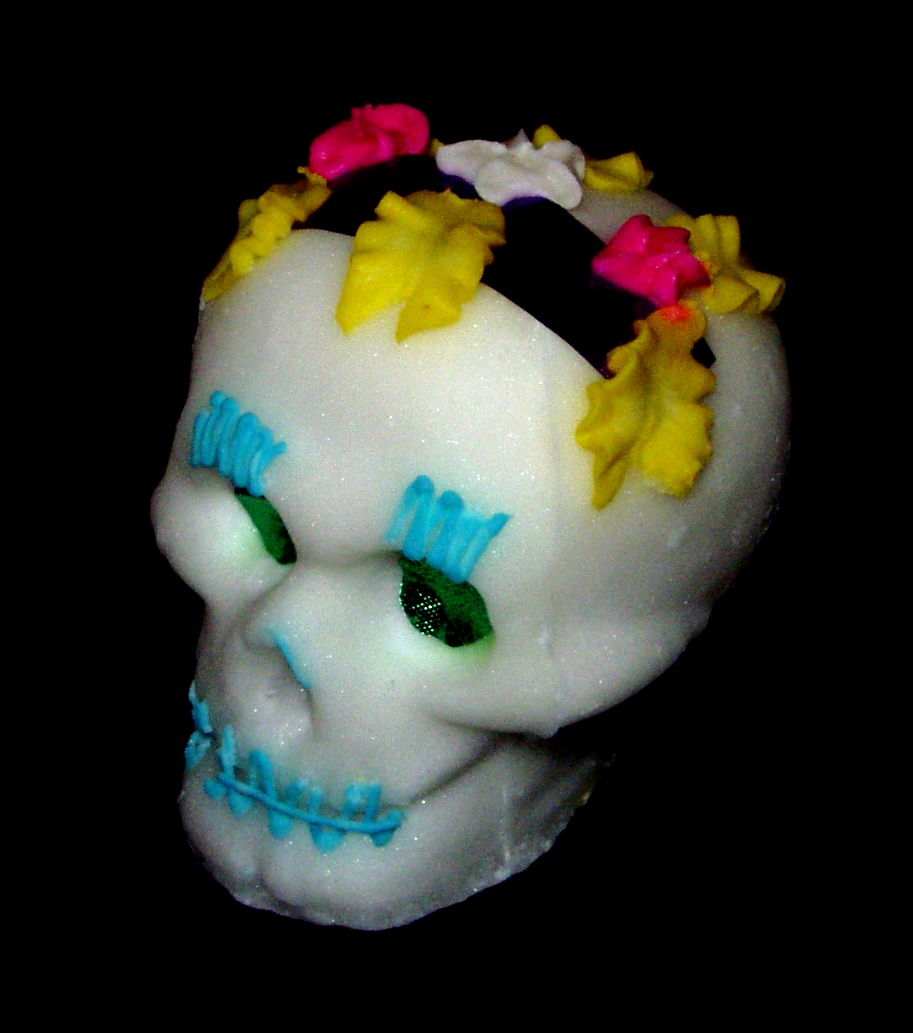 🇲🇽 MexicoCalavera
Decorative or edible skulls made for the Mexican Day of the Dead.Adornment