
Kumkum
Red forehead powder used for religious and social markings in India.
Kumkum is a red powder made from turmeric and slaked lime, used widely in India for religious and social markings. It is applied to the forehead or hair parting by Hindus to signify devotion, marital status, or respect during ceremonies and daily worship.
- Made from turmeric mixed with slaked lime.
- Applied between eyebrows or on hair parting.
- Symbolizes devotion, marriage, or respect.
- Used in Holi festival and goddess worship.
- Known as kuṅkumam, kunku, or kanku regionally.
What it is
Kumkum is a fine red powder used for marking the skin, primarily on the forehead. It is created by drying turmeric and mixing it with a small amount of slaked lime, which changes the yellow spice into a vibrant red hue. People apply it as a dot between the eyebrows, in horizontal or vertical lines, or along the hair parting. The placement often corresponds to specific religious traditions or social signals, such as marital status. It serves as a visible sign of faith, respect, or celebration in Indian culture.
History and origin
The practice originates in India and is deeply rooted in Hindu traditions. Various regional languages have their own names for the substance, including kuṅkumam in Sanskrit and Tamil, and kunku in Marathi. Different sects developed distinct styles of application over time. Shaivites use white lines with a red dot, while Vaishnavas apply vertical white lines with a red streak. These variations reflect long-standing theological interpretations and community identities across the subcontinent.
What it means
In Vaishnava tradition, the marks symbolize the footprint of God and his consort. For Swaminarayan followers, the yellow tilaka represents divine feet, while the red kumkum signifies the devotee. Married women often wear it in their hair parting as a symbol of their union. Offering kumkum to guests is a gesture of respect or blessing. The combination of yellow turmeric and red kumkum is also believed to represent prosperity and the life force.
Styling and care
To apply kumkum, individuals typically dip a thumb or ring finger into a heap of powder found at temples or home shrines. It is placed centrally on the forehead, often between the eyebrows, which is considered a center of intuition. Married women may apply it daily along the hair parting. The style varies by sect: some wear a crescent moon shape, others use vertical or horizontal lines combined with white clay or sandalwood paste.
In culture
Kumkum plays a central role in Hindu festivals like Holi, where colored powders are thrown in celebration. It is essential in worshiping goddesses such as Lakshmi and Shakti. The mark is also part of social etiquette, offered to women visiting homes as a sign of welcome. While primarily associated with married women in some contexts, men, children, and unmarried girls also wear it during temple visits or religious rituals.


Questions people ask about Kumkum
What is kumkum made from?
Kumkum is produced by drying turmeric and adding a small amount of slaked lime. This chemical reaction turns the natural yellow color of the turmeric into a bright red powder suitable for religious and social markings.
Where is kumkum typically applied on the face?
It is most commonly applied to the forehead, specifically at or between the eyebrows. This spot is associated with the sixth chakra or third eye. Married women also apply it along the parting of their hair.
What does the kumkum mark signify in Hindu traditions?
The mark can indicate marital status, religious affiliation, or social respect. In some traditions, it represents the devotee's connection to the divine. It is also offered to guests as a blessing or sign of honor during visits.
Good reading and sources
The facts on this page come from the Wikipedia article "Kumkuma", written by its contributors and used under the CC BY-SA 4.0 licence, and from its Wikidata record (CC0). EveryFaceShape rewrote the text in its own words, with AI assistance, and compares every page with the article to make sure no passage is copied. It may be reused under the same CC BY-SA 4.0 licence with a link back.
It may contain mistakes, and figures change over time. Nothing here is investment or buying advice. If something is wrong, tell us. Last refreshed 2026-11-15.
Like Kumkum
All adornment 🇮🇳 India and 4 moreBindi
A coloured dot worn on the forehead in South and Southeast Asia.Adornment · Most faces
 🇮🇳 India and 1 moreSindoor
A vermilion powder worn by married Hindu women to mark marital status.Makeup
 🇮🇳 IndiaTilaka
A traditional Hindu forehead mark applied with paste or ash to signify faith and spiritual identity.Adornment
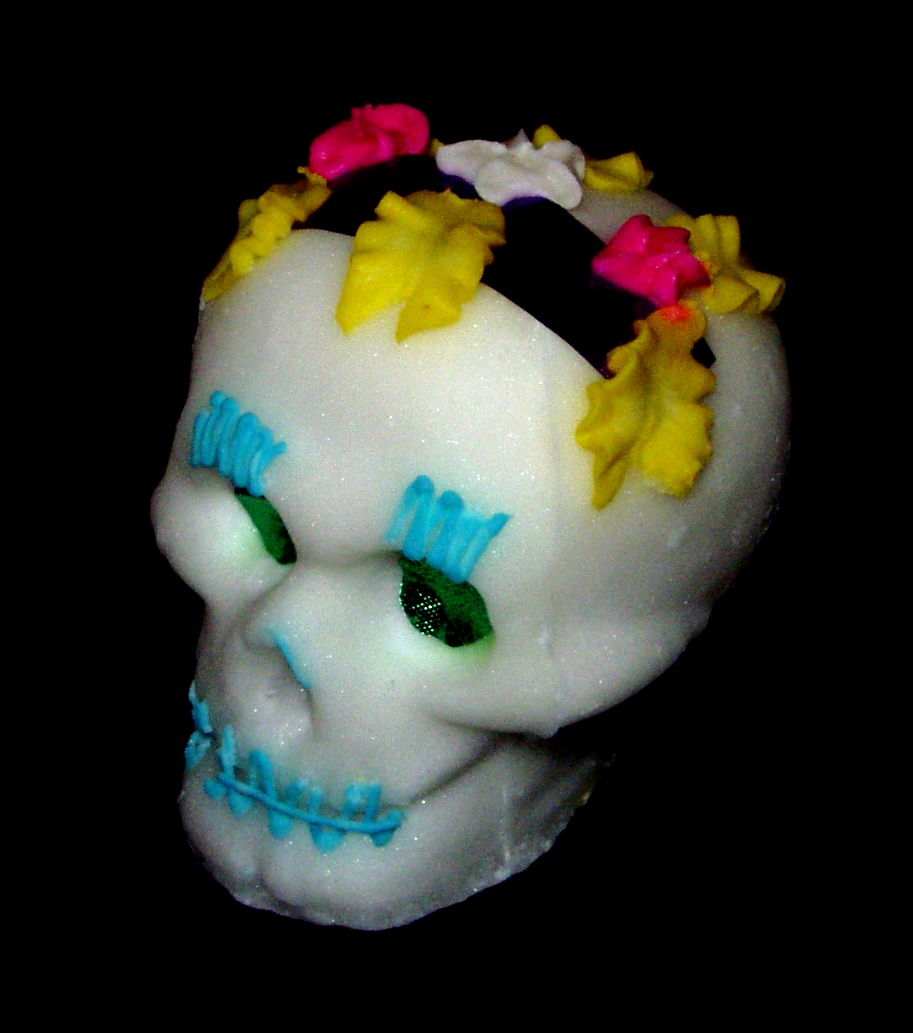 🇲🇽 MexicoCalavera
Decorative or edible skulls made for the Mexican Day of the Dead.Adornment