News
Faces‘Looksmaxxing’ Promises Better Looks—but It Can Put Teen Boys at RiskBeardsAhead of Grey Cup game, Elks explain why coach’s change in facial hair symbolizes commitment to teamFaces'Looksmaxxing' among social media trends raising concerns with school counselors, medical professionalsBeardsZohran Mamdani has the most famous mustache in politics — for nowFacesThis one beauty standard is holding women back - why won't we let it go?Faces‘AI Face’ is Creating Dystopian Beauty StandardsFaces15 Low-Maintenance Medium-Length Haircuts That Are Easy to StyleBeardsWexford rugby team smash €10,000 target in ‘Movember’ days after beard shaveFacesModel Paulina Porizkova asks us to imagine a world where 'older beauty' is admired and respectedEyewearQueen of shades: 5 of the coolest eyewear moments from Blackpink’s JennieFaces‘Looksmaxxing’ Promises Better Looks—but It Can Put Teen Boys at RiskBeardsAhead of Grey Cup game, Elks explain why coach’s change in facial hair symbolizes commitment to teamFaces'Looksmaxxing' among social media trends raising concerns with school counselors, medical professionalsBeardsZohran Mamdani has the most famous mustache in politics — for nowFacesThis one beauty standard is holding women back - why won't we let it go?Faces‘AI Face’ is Creating Dystopian Beauty StandardsFaces15 Low-Maintenance Medium-Length Haircuts That Are Easy to StyleBeardsWexford rugby team smash €10,000 target in ‘Movember’ days after beard shaveFacesModel Paulina Porizkova asks us to imagine a world where 'older beauty' is admired and respectedEyewearQueen of shades: 5 of the coolest eyewear moments from Blackpink’s Jennie
EveryFaceShape

Living tradition, Mexico

Mexico City

The capital of Día de los Muertos, where faces are painted as calaveras and La Catrina for the Day of the Dead.

In Mexico City, as across Mexico, the Day of the Dead on 1 and 2 November honours family members who have died, with altars, marigolds, food and visits to graves. Painting the face as a calavera, a decorated skull, has become one of its most visible customs, alongside dressing as La Catrina. UNESCO listed the festival's indigenous traditions in 2008.

La Catrina

La Catrina began as an etching of a skeleton in a fancy hat by the printmaker José Guadalupe Posada in the early 1910s, mocking Mexicans who copied European fashions. The painter Diego Rivera gave her the name and a full figure in his 1947 mural "Dream of a Sunday Afternoon in the Alameda Central". Today women and men paint white skull faces with flowers, dark eye hollows and stitched lips to dress as her.

Parades and altars

Mexico City has held a large Day of the Dead parade since 2016, after one was staged for the 2015 James Bond film Spectre, and face painters work along the route. Families build ofrendas, altars with photographs, candles, sugar skulls and the dead's favourite foods. Face paint is a celebration of memory, and many visitors ask families or performers before taking photographs.

Guides of Mexico City
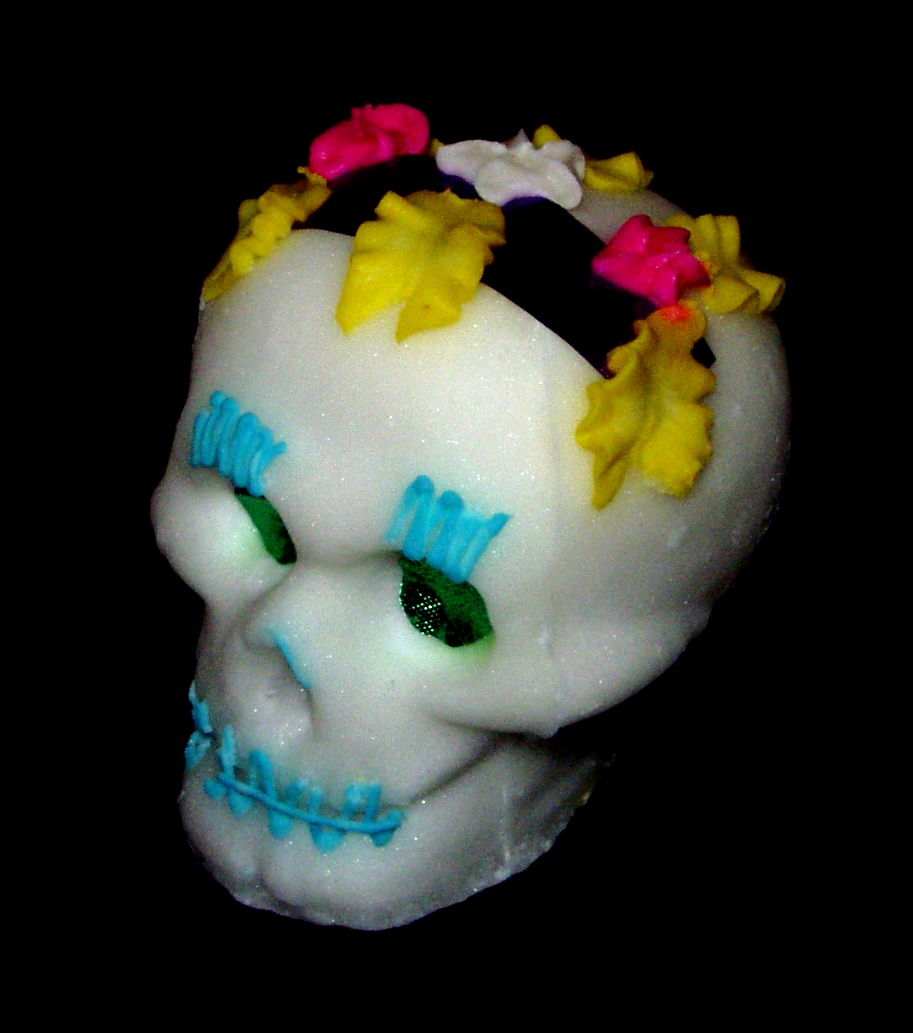
Still to be written: La Calavera Catrina.

Photo credits on this page

The small pictures above come from Wikimedia Commons under free licences. Some are cropped to fit.

The weekly digest

Every Monday: the face guide of the day, new pages on EveryFaceShape, and the conferences and anniversaries of the week ahead.