Faith and identity
Marks and styles of religion, caste, clan and community, by tradition. 53 face guides on EveryFaceShape so far.
Many face marks and styles belong to faith, caste, clan and community: the Hindu tilak and tripundra, the bindi and sindoor, the unshorn Sikh beard, the beards of Muslim, Jewish, Amish and Orthodox Christian men, the payot sidelocks of Orthodox Jews, and the tā moko of the Māori, which records genealogy. EveryFaceShape describes each as tradition, with respect, as the communities explain them.
Marks of devotion
Hindu forehead marks often show which tradition a worshipper follows: two vertical lines of clay, the urdhva pundra, for Vaishnavas; three lines of ash, the tripundra, for Shaivas; a red dot or line of kumkum for Shaktas. Many are applied after worship at temples such as Kashi Vishwanath in Varanasi or in the temples of Vrindavan. Practice varies by family and region.
Faith and facial hair
For initiated Sikhs, kesh, uncut hair including the beard, is one of the five articles of faith. Many Muslim men grow a beard following the example of the Prophet Muhammad. Orthodox Jewish men may keep beards and payot, sidelocks. Married Amish men grow beards without moustaches. Armies in several countries have changed rules so people of faith can serve with beards.
Famous faith and identity face guides


Further reading
 🇮🇳 India and 4 moreBindi
A coloured dot worn on the forehead in South and Southeast Asia.Adornment · Most faces
 🇯🇵 JapanOhaguro
A Japanese tradition of blackening teeth with iron and tannins.Makeup · 1000
 🇮🇳 IndiaTilaka
A traditional Hindu forehead mark applied with paste or ash to signify faith and spiritual identity.Adornment
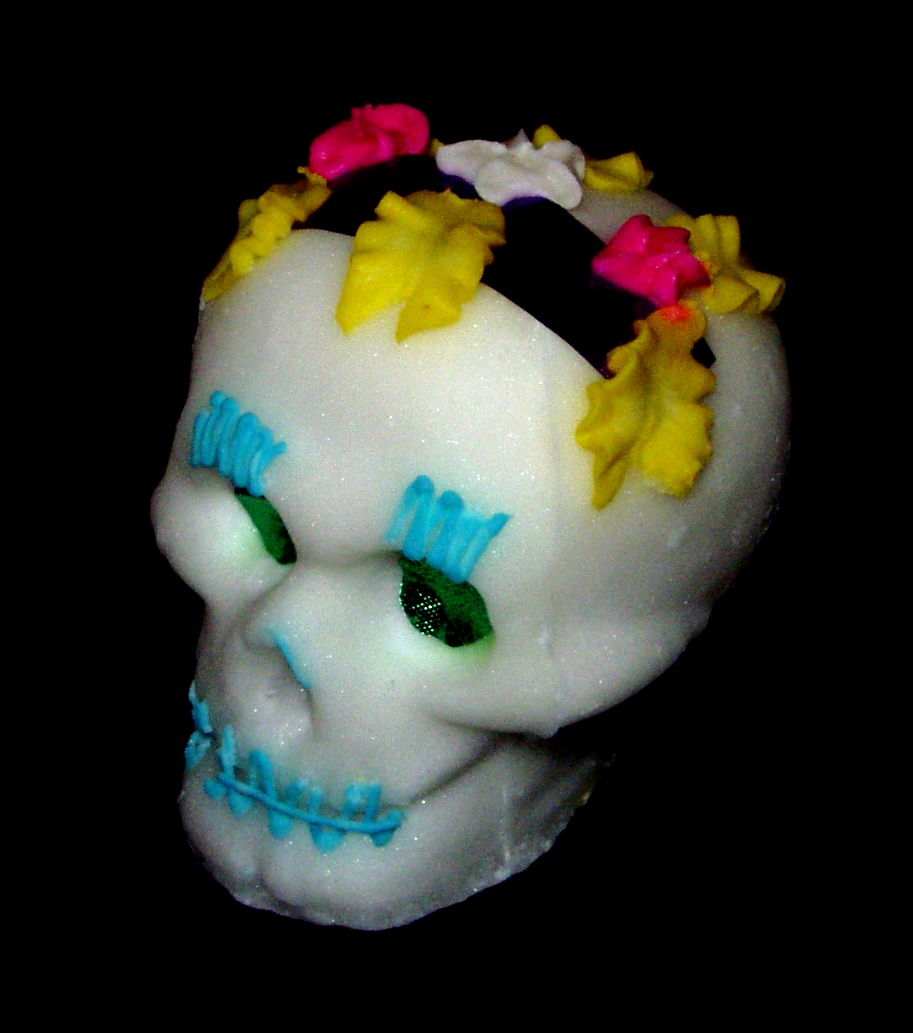 🇲🇽 MexicoCalavera
Decorative or edible skulls made for the Mexican Day of the Dead.Adornment
 🇯🇵 Japan and 4 moreTeeth blackening
A traditional custom of dyeing teeth black to signify adulthood and beauty.Makeup
🇲🇽 MexicoDía de los Muertos face paint
Skull-style makeup worn during Mexican Day of the Dead celebrations to honour ancestors.Makeup · Most faces · 1913
Photo credits on this page
The small pictures above come from Wikimedia Commons under free licences. Some are cropped to fit.
- Bindi: Vinay Sahay, CC BY-SA 4.0, source
- Ohaguro: Utagawa Kunisada, Public domain, source
- Tā moko: Gottfried Lindauer, Public domain, source
- Vibhuti: Vinoth Chandar, CC BY 2.0, source
- Tilaka: Robert Vane Russell (1873-1915), Public domain, source
- Kesh: Carl W. Damman, Public domain, source
- Calavera: Unknown author, CC BY-SA 3.0, source
- Teeth blackening: momo, CC BY 2.0, source
- Urdhva Pundra: Abhisek Sarda, CC BY 2.0, source
- Tripundra: Vivek Kondur, CC BY 2.0, source
- Payot: Mark Neyman, CC BY-SA 3.0, source