
Payot
Sidelocks worn by Orthodox Jewish men as a religious observance.
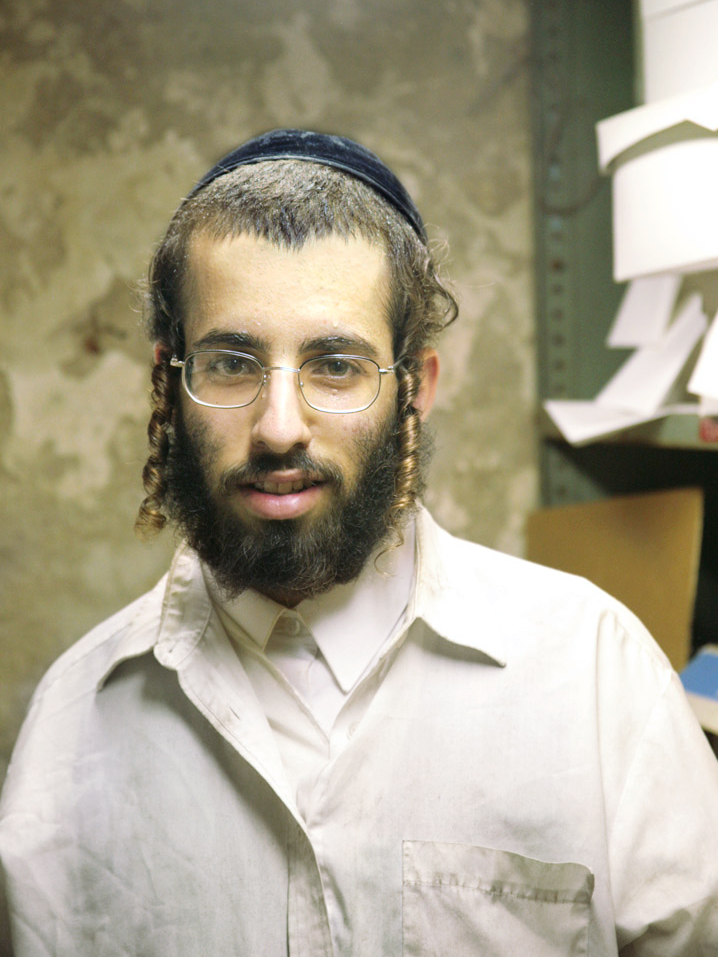
Payot are sidelocks grown by some male Jews based on a biblical commandment in Leviticus. The style varies significantly across different communities, from long curled locks to subtle strands kept behind the ear.
- Based on Leviticus 19:27 prohibition against shaving head corners.
- Yemenite Jews call them simanim, meaning signs.
- Russian Empire banned the practice in 1845.
- Styles range from long curls to hidden strands.
- Maimonides linked shaving them to heathen practices.
What it is
Payot refers to the sidelocks or sideburns that some Jewish men choose to grow. These strands of hair appear along the sides of the head, typically starting in front of the ears and extending toward the cheekbone. The term comes from Hebrew, meaning 'corner' or 'edge.' While they resemble standard sideburns, their length, curl, and maintenance differ greatly depending on the wearer's community. Some styles involve thick, untrimmed curls, while others consist of small, tucked strands hidden beneath hats.
History and origin
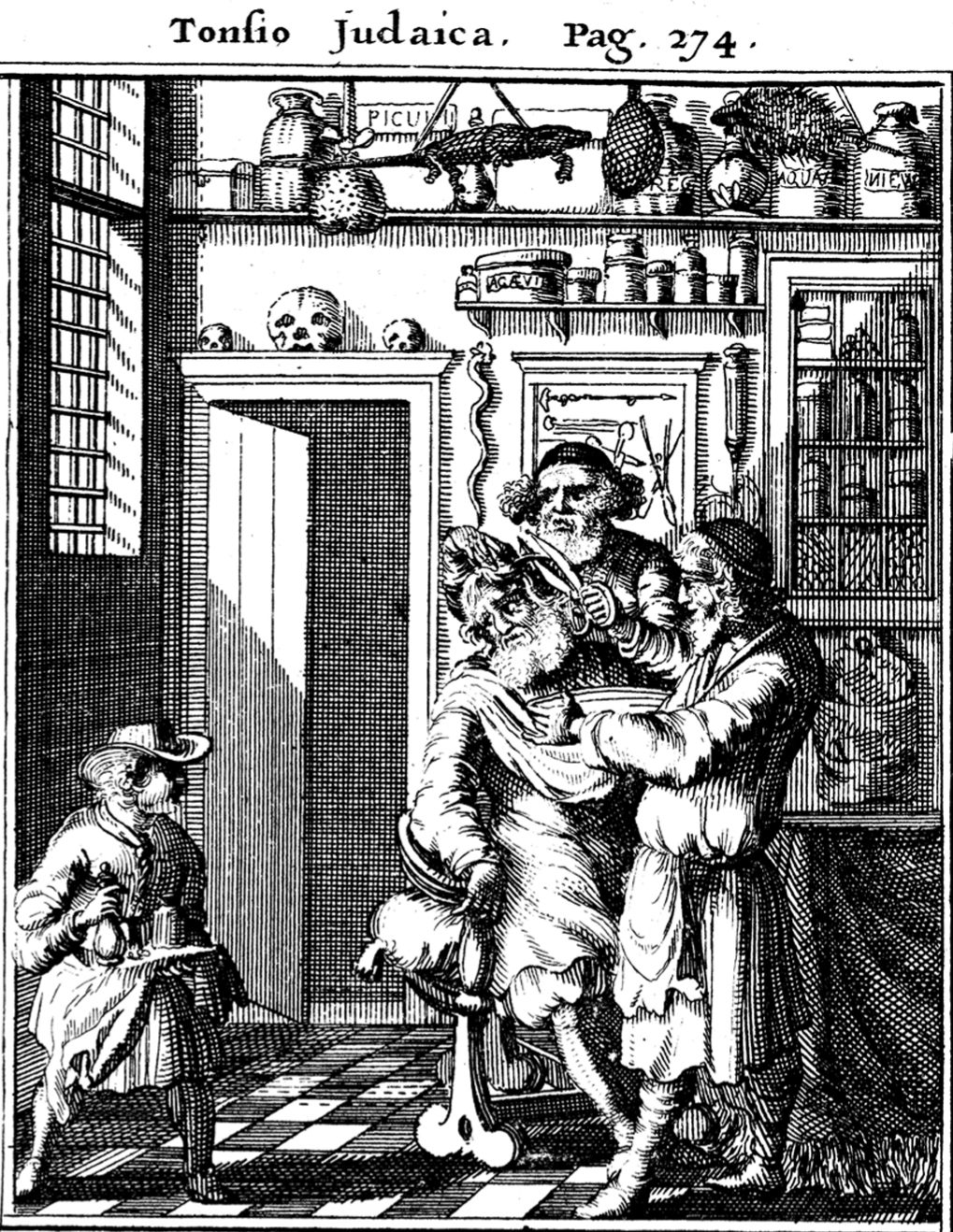
The practice originates from an interpretation of Leviticus 19:27, which forbids shaving the 'corners' of the head. Maimonides noted this was originally distinguished from heathen rituals. As Kabbalistic teachings spread into Slavonic regions, the custom became more widespread there. In 1845, the Russian Empire banned the practice. Different groups developed distinct variations over centuries, with Yemenite Jews calling them 'signs' to differentiate themselves from neighbors.
What it means
For adherents of Orthodox Judaism, wearing payot is a direct observance of biblical law. It serves as a visible marker of faith and identity within the community. In Yemenite society, these distinctive curls act as cultural signs separating Jewish residents from Gentile populations. The style reinforces communal belonging and adherence to traditional interpretations of scripture regarding personal grooming and religious boundaries.
Styling and care
Maintenance varies widely. Hasidic groups like Satmar wear thick sidelocks, often tucked behind ears. Belz Hasidim wrap hair around ears multiple times without cutting. Skver Hasidim twist locks into tight coils. Lithuanian Jews may cut most hair but leave small bunches behind the ear. Chabad-Lubavitch members keep minimal hair around the ear that can be plucked. Yemenite Jews maintain long, thin twisted locks reaching the upper arm.
In culture
Payot are prominent in images of Hasidic and Haredi Jewish life. They appear in historical contexts across Europe, including Russia where they were once banned. The style distinguishes various subgroups, such as Crimean Karaites who do not wear them versus Krymchaks who do. Young boys in some communities grow them until bar mitzvah. The tradition remains a key visual element of Orthodox Jewish identity globally.


Questions people ask about Payot
What does the word payot mean?
The Hebrew word pe'a means corner, side, or edge. It refers to the specific area of hair along the sides of the head that is traditionally left unshaved according to biblical interpretation.
Why do some Jewish men wear sidelocks?
They follow an interpretation of Leviticus 19:27, which commands against shaving the corners of the head. This practice distinguishes them from other groups and marks their religious commitment.
How do Yemenite payot differ from others?
Yemenite Jews, known as Teimani, often wear long, thin, twisted locks reaching the upper arm. They call them simanim, or signs, to distinguish themselves from non-Jewish neighbors in their society.
Do all Orthodox Jews wear payot?
No. Styles vary significantly. Some Haredi men trim them or tuck them behind ears. Chabad-Lubavitch members keep minimal hair. Lithuanian Jews may only leave small bunches uncut behind the ear.
Good reading and sources
The facts on this page come from the Wikipedia article "Payot", written by its contributors and used under the CC BY-SA 4.0 licence, and from its Wikidata record (CC0). EveryFaceShape rewrote the text in its own words, with AI assistance, and compares every page with the article to make sure no passage is copied. It may be reused under the same CC BY-SA 4.0 licence with a link back.
It may contain mistakes, and figures change over time. Nothing here is investment or buying advice. If something is wrong, tell us. Last refreshed 2026-11-15.
Like Payot
All beards 🇳🇿 New ZealandTā moko
Traditional permanent facial and body markings of the Māori people of New Zealand.Marking
 🇲🇲 MyanmarTattooing in Myanmar
Traditional body art of Myanmar's ethnic groups, marking strength and identity.Marking
 WorldFace tattoo
Ink designs on the face or head from traditional customsMarking
 🇳🇬 Nigeria and 2 moreYoruba tribal marks
Scarification patterns used by the Yoruba people for identity and beauty.Marking