
Tattooing in Myanmar
Traditional body art of Myanmar's ethnic groups, marking strength and identity.
A widespread custom among the Bamar, Shan, Chin, and Karen until the twentieth century. It served as a cultural marker of courage for fighters and a rite of passage for men and women.
- Men received tattoos from waist to knees with black pigment.
- Chin women wore blue facial lines to discourage kidnapping.
- Pigments included red mercury sulphide and lamp soot.
- Process lasted up to twenty-four hours for full legs.
- Banned in the 1960s by the socialist regime.
What it is
This tradition involves intricate designs applied to the skin using traditional pigments like mercury sulphide and soot. Men typically received tattoos from the waist to the knees, featuring arabesques and animals. Women of the Chin group wore blue lines on their faces. These marks were created with metal tools and caused significant pain, often requiring opium for relief.
History and origin
The practice originated among the Pyu people and spread to the Bamar, Shan, and Karen. It declined under colonial rule but resurged in the 1930s among rebels seeking protection. The Chin facial tattooing was banned in the 1960s. Today, it is considered a dying art, though youth interest has grown recently.
What it means
Marks signified strength, courage, and masculine identity. For Lethwei fighters, leg tattoos displayed renown and bravery. Facial tattoos for Chin women were intended to deter kidnapping. The painful process served as a rite of passage into adulthood for both genders.
Styling and care
Artists used a two-pronged brass instrument to pierce the skin over several days. Men were tattooed after monkhood ordination. Women received facial marks between ages fifteen and twenty. The process could last up to twenty-four hours for full leg coverage.
In culture
The Htoe Kwin is central to Lethwei fighting culture. Fighters expose these leg tattoos during war to show status. Dave Leduc notes that enduring pain without showing emotion is key. The art reflects deep roots in Myanmar's history and warrior traditions.

Questions people ask about Tattooing in Myanmar
What do Htoe Kwin tattoos represent?
They mark masculine strength and bravery in Lethwei fighting culture. Fighters display them to show renown. The tattoos serve as a rite of passage into manhood through pain endurance.
Why did Chin women get facial tattoos?
The blue lines were meant to discourage invaders from kidnapping them. This practice occurred between ages fifteen and twenty. It disappeared after being banned in the 1960s.
How were traditional pigments made?
Black ink used soot mixed with fish gallbladder powder and bitter melon leaves. Red came from diluted mercury sulphide. Green tinges used Senna siamea leaves on pierced skin.
Good reading and sources
- Tattooing in Myanmar on WikipediaEncyclopedia
- More photos on Wikimedia CommonsPhotos
- Wikidata recordOpen data
The facts on this page come from the Wikipedia article "Tattooing in Myanmar", written by its contributors and used under the CC BY-SA 4.0 licence, and from its Wikidata record (CC0). EveryFaceShape rewrote the text in its own words, with AI assistance, and compares every page with the article to make sure no passage is copied. It may be reused under the same CC BY-SA 4.0 licence with a link back.
It may contain mistakes, and figures change over time. Nothing here is investment or buying advice. If something is wrong, tell us. Last refreshed 2026-11-15.
Like Tattooing in Myanmar
All face tattoos and markings 🇳🇬 Nigeria and 2 moreYoruba tribal marks
Scarification patterns used by the Yoruba people for identity and beauty.Marking
 🇳🇿 New ZealandTā moko
Traditional permanent facial and body markings of the Māori people of New Zealand.Marking
 WorldFace tattoo
Ink designs on the face or head from traditional customsMarking
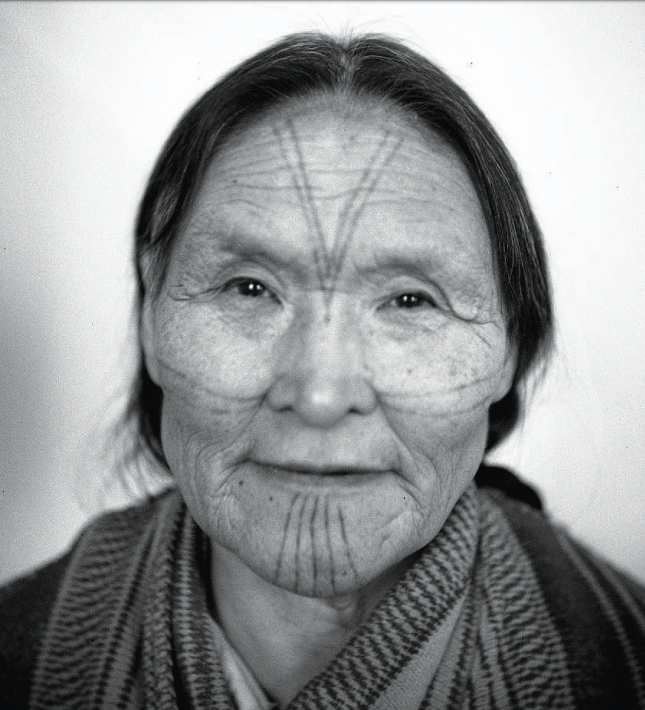 🇨🇦 CanadaKakiniit
Traditional facial and body tattoos of Inuit women in the North American Arctic.Marking