Kakiniit
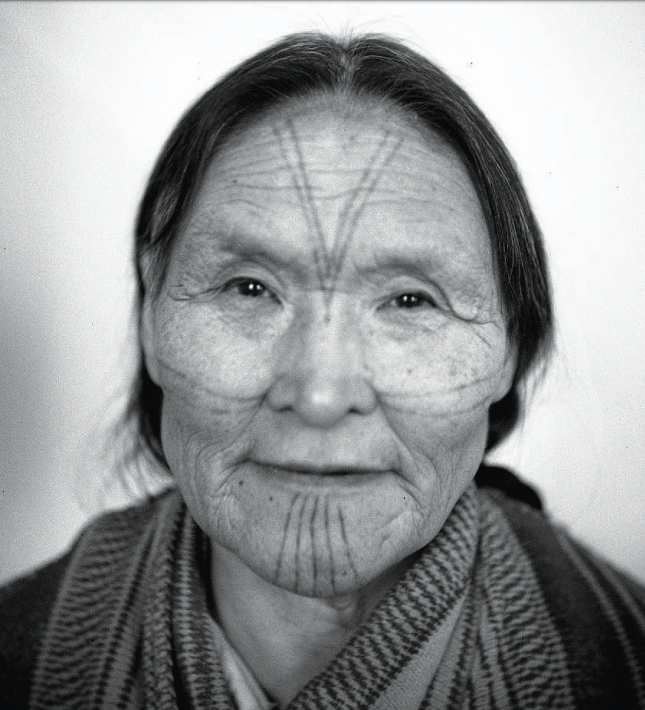
Traditional facial and body tattoos of Inuit women in the North American Arctic.
Kakiniit are traditional tattoos worn by Inuit women to mark womanhood and cultural identity. The practice faced suppression by missionaries but has recently been revived through dedicated revitalization projects.
- Facial tattoos called tunniit marked a woman's transition to adulthood.
- Missionaries banned the practice in the early twentieth century.
- Designs included lines, dots, and shapes with specific symbolic meanings.
- Revival projects started in Canada and Greenland in the 2010s.
- Politician Mumilaaq Qaqqaq wore traditional facial tattoos while in office.
What it is
Kakiniit refers to the traditional tattoos of Inuit people, specifically those applied to women. Facial markings are called tunniit. Designs include lines, dots, and geometric shapes. These marks appear on the chin, forehead, arms, and hands. The patterns hold specific meanings for the wearer. They signify life stages such as menstruation or childbirth. The practice is deeply tied to Inuit identity and heritage.
History and origin
The tradition remained stable for millennia before colonization. Missionaries banned the practice in the early twentieth century. They viewed it as shamanistic and evil. This led to the practice going underground. Modern efforts have worked to bring it back. Organizations now lead revitalization programs. These groups aim to preserve the cultural significance of the marks.
What it means
Tattoos marked the transition to womanhood. Women could not marry without facial tattoos. The marks indicated learned essential skills. They also ensured access to the afterlife. Without them, tradition said women faced hardship. Specific designs referenced tools or legends. Some marks commemorated significant life events. Today, they serve as a source of pride.
Styling and care
Traditionally, older women performed the tattooing. They used sinew thread soaked in lampblack and seal suet. A bone or steel needle poked the skin under tension. Modern methods often use machines with ink. Both techniques are currently employed. The process was strictly a female practice. Men received fewer and less extensive marks.
In culture
Films like Tunniit have documented the history. Many public figures wear the tattoos openly. Politicians and artists display them to show heritage. The practice appears in Inuit storytelling about Sedna. It connects wearers to ancestral traditions. The revival highlights resilience against past suppression.


Questions people ask about Kakiniit
What do kakiniit tattoos look like?
They consist of lines, dots, zig-zags, and shapes. Markings appear on the chin, forehead, arms, and hands. Each pattern holds unique symbolic meaning for the wearer.
Why were these tattoos important historically?
They marked the transition to womanhood. Women needed them to marry. They also ensured safe passage to the afterlife according to tradition.
Who performs the tattooing?
Historically, only women tattooed other women. Older women with embroidery experience typically performed the task. Men received far fewer and less extensive marks.
How did the practice survive missionary bans?
It went underground during the twentieth century. Recent decades have seen organized revitalization efforts to reclaim and teach the tradition again.
Good reading and sources
The facts on this page come from the Wikipedia article "Kakiniit", written by its contributors and used under the CC BY-SA 4.0 licence, and from its Wikidata record (CC0). EveryFaceShape rewrote the text in its own words, with AI assistance, and compares every page with the article to make sure no passage is copied. It may be reused under the same CC BY-SA 4.0 licence with a link back.
It may contain mistakes, and figures change over time. Nothing here is investment or buying advice. If something is wrong, tell us. Last refreshed 2026-11-15.
Like Kakiniit
All face tattoos and markings 🇲🇲 MyanmarTattooing in Myanmar
Traditional body art of Myanmar's ethnic groups, marking strength and identity.Marking
 WorldFace tattoo
Ink designs on the face or head from traditional customsMarking
 🇳🇿 New ZealandTā moko
Traditional permanent facial and body markings of the Māori people of New Zealand.Marking
 🇳🇬 Nigeria and 2 moreYoruba tribal marks
Scarification patterns used by the Yoruba people for identity and beauty.Marking