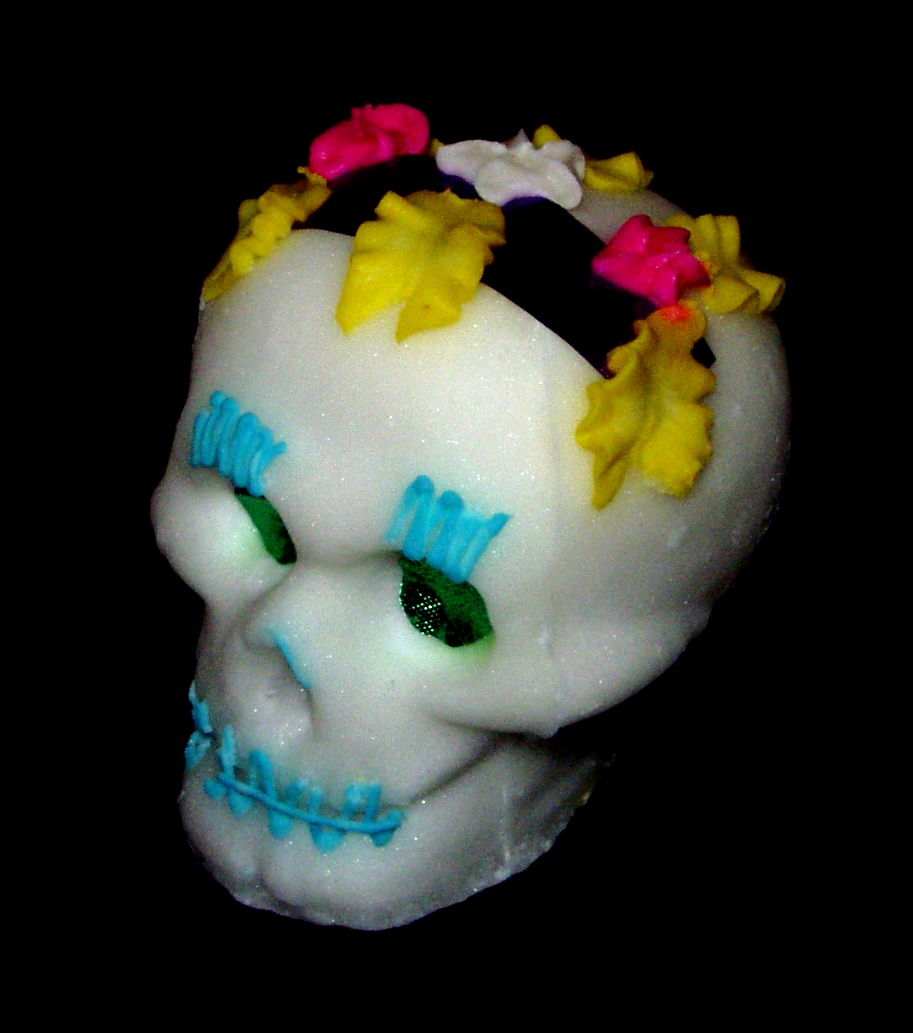
Día de los Muertos face paint
Skull-style makeup worn during Mexican Day of the Dead celebrations to honour ancestors.
This style mimics skeletal features using black and white pigments and floral accents. It draws inspiration from José Guadalupe Posada’s La Calavera Catrina print and Aztec symbolism regarding death as a natural transition.
- Posada created the original Catrina print in 1913 as political satire.
- Diego Rivera made the figure famous in his 1947 mural.
- Marigolds are used to guide souls of the dead back home.
- Pink represents happiness while purple signifies mourning.
- The style celebrates death as a natural part of life.
What it is
This makeup transforms the face into a calavera, or skull. Artists use black and white pigments to create hollow eye sockets and a grinning jaw. The look often includes colourful details like marigold petals or painted flowers. It reflects the aesthetic of sugar skulls and the famous La Calavera Catrina character. The style is not intended to be frightening but rather celebratory.
History and origin
The imagery began in 1913 with printmaker José Guadalupe Posada. He created La Calavera Catrina to mock wealthy Mexicans who adopted European fashion. Diego Rivera later featured the figure in his 1947 mural, cementing its place in national culture. The tradition merges pre-Columbian Aztec views on death with Spanish Catholic customs.
What it means
The makeup honours deceased loved ones and acknowledges the equality of all people before death. Aztec beliefs viewed skulls as symbols of rebirth and higher consciousness. Colours carry specific meanings: pink for happiness, purple for grief, red for life, and yellow for unity. The practice rejects fear of mortality in favour of remembrance.
Styling and care
Practitioners typically apply water-based theatrical makeup for better setting than Halloween store products. Designs often feature five main colours representing different emotions. Some wear half-skull styles if symmetry is difficult. Marigold flowers are frequently added to guide spirits back to families.
In culture
La Calavera Catrina appears in major art and parades. Diego Rivera placed her centrally in his Alameda Central Park mural alongside historical figures. The style is now a global symbol of Mexican identity and Day of the Dead festivities, appearing in media and tourism campaigns.
Questions people ask about Día de los Muertos face paint
What is the origin of this face paint?
It stems from José Guadalupe Posada’s 1913 satirical prints mocking elites. Diego Rivera later popularized the image in his 1947 mural. The style combines these artistic roots with Aztec symbolism regarding death and rebirth.
Is it meant to be scary?
No, the makeup is not designed to frighten. It serves to celebrate the lives of those who have passed. The skeletal appearance is a respectful nod to mortality rather than a horror element.
What colours should I use?
Traditional palettes include pink for happiness, purple for grief, red for blood and life, white for spirit, and yellow for unity. These colours reflect cultural values associated with the celebration.
What type of makeup works best?
Water-based theatrical makeup is recommended. Greasepaint from costume stores tends to be gooey and does not set well. Proper application helps achieve the intricate skull designs safely.
Good reading and sources
There is no English Wikipedia article on Día de los Muertos face paint yet, so the facts on this page come from the sources listed above: eyeondesign.aiga.org/the-most-recognizable-symbol-of-dia-de-muertos-st, hiplatina.com/dia-de-los-muertos-6-things-you-should-know-before-paint, texasstandard.org/stories/watch-a-make-up-artist-create-the-elegant-sk. Some are the subject's own pages, so its claims about itself are reported as its claims. EveryFaceShape wrote the text in its own words, with AI assistance, and compares it with the sources to make sure no passage is copied.
It may contain mistakes, and figures change over time. Nothing here is investment or buying advice. If something is wrong, tell us. Last refreshed 2026-11-15.
Like Día de los Muertos face paint
All makeup and face art 🇯🇵 Japan and 4 moreTeeth blackening
A traditional custom of dyeing teeth black to signify adulthood and beauty.Makeup
 🇯🇵 JapanHikimayu
A pre-modern Japanese practice of removing natural eyebrows and painting new ones on the forehead.Makeup
🇺🇸 United StatesSeminole face paint
Traditional Seminole facial markings for ceremony and war.Makeup · Most faces
 🇺🇸 United States and 1 moreEye shadow
Cosmetic pigment applied to eyelids to define and accentuate the eyes.Makeup · Most faces · 1910