
Eye shadow
Cosmetic pigment applied to eyelids to define and accentuate the eyes.
Eye shadow is a cosmetic product applied to eyelids to add depth, dimension, and colour. It has been used since ancient Egypt and became a commercial staple in the early twentieth century through brands like Elizabeth Arden.
- Earliest evidence dates to predynastic Egypt c. 5000 BCE.
- Elizabeth Arden introduced commercial eye shadow in 1914.
- Contains fillers like mica and binders like zinc.
- Used by both men and women in ancient cultures.
- Removed easily with water, soap, or baby oil.
What it is
Eye shadow is a cosmetic substance applied primarily to the eyelids. Its purpose is to draw attention to the eyes, making them appear larger or more defined. It can also be used on brow bones or under the eyes. The product mimics natural pigmentation variations found on some eyelids, which may range from glossy to pinkish or silver tones. It comes in many textures, including powder, liquid, pencil, cream, and mousse. The key to effective use is blending the pigment smoothly into the skin.
History and origin
The use of eye cosmetics dates back thousands of years. Archaeological evidence from predynastic Egypt, between 5000 and 4000 BCE, shows traces of green malachite and black galena minerals in burials. These were stored in pots and applied with palettes. In the Victorian era, subtle application was preferred for social respectability. The modern commercial product emerged in the 1910s in the United States. Elizabeth Arden introduced it to her salons after studying Parisian techniques in 1912. By the 1930s, major companies like Max Factor and Helena Rubinstein adopted the term eye shadow.
What it means
Eye shadow serves both aesthetic and cultural functions. In ancient Egypt, it was worn by men and women alike, playing a role in religious practices and daily life. Today, it is a tool for self-expression and enhancement across genders globally. It allows individuals to complement their natural eye colour or create dramatic effects for stage and screen. The trend has shifted from the minimal Victorian style to bold, colourful expressions in the 1920s and 1930s, reflecting changing social norms around beauty.
The science
Formulations typically balance four components: base fillers, binders, slip, and preservatives. Fillers like mica, talc, and kaolin clay provide bulk and texture, making up about thirty percent of powders. Mica adds shine and opacity. Binders, such as zinc or silicone, help the product adhere to the skin. Slip agents like silica ensure smooth application. Preservatives such as tocopherol prevent bacterial growth. These ingredients work together to create a stable, safe product that glides easily and remains vibrant.
In culture
Eye shadow has featured prominently in fashion and film history. The smoky eye trend of the 1920s and the multi-coloured looks of the 1930s influenced global beauty standards. Celebrities and industry leaders like Elizabeth Arden helped normalise its daily use. It remains a staple in theatrical makeup, including traditions like Kathakali or Kabuki, where exaggerated eye definition is crucial for character portrayal. Modern trends include iridescent and duo-chrome finishes, showing its ongoing evolution in popular culture.


Questions people ask about Eye shadow
What is the primary purpose of eye shadow?
It is applied to eyelids to attract attention to the eyes, add depth, and make them appear larger or more attractive. It can also complement natural eye colour.
When did commercial eye shadow become popular?
The earliest commercial products appeared in the 1910s in the United States. Elizabeth Arden introduced it in 1914, and it became widely known by the 1930s.
What are the main ingredients in eye shadow?
It typically contains base fillers like mica or talc, binders such as zinc or silicone, slip agents for smoothness, and preservatives to prevent bacteria.
How is eye shadow best applied?
It is usually applied with fingers, brushes, or sponges. Flat brushes pack on colour, while fluffy tips blend it. Blending well is the most important step.
Good reading and sources
The facts on this page come from the Wikipedia article "Eye shadow", written by its contributors and used under the CC BY-SA 4.0 licence, and from its Wikidata record (CC0). EveryFaceShape rewrote the text in its own words, with AI assistance, and compares every page with the article to make sure no passage is copied. It may be reused under the same CC BY-SA 4.0 licence with a link back.
It may contain mistakes, and figures change over time. Nothing here is investment or buying advice. If something is wrong, tell us. Last refreshed 2026-11-15.
Like Eye shadow
All makeup and face art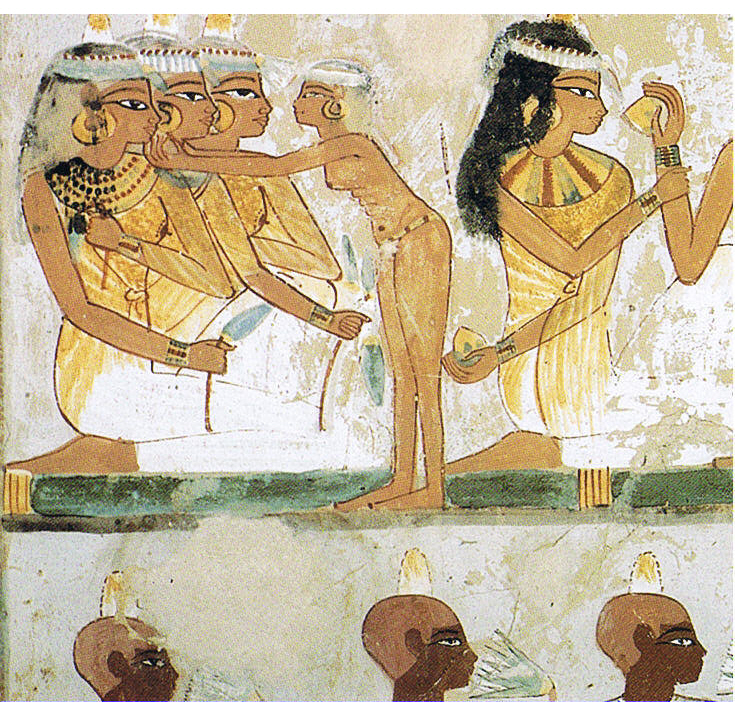 WorldEyeliner
Cosmetic applied around the eye contours to define shape.Makeup · Most faces
 🇬🇧 United Kingdom and 2 moreLipstick
A pigmented cosmetic applied to the lips for colour and texture.Makeup · 1884
 WorldContouring
A makeup method using darker and lighter shades to sculpt facial features.Makeup
 WorldBeauty mark
A dark facial mark, natural or applied, worn for adornment.Skin · Most faces