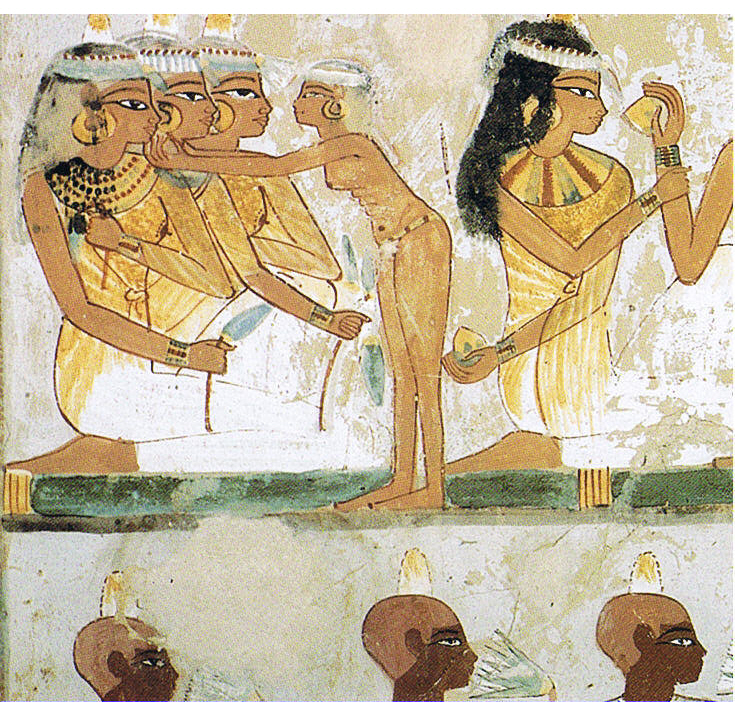
Eyeliner
Cosmetic applied around the eye contours to define shape.
Eyeliner is a cosmetic used to outline the eyes, creating definition or aesthetic effects. It ranges from ancient kohl to modern liquid and gel formulas, serving both protective and stylistic roles across cultures and fashion subcultures.
- Used in Egypt and Mesopotamia since 10,000 BC
- Protects skin from sun and evil eye historically
- Popularised in 1960s by designer Mary Quant
- Associated with goth, punk, and emo subcultures
- Comes in liquid, pencil, gel, powder, and cake forms
What it is
Eyeliner is a cosmetic product applied around the contours of the eyes. Its primary function is to define the eye shape or create specific aesthetic effects. It can be drawn above the upper lashes, below the lower lashes, or on the waterlines. The product comes in various forms, including liquids, pencils, gels, and powders. These textures allow for different finishes, from soft smudges to sharp, precise lines. Users choose shades ranging from classic black and brown to bright primaries and glitter.
History and origin
The use of eyeliner dates back to at least 10,000 BC in ancient Egypt and Mesopotamia. Early users applied dark lines not just for beauty but to shield skin from desert sun and ward off the evil eye. Ancient Egyptians made kohl from materials like galena, copper ore, and antimony. In the 1960s, designers like Mary Quant popularised thick black and white lines. Later, goth and punk movements adopted it for dramatic effect. The early 2000s saw the rise of guyliner within emo subcultures.
What it means
Historically, eyeliner held protective and spiritual significance in ancient cultures. Today, it serves as a tool for self-expression in everyday makeup and alternative fashion scenes. Heavy usage often signals affiliation with goth, punk, or emo lifestyles. The term guyliner highlights its adoption by men in music subcultures. It remains a staple for defining features or altering the perceived size of the eyes in daily routines.
The science
Traditional wax-based eyeliners contain about twenty components. Waxes make up roughly half the weight, allowing smooth application. Common ingredients include Japan wax, stearyl heptanoate, and fats. Pigments often consist of black iron oxides, titanium dioxide, and Prussian blue. Permanent eyeliner uses tattooing techniques to implant ink pigment along the eyelids, offering a long-lasting alternative to daily application.
Styling and care
Application methods vary by desired look. Short strokes are recommended for precision. Liquid liner suits sharp wings, while wax pencils offer ease and variety. Tight lining involves applying product close to the waterline to lengthen lash appearance, often requiring waterproof formulas. Gel liners provide a balance of precision and softness. Cake liners need wetting before use. Felt-tip pens offer convenience without sharpening.


Questions people ask about Eyeliner
What is tight lining?
Tight lining applies eyeliner against the waterline under upper lashes or above lower lashes. This technique makes lashes appear longer and start farther back on the lid. Waterproof formulas are preferred due to proximity to the eye surface.
Who popularised winged eyeliner in the 1960s?
Designers like Mary Quant helped popularise thick black and white lines around the eyes during the 1960s. This style became a key part of the makeup fashion of that era, often paired with new uses of eyeshadow and mascara.
What is guyliner?
Guyliner is a term for men wearing eyeliner. It gained popularity during the emo subculture of the early 2000s. Bands such as Fall Out Boy and Panic! at the Disco helped bring this style into mainstream attention.
What materials were used in ancient eyeliner?
Ancient Egyptians and Mesopotamians used materials like copper ore, antimony, and galena. Galena was often imported from regions such as the Land of Punt, Coptos, and Western Asia to create the dark black lines.
Good reading and sources
The facts on this page come from the Wikipedia article "Eye liner", written by its contributors and used under the CC BY-SA 4.0 licence, and from its Wikidata record (CC0). EveryFaceShape rewrote the text in its own words, with AI assistance, and compares every page with the article to make sure no passage is copied. It may be reused under the same CC BY-SA 4.0 licence with a link back.
It may contain mistakes, and figures change over time. Nothing here is investment or buying advice. If something is wrong, tell us. Last refreshed 2026-11-15.
Like Eyeliner
All makeup and face art 🇺🇸 United States and 1 moreEye shadow
Cosmetic pigment applied to eyelids to define and accentuate the eyes.Makeup · Most faces · 1910
 WorldContouring
A makeup method using darker and lighter shades to sculpt facial features.Makeup
 WorldBeauty mark
A dark facial mark, natural or applied, worn for adornment.Skin · Most faces
 🇲🇲 MyanmarThanaka
Ground bark paste used as face makeup and sun protection in Myanmar.Makeup · Most faces