
Lipstick
A pigmented cosmetic applied to the lips for colour and texture.
Lipstick is a pigmented cosmetic applied to the lips for colour and texture. First recorded in ancient Mesopotamia and South Asia five millennia ago, it entered mainstream commerce in late nineteenth-century France. Twentieth-century American industry refined its packaging and longevity, establishing it as a lasting marker of personal style.
- Ancient Sumerians crushed gemstones to colour their lips around five thousand years ago.
- Parisian Maison Guerlain produced the first commercial waxy stick in eighteen seventy.
- Twelve-year-old James Bruce Mason patented the swivel-up tube in Nashville during nineteen twenty-three.
- Organic chemist Hazel Bishop launched the first long-lasting non-smearing formula in nineteen forty-eight.
- Black lipstick gained traction in alternative music scenes after appearing in mid-century horror films.
What it is
Lipstick is a cosmetic product designed to add colour and texture to the lips. The solid form relies on wax and oil to hold its shape, while pigments deliver the desired shade. Minerals such as silica may be blended in to alter the finish. Liquid versions use a different base that dries down to a stain or matte layer. The product appears in sticks, tubes, pencils, glosses, and balms, each offering a different level of opacity and hydration.
History and origin
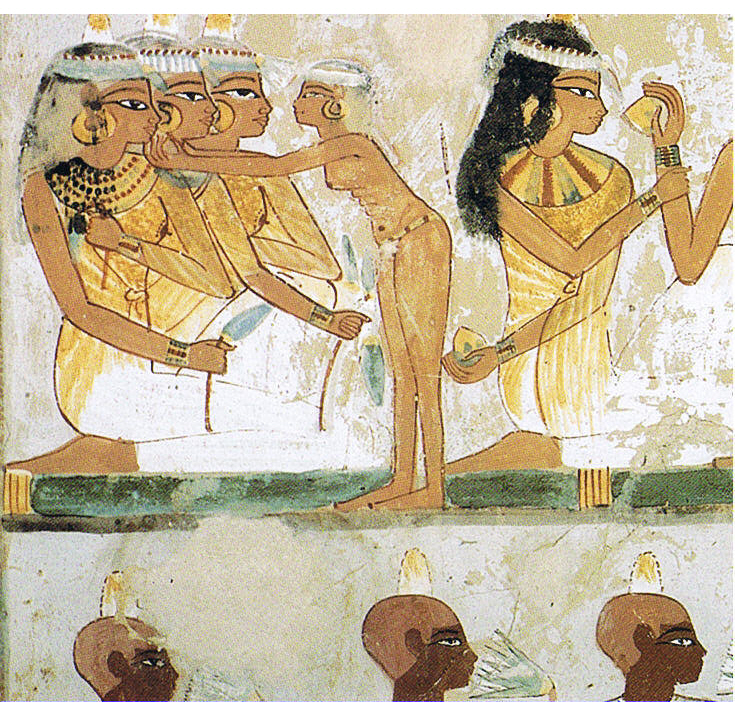
Early users in Sumer and the Indus Valley decorated their mouths roughly five thousand years ago using crushed stones or ochre. Ancient Egyptians mixed plant extracts and iodine compounds to signal social standing, though some formulas caused illness. Chinese artisans later combined beeswax with scented oils for protection and fragrance. In sixteenth-century England, bright red lips became fashionable among elite women and actors. Commercial production began in Paris during the eighteen seventies, inspired by candlemaking methods, and moved into metal tubes by the nineteen teens.
What it means
The product carries shifting cultural weight across centuries. Early Egyptian wearers used it to display rank rather than gender. Victorian Britain treated visible cosmetics as improper for respectable women, linking them to performers or marginalised groups. The nineteen twenties saw flappers adopt dark shades to signal independence, while the nineteen thirties framed the look as a symbol of adult sexuality. Black variants later appeared in horror cinema before being embraced by punk and goth scenes. Modern red shades are frequently read as statements of confidence and glamour.
The science
Formulations combine waxes like beeswax or carnauba with oils and antioxidants to create a stable structure. Historical colourants included carmine dye extracted from scale insects native to Mexico and Central America. Some modern batches contain trace amounts of lead or fluorinated compounds, which has triggered health discussions and regulatory oversight. The chemical composition determines melting point, adherence, and how long the pigment remains on the skin after application.
Styling and care
Application varies by format and desired finish. Traditional sticks glide directly onto the mouth, while liquid versions require an applicator wand and dry to a firm layer. Shade selection follows seasonal fashion cycles, moving from deep reds and nudes to pale whites, iridescent blues, and semi-matte browns. Users often pair specific tones with particular outfits or occasions, choosing glossy finishes for hydration or opaque mattes for longevity. Reapplication depends on eating habits and the chosen formula's staying power.
In culture
Stage performers helped normalise public wear when society frowned upon daytime cosmetics. Photographers later captured the look widely, making it acceptable for everyday portraits. Film stars and musicians have repeatedly revived specific shades, turning certain colours into signature aesthetics. Media coverage and magazine surveys tracked teenage adoption rates and generational debates over appropriateness. The phrase lipstick lesbian emerged in journalism to describe a feminine presentation within queer identity.


Questions people ask about Lipstick
What ingredients give lipstick its structure and colour?
Solid sticks rely on waxes such as beeswax or carnauba combined with oils and antioxidants to maintain shape. Pigments provide the shade, while minerals like silica adjust the texture. Historical recipes sometimes used carmine dye derived from scale insects, though modern versions vary based on manufacturer preferences and safety regulations.
When did lipstick become acceptable for everyday wear?
Visible cosmetics were considered improper for respectable women throughout most of the nineteenth century in Britain. Acceptance grew gradually, with London fashion embracing undisguised use by nineteen twenty-one. American women followed a similar path, reaching widespread acceptance by nineteen twelve, though magazines still advised cautious application during early decades.
How have packaging and delivery methods changed over time?
Early products were applied with brushes or kept in small pots and paper tubes. Metal cylinder containers arrived in nineteen fifteen, requiring a tiny side lever to push the product upward. A swivel-up mechanism was patented in nineteen twenty-three, and wartime shortages later introduced plastic and paper alternatives. Liquid formats now use wand applicators for precise placement.
Why do certain lipstick shades carry strong cultural meanings?
Colour choices have historically reflected social attitudes toward gender, rebellion, and status. Dark reds signified independence in the nineteen twenties and glamour in the nineteen fifties. Black variants moved from stage costumes to subcultural identity markers. Pale and nude tones often align with minimalist fashion movements, while bold hues appear during periods celebrating expressive individuality.
Good reading and sources
The facts on this page come from the Wikipedia article "Lipstick", written by its contributors and used under the CC BY-SA 4.0 licence, and from its Wikidata record (CC0). EveryFaceShape rewrote the text in its own words, with AI assistance, and compares every page with the article to make sure no passage is copied. It may be reused under the same CC BY-SA 4.0 licence with a link back.
It may contain mistakes, and figures change over time. Nothing here is investment or buying advice. If something is wrong, tell us. Last refreshed 2026-11-15.
Like Lipstick
All makeup and face art 🇺🇸 United States and 1 moreEye shadow
Cosmetic pigment applied to eyelids to define and accentuate the eyes.Makeup · Most faces · 1910
WorldMicroblading
A semi-permanent technique for enhancing eyebrow shape and colour using fine hand-drawn strokes.Makeup · 2007
 WorldContouring
A makeup method using darker and lighter shades to sculpt facial features.Makeup
 WorldEyeliner
Cosmetic applied around the eye contours to define shape.Makeup · Most faces