
Hikimayu
A pre-modern Japanese practice of removing natural eyebrows and painting new ones on the forehead.
Hikimayu was a beauty custom in Japan where women plucked their eyebrows and painted smudges on their foreheads. It began in the eighth century under Chinese influence and evolved into a distinct Japanese style during the Heian period before being banned in 1870.
- Hikimayu means pulling eyebrows in Japanese.
- It began in the eighth century under Chinese influence.
- Haizumi powder was made from sesame or rapeseed soot.
- Banned in 1870 due to Westernization policies.
- Seen in films like Rashomon and Ran.
What it is
Hikimayu involves the removal of natural eyebrows followed by the application of artificial ones. Women used powdered ink made from soot to paint these new features. The shapes varied from arcs to ovals placed higher than the natural brow line. This created a smooth, pale forehead that complemented white face powder. The style defined aristocratic femininity for centuries.
History and origin
The practice started in the eighth century when Japan adopted Chinese styles. Initially, eyebrows were painted in arcs similar to Chinese fashion. During the Heian period, the style shifted to oval smudges placed high on the forehead. This change may have balanced long hairstyles that exposed more forehead space. Men also adopted white faces and blackened teeth during this time. By the Edo period, it became restricted to married women. Western influence led to its ban in 1870 as part of modernization efforts.
What it means
In the Heian court, hikimayu signified high status and refined taste among noblewomen. Removing natural brows allowed for better application of white face powder. The elevated eyebrow placement helped frame the face against long hanging hair. Later, it became a marker of marital status for women. The style persisted in Noh drama masks, preserving the aesthetic for young female roles. It represented a deliberate departure from natural appearance towards idealized artifice.
Styling and care
Women plucked or shaved their natural eyebrows completely. They then applied haizumi, a powder made from sesame or rapeseed oil soot. The ink was painted in specific shapes like arcs or ovoid smudges. The placement was significantly higher than the natural brow ridge. This technique required careful application to achieve the desired smudge effect. The look was often paired with ohaguro, the blackening of teeth.
In culture
Hikimayu appears in major Heian literary works like The Tale of Genji and The Pillow Book. These texts describe the grooming process and its social implications. In cinema, actresses such as Machiko Kyō and Mieko Harada wore the style in historical films. Noh and Kabuki theatre continue to use masks featuring hikimayu eyebrows. Apprentice geisha in Kyoto may still practice related traditions like ohaguro before full graduation.

Questions people ask about Hikimayu
What is hikimayu?
Hikimayu is a pre-modern Japanese beauty practice where women removed their natural eyebrows and painted artificial ones on their foreheads using powdered ink.
When did hikimayu start?
The practice first appeared in the eighth century when the Japanese court adopted Chinese customs, evolving into a distinct Japanese style during the Heian period.
Why were eyebrows painted so high?
One theory suggests that as women's hairstyles changed to long hair hanging down, painting eyebrows higher helped balance the prominent forehead.
Is hikimayu still practiced today?
It is no longer common in daily life but appears in historical dramas, Noh theatre masks, and occasionally among apprentice geisha in Kyoto for ceremonial purposes.
Good reading and sources
The facts on this page come from the Wikipedia article "Hikimayu", written by its contributors and used under the CC BY-SA 4.0 licence, and from its Wikidata record (CC0). EveryFaceShape rewrote the text in its own words, with AI assistance, and compares every page with the article to make sure no passage is copied. It may be reused under the same CC BY-SA 4.0 licence with a link back.
It may contain mistakes, and figures change over time. Nothing here is investment or buying advice. If something is wrong, tell us. Last refreshed 2026-11-15.
Like Hikimayu
All makeup and face art 🇯🇵 Japan and 4 moreTeeth blackening
A traditional custom of dyeing teeth black to signify adulthood and beauty.Makeup
 🇨🇳 ChinaJing
A Chinese opera role for mighty men, defined by heavy face painting.Makeup
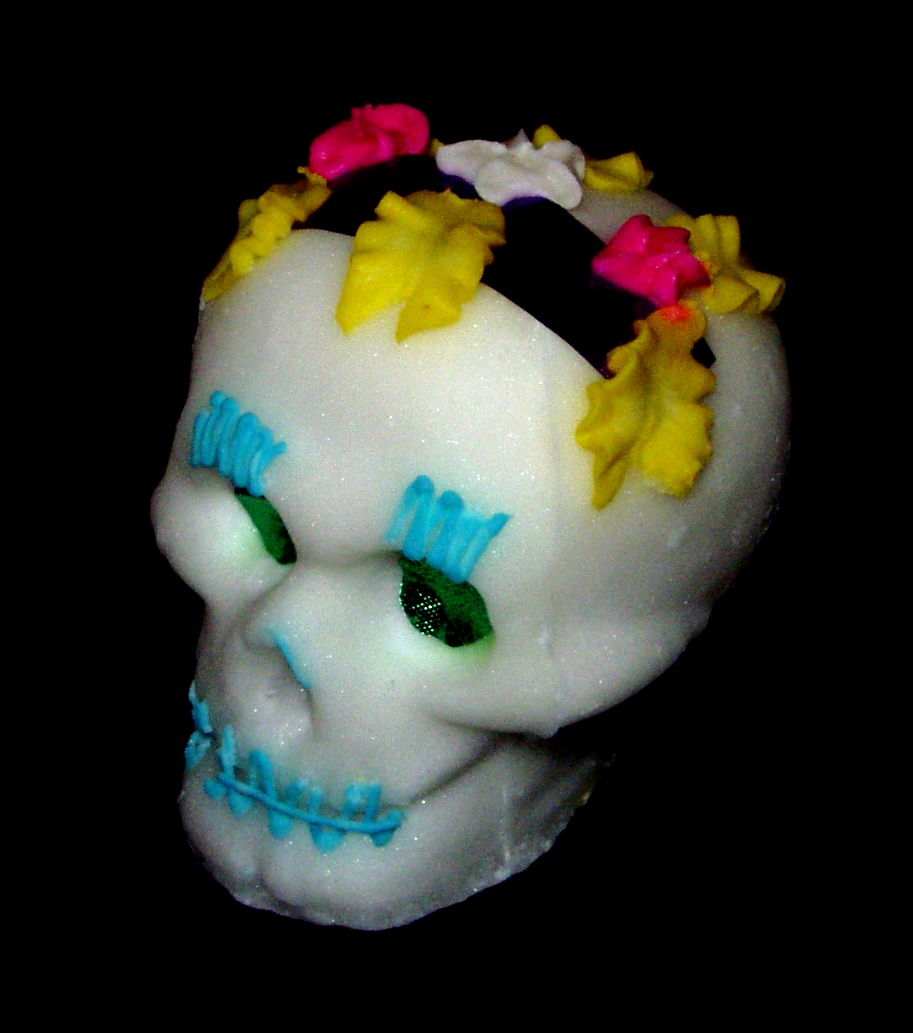 🇲🇽 MexicoCalavera
Decorative or edible skulls made for the Mexican Day of the Dead.Adornment
 🇪🇬 Egypt and 4 moreKohl
A traditional eye cosmetic made from crushed minerals or soot, used across Africa and Asia for thousands of years.Makeup