
Ohaguro
A Japanese tradition of blackening teeth with iron and tannins.
Ohaguro is the historical practice in Japan of dyeing teeth black using a solution of iron filings and vinegar. It served as a marker of adulthood, marriage, and social status from the Heian period until its decline in the Meiji era.
- Used iron filings and vinegar to create a black enamel coating.
- Marked adulthood and marriage for women and loyalty for samurai.
- Practised from the Heian period until the late Meiji era.
- Actors in kabuki theatre used sugar and resin mixtures for the look.
- Provided a protective sealant that helped prevent tooth decay.
What it is
Ohaguro refers to the custom of blackening teeth, widely practised in Japan for many centuries. The process involved applying a dark liquid made from iron filings and vinegar, often combined with tannins from plant galls. This mixture created a durable black coating on the enamel. The result was a striking visual contrast against the white facial makeup typically worn by women of the time. The practice was not merely cosmetic but carried significant weight regarding identity and maturity.
History and origin
The custom emerged among the aristocracy during the Heian period, roughly between the ninth and eleventh centuries. It initially marked the transition to adulthood for young women and later extended to men of high rank. By the Edo period, it became standard for married women, geisha, and certain samurai classes. The practice began to fade after the Meiji Restoration opened Japan to Western influences. A government ban on men practicing it occurred in 1870, and the Empress publicly displaying white teeth accelerated its abandonment among noblewomen.
What it means
Blackened teeth symbolised beauty, maturity, and marital status. For samurai, the colour black represented loyalty to one's lord. The practice also served to distinguish humans from demons, who were often depicted with white fangs. Additionally, the combination of black teeth, plucked eyebrows, and white face paint created a mask-like appearance that concealed emotion, aligning with cultural preferences for reserve. It signified a woman's acceptance of her role as a wife and mother.
The science
The chemical reaction between iron acetate and vegetable tannins produced an insoluble black compound similar to iron gall ink. This layer acted as a sealant over the tooth enamel, which was believed to prevent decay and alleviate dental pain. The coating required regular maintenance because it faded quickly. Without frequent reapplication, the black colour would diminish, revealing grey patches and losing its glossy finish.
Styling and care
The dye was applied using small brushes or feathers, often after rubbing the teeth with pomegranate peel to improve adhesion. Specialised containers held the dye and associated tools like gargling bowls. In theatrical contexts such as kabuki, actors used mixtures containing brown sugar and pine resin to achieve the effect for roles portraying married women or courtesans. The application was a ritualistic process, sometimes involving specific attendants known as godmothers of the blackening.
In culture
Ohaguro appears frequently in classical literature, including the Tale of Genji and various medieval tales where unblackened teeth are described negatively. Foreign visitors in the nineteenth century often commented on the practice, with some viewing it through a biased lens. Today, the tradition survives primarily in historical reenactments, period films, and among apprentice geisha during their final training stage. It remains a potent symbol of traditional Japanese aesthetics and history.


Questions people ask about Ohaguro
What ingredients were used to make ohaguro?
The primary solution consisted of iron filings dissolved in vinegar to create iron acetate. This was mixed with vegetable tannins extracted from sources like Chinese sumac galls or tea. The chemical reaction turned the liquid black and made it insoluble in water, allowing it to adhere firmly to the teeth.
Why did Japanese people blacken their teeth?
The practice signified beauty, maturity, and social status. For women, it indicated they were married or of age. For samurai, it represented loyalty to their lord. It also distinguished humans from demons with white fangs and complemented other beauty standards like white face paint and plucked eyebrows.
When did the tradition of ohaguro end?
The custom declined rapidly after Japan opened to Western customs during the Meiji period. The government banned men from practising it in 1870. After the Empress appeared with white teeth in 1873, it became obsolete among nobles. It persisted in rural areas and among lower classes until disappearing almost entirely by the Taishō period.
Is ohaguro still practised today?
It is rarely seen outside of specific cultural contexts. Some apprentice geisha blacken their teeth during the final stage of their training before becoming full geisha. The practice also appears in kabuki theatre, period films, and at certain traditional festivals to represent historical characters.
Good reading and sources
The facts on this page come from the Wikipedia article "Ohaguro", written by its contributors and used under the CC BY-SA 4.0 licence, and from its Wikidata record (CC0). EveryFaceShape rewrote the text in its own words, with AI assistance, and compares every page with the article to make sure no passage is copied. It may be reused under the same CC BY-SA 4.0 licence with a link back.
It may contain mistakes, and figures change over time. Nothing here is investment or buying advice. If something is wrong, tell us. Last refreshed 2026-11-15.
Like Ohaguro
All makeup and face art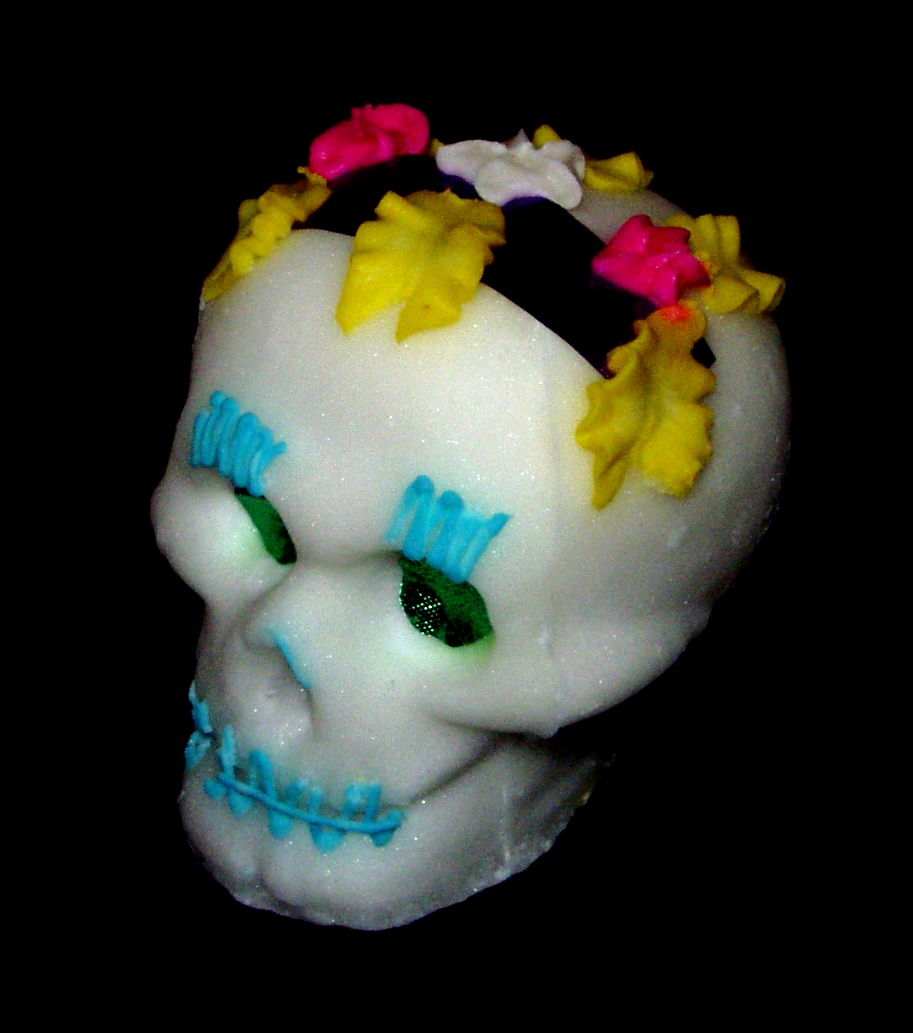 🇲🇽 MexicoCalavera
Decorative or edible skulls made for the Mexican Day of the Dead.Adornment
 🇮🇳 India and 4 moreBindi
A coloured dot worn on the forehead in South and Southeast Asia.Adornment · Most faces
 🇯🇵 JapanHikimayu
A pre-modern Japanese practice of removing natural eyebrows and painting new ones on the forehead.Makeup
 🇮🇳 IndiaTilaka
A traditional Hindu forehead mark applied with paste or ash to signify faith and spiritual identity.Adornment