
Tripundra
Three horizontal ash lines on the forehead worn by Shaivite Hindus.
The tripundra is a sacred mark consisting of three horizontal stripes applied to the brow. It serves as a visible sign of devotion to Shiva and spiritual renunciation within Hindu traditions.
- Consists of three horizontal lines made from sacred ash.
- Signifies affiliation with Shiva and spiritual renunciation.
- Represents Shiva's powers of will, knowledge, and action.
- Reminds wearers of the temporary nature of the physical body.
- Known as Thiruneeru in Tamil and Thirunama in Kannada.
What it is
The tripundra appears as three parallel horizontal bands across the upper face. Practitioners apply these lines using vibhuti, which is sacred ash derived from ritual fires. A small vertical dot often sits between the stripes, representing the third eye. This mark distinguishes followers of Shiva and certain Smarta Hindus. The design is simple yet deeply symbolic, serving as a constant visual reminder of spiritual principles. It is not merely decorative but functions as a theological statement worn on the skin.
History and origin
This tradition appears in ancient scriptures like the Bhasmajabala Upanishad and the Kalagni Rudra Upanishad. These texts outline the allegorical meanings behind the three lines. Scholars note that the stripes represent various triads, including the three worlds, the three Vedas, and the three aspects of the divine. The practice has persisted for centuries as a core element of Shaivite identity and daily worship routines across South Asia.
What it means
Wearers view the tripundra as a reminder that the physical body eventually turns to ash. It signifies the pursuit of liberation and closeness to the divine. The three lines correspond to Shiva’s powers of will, knowledge, and action. They also mirror the trident of Shiva and the roles of Brahma, Vishnu, and Shiva. The ash itself reminds adherents of impermanence, encouraging focus on spiritual goals rather than material attachments.
Styling and care
Applying the mark is known as bhasma dharana. Devotees typically use calcined ash from sacrificial fires. The process often involves reciting mantras while remembering the spiritual significance. Some wear it daily, while others apply it during specific rites of passage. The lines are drawn horizontally across the brow, sometimes accompanied by a central bindu dot to complete the traditional appearance.
In culture
The tripundra is a prominent identifier for Shaivite communities in India. Regional names include Thiruneeru in Tamil and Thirunama in Kannada. It stands in contrast to the vertical marks worn by Vaishnavites. The symbol appears frequently in religious art and literature, reinforcing its status as a key marker of faith and cultural heritage within Hinduism.


Questions people ask about Tripundra
What does the tripundra look like?
It consists of three horizontal stripes applied across the forehead using sacred ash. A small dot may appear between the lines. The mark is simple, stark, and clearly visible against the skin.
Who wears the tripundra?
It is primarily worn by Shaivite Hindus who follow the worship of Shiva. Some Smarta Hindus also adopt this tilaka as part of their religious practice and daily routine.
What is the spiritual meaning of the three lines?
The lines symbolize Shiva's powers of will, knowledge, and action. They also represent the three worlds, the three Vedas, and the reminder that the body returns to ash, emphasizing spiritual liberation.
How is the tripundra applied?
Devotees apply it using vibhuti, or sacred ash from ritual fires. The process often includes chanting mantras and focusing on the mark's deeper theological significance during daily worship.
Good reading and sources
The facts on this page come from the Wikipedia article "Tripundra", written by its contributors and used under the CC BY-SA 4.0 licence, and from its Wikidata record (CC0). EveryFaceShape rewrote the text in its own words, with AI assistance, and compares every page with the article to make sure no passage is copied. It may be reused under the same CC BY-SA 4.0 licence with a link back.
It may contain mistakes, and figures change over time. Nothing here is investment or buying advice. If something is wrong, tell us. Last refreshed 2026-11-15.
Like Tripundra
All adornment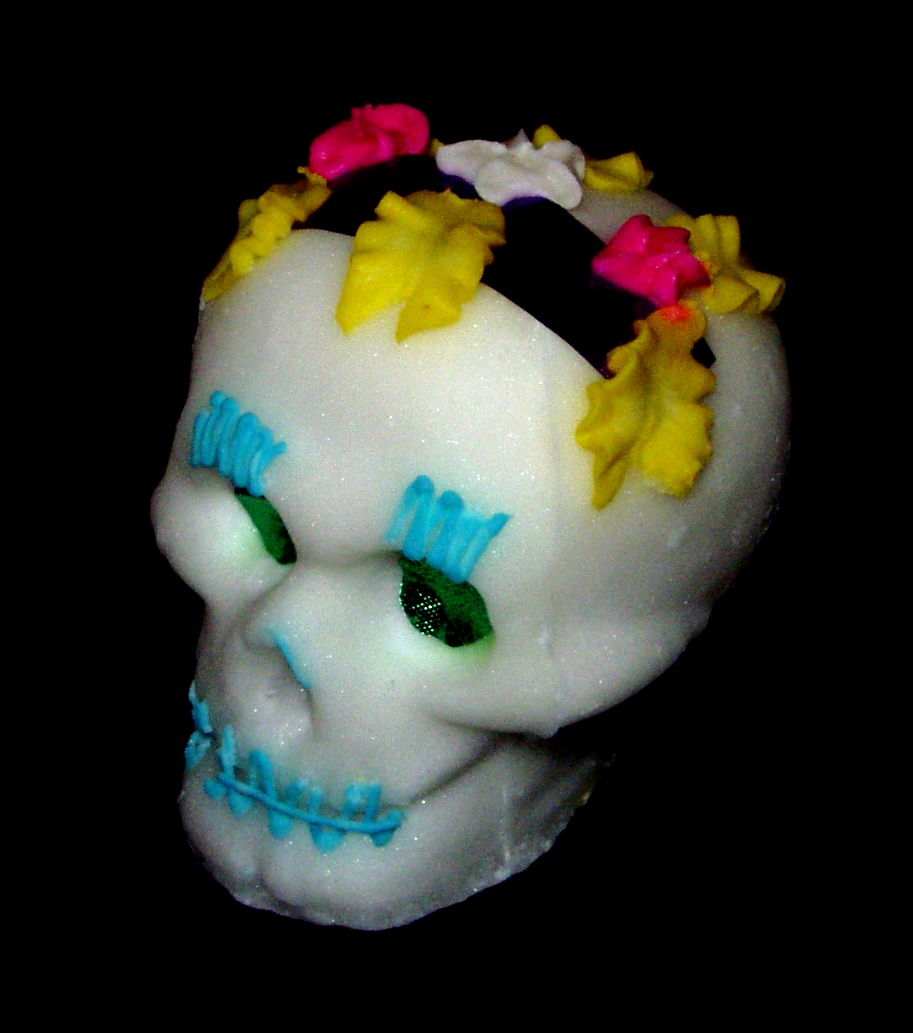 🇲🇽 MexicoCalavera
Decorative or edible skulls made for the Mexican Day of the Dead.Adornment
 WorldVibhuti
Sacred ash used in Hindu rituals and applied as forehead markings.Makeup
 🇮🇳 India and 4 moreBindi
A coloured dot worn on the forehead in South and Southeast Asia.Adornment · Most faces
 🇮🇳 IndiaTilaka
A traditional Hindu forehead mark applied with paste or ash to signify faith and spiritual identity.Adornment