
Vibhuti
Sacred ash used in Hindu rituals and applied as forehead markings.
Vibhuti is sacred ash made from burnt cow dung, wood, or cremated bodies. Devotees of Shiva apply it as three horizontal lines on the forehead to mark their faith.
- Vibhuti is sacred ash made from burnt cow dung or wood.
- It is applied as three horizontal lines called tripundra.
- The term also refers to mystical powers in Yoga Sutras.
- Cow dung must be dried for a week before burning.
- Fragrances may be added to the ash after burning.
What it is
Vibhuti is a form of sacred ash used in Hindu religious practices. It appears as a fine powder, typically white or pale grey in colour. The substance is created through specific burning processes involving organic materials. Devotees often apply this ash across their foreheads. This application forms three distinct horizontal lines known as tripundra. The marking serves as a visible sign of devotion. Some individuals also place the ash on other parts of their body. The texture is soft and powdery when prepared correctly.
History and origin
The term vibhuti originates from Sanskrit texts within Hinduism. It holds significance in Agamic rituals and Shaivite traditions. The Yoga Sutras use the word differently to describe mystical powers. Vaishnava theology interprets it as divine power incarnate in a person. Sri Aurobindo described it as heroic divine power in man. The practice of using ash dates back to ancient religious customs. Different plant varieties may be chosen based on astrological charts.
What it means
In Hinduism, vibhuti represents purity and spiritual focus. It is primarily associated with devotees of Shiva. The three horizontal lines symbolise specific religious concepts. Applying the ash is an act of faith and identity. It marks the wearer as part of a particular spiritual path. The substance is considered sacred rather than merely decorative. Adulteration is frowned upon, though fragrances may be added. It connects the individual to traditional ritual practices.
The science
Cow dung cakes are dried in sunlight for about a week. They are then layered with plant material like rice husks. This mixture burns over several days to produce ash. The resulting ash may be washed and re-dried for lighter colour. Plant-based versions use species with spiritual significance. Homa ceremonies often involve burning these specific plants.
Styling and care
Devotees apply vibhuti traditionally across the forehead. The standard style consists of three parallel horizontal lines. This pattern is called tripundra. Some followers extend the application to other body parts. The ash can be mixed into a paste for easier application. Fragrances may be incorporated during preparation. Users select ingredients based on personal preference or astrology.
In culture
Vibhuti is central to Hindu religious expression. It appears in various Upanishads such as Bhasmajabala. The Lingayat religion has specific traditions regarding its use. It is listed alongside other adornments like bindi and kumkum. The concept extends beyond physical ash to metaphorical divine power. Literary figures like Sri Aurobindo have discussed its philosophical meaning.
Questions people ask about Vibhuti
What is vibhuti made from?
Vibhuti is made from burnt dried wood, burnt cow dung, or sometimes cremated bodies. The cow dung is dried in sunlight for about a week before being burned with plant materials like rice husks.
How is vibhuti applied to the body?
Devotees of Shiva traditionally apply vibhuti as three horizontal lines across the forehead. This marking is known as tripundra. Some people also apply it to other parts of their body as part of their ritual practice.
Does vibhuti have meanings outside of Hinduism?
Yes. In the Yoga Sutras, vibhuti refers to mystical powers gained through samyama. Vaishnava theology uses it to describe an incarnation of divine power in a mortal person.
Can vibhuti be scented?
While adulteration is generally frowned upon, herbs or perfumes may be added. These can be mixed into the powder after burning or added before the burning process begins to provide fragrance.
Good reading and sources
The facts on this page come from the Wikipedia article "Vibhuti", written by its contributors and used under the CC BY-SA 4.0 licence, and from its Wikidata record (CC0). EveryFaceShape rewrote the text in its own words, with AI assistance, and compares every page with the article to make sure no passage is copied. It may be reused under the same CC BY-SA 4.0 licence with a link back.
It may contain mistakes, and figures change over time. Nothing here is investment or buying advice. If something is wrong, tell us. Last refreshed 2026-11-15.
Like Vibhuti
All makeup and face art 🇮🇳 India and 1 moreSindoor
A vermilion powder worn by married Hindu women to mark marital status.Makeup
 🇮🇳 IndiaTilaka
A traditional Hindu forehead mark applied with paste or ash to signify faith and spiritual identity.Adornment
 🇮🇳 India and 4 moreBindi
A coloured dot worn on the forehead in South and Southeast Asia.Adornment · Most faces
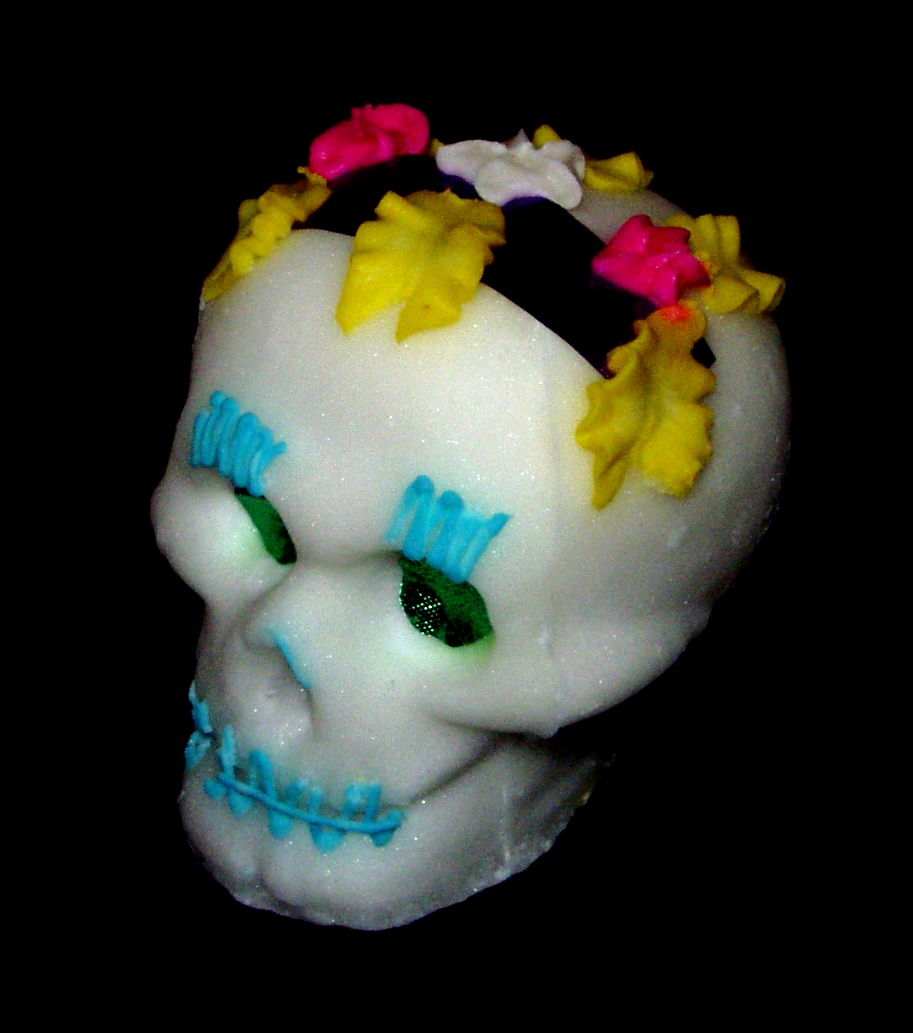 🇲🇽 MexicoCalavera
Decorative or edible skulls made for the Mexican Day of the Dead.Adornment