Noses
The aquiline, Roman, Greek, snub and button nose, and the bridge, tip and nostrils. 8 face guides on EveryFaceShape so far.
The nose has a bridge, a tip and two nostrils, and each varies widely. Profiles are often called straight (Greek), aquiline (Roman), snub or button, and bridges high, low, broad or narrow. Nose shape is inherited, set by the nasal bones above and soft cartilage below, and is found in every variety among people everywhere. The nose matters for eyewear fit and is one of the most adorned parts of the face.
Shape and anatomy
The upper third of the nose is bone, the paired nasal bones; the lower two thirds are cartilage, which shapes the tip and nostrils. Researchers have linked differences in nostril width to climate, with narrower noses more common where air is cold and dry, though many factors are involved. Old claims that tied nose shapes to character or nation belong to physiognomy and have no basis.
Fit and adornment
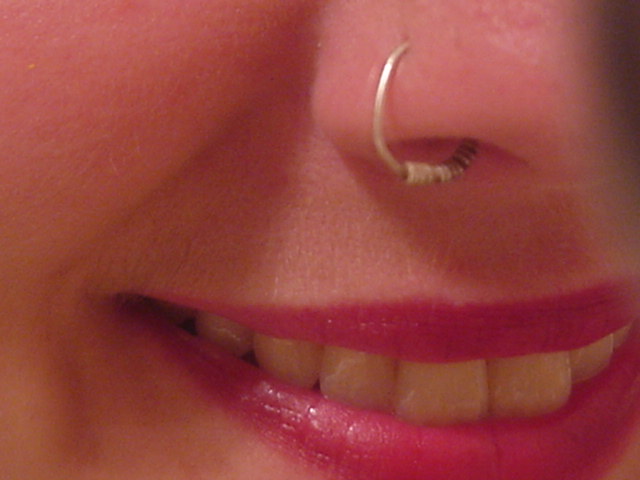
For glasses, the bridge decides how a frame sits: low bridges, common among many peoples of Asia and Africa, may need frames with higher pads. The nose is also the site of some of the world's most loved jewellery: the nath of Indian brides, the everyday nose stud, the Nepalese septum ring and, in Arunachal Pradesh, the nose plugs once worn by Apatani women.
Famous nose face guides

Still to be written: Human nose.
Further reading
 WorldNasion
A natural dip in the bone structure between the eyes and the top of the nose.Nose
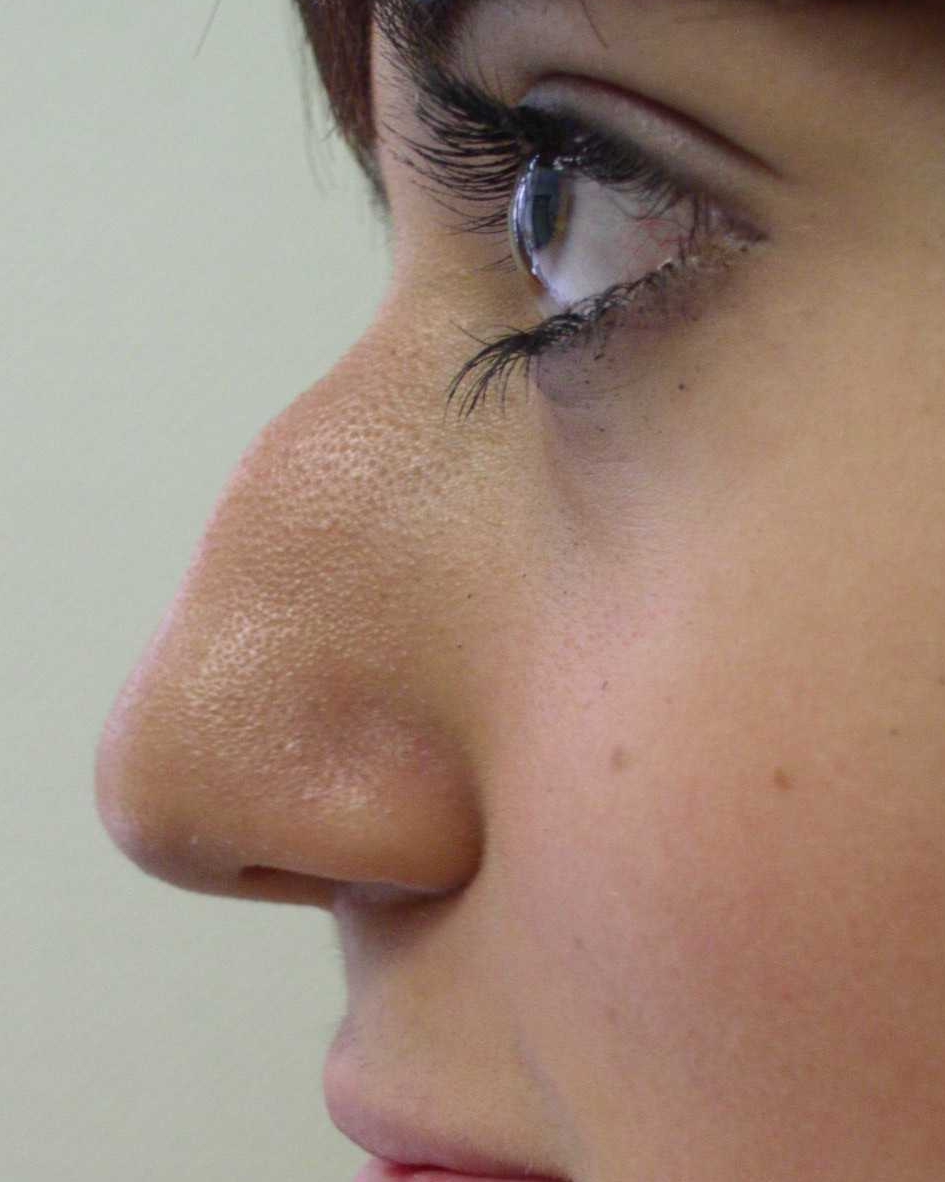 WorldAquiline nose
A human nose with a prominent bridge that curves or bends slightly.Nose
WorldGlabella
The smooth skin area between the eyebrows and above the nose.Nose
 WorldNostril
The two openings of the nose that allow air to enter and leave the body.Nose · Most faces
🇮🇱 Israel and 2 moreButton nose
A small, rounded nose with an upturned tip.Nose · Most faces
WorldUpturned nose
A small nose with a tip that slopes slightly upward.Nose
WorldGreek nose
A nose shape defined by a straight bridge and narrow nostrils.Nose
WorldSnub nose
A small, round nose with an upturned tip.Nose
Photo credits on this page
The small pictures above come from Wikimedia Commons under free licences. Some are cropped to fit.
- Nasion: Unknown author, Public domain, source
- Nose jewellery: Etan Doronne @ www.myindiaexperience.com, CC BY-SA 3.0, source
- Nose piercing: Marie Richie, CC BY 2.0, source
- Aquiline nose: Klaus D. Peter, Wiehl, Germany Diese Datei aus meinem Archiv habe ich, CC BY 3.0 de, source
- Nostril: Kuebi = Armin Kübelbeck, CC BY-SA 3.0, source