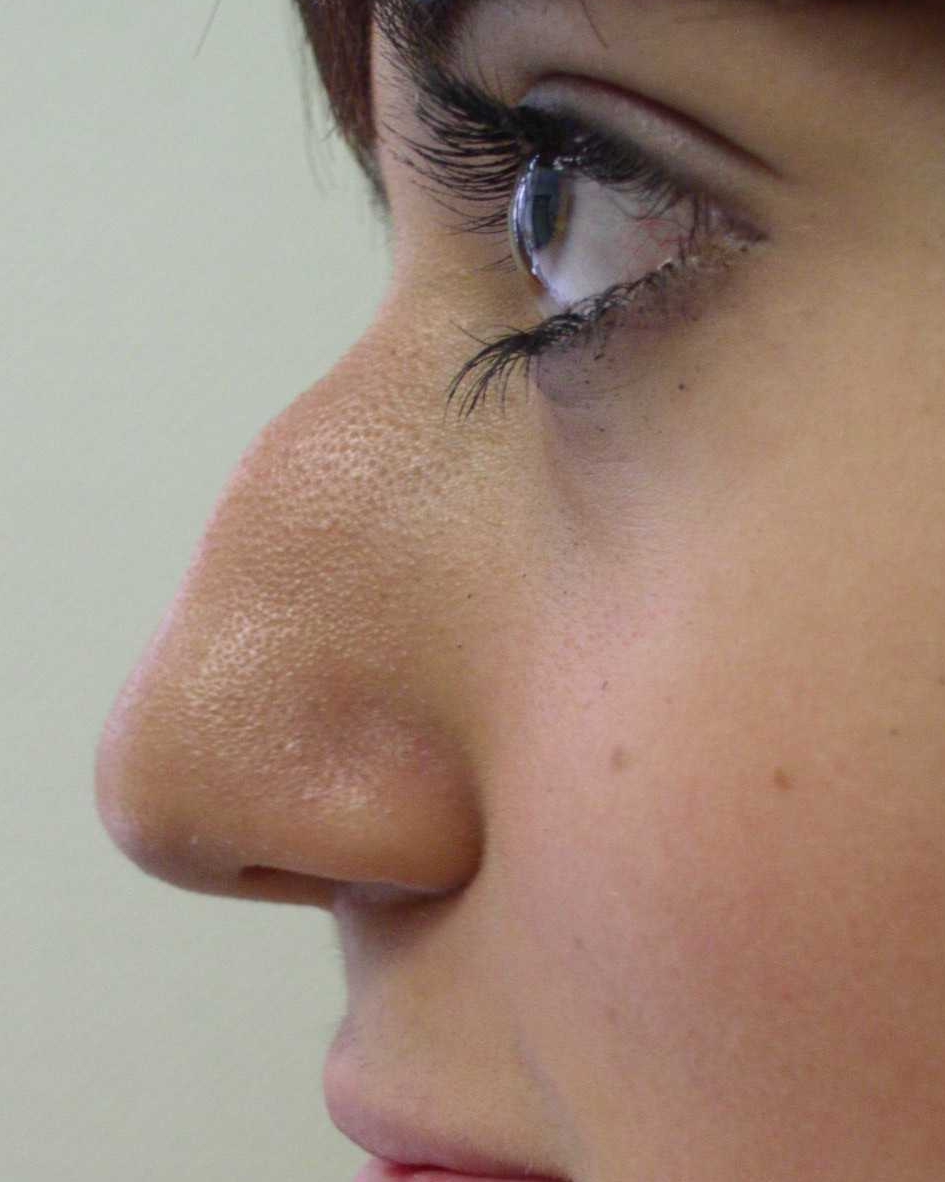
Aquiline nose
A human nose with a prominent bridge that curves or bends slightly.
An aquiline nose features a high, curved bridge resembling an eagle's beak. It appears across many diverse populations and has been linked to art and literature, though these links are cultural rather than scientific.
- Named after the Latin word for eagle-like due to its curved shape.
- Appears in ancient Roman portraits of emperors like Constantine.
- Scientific studies reject links to intelligence or race.
- Commonly found in diverse populations including Kashmir and Afghanistan.
- Featured in literature as a marker of nobility and status.
What it is
This facial feature is defined by a high nasal bridge that creates a distinct curve or bend. The shape resembles the hooked beak of an eagle, which inspired its name from the Latin term for eagle-like. While often described as prominent or convex, it is simply one variation among many human nose types. It does not indicate any specific trait beyond its physical structure.
History and origin
The term originates from Latin describing an eagle's beak. In ancient Roman imperial portraiture, this nose type appeared frequently on emperors like Constantine the Great, symbolising authority. Later, post-Enlightenment writers used it in fiction to denote nobility. During the Victorian era, pseudoscientific theories wrongly linked it to racial hierarchies and intelligence, claims modern science rejects entirely.
What it means
Historically, art and literature associated this nose with power, vigour, and high status. Emperors were depicted with it to show strength. In some novels, characters with this feature were portrayed as noble or superior. These associations reflect cultural biases of past eras rather than biological reality. Today, it is viewed neutrally as a normal genetic variation found worldwide.
The science
No scientific evidence supports links between nose shape and personality, intelligence, or ethnicity. This trait is a phenotypical expression similar to eye colour or earwax type. It occurs in many geographically diverse groups, including peoples of Afghanistan, Kashmir, and various Indian castes. Genetic inheritance determines its presence without implying any social or racial category.
In culture
Notable figures like Cleopatra are often depicted with this nose in ancient art. Blaise Pascal famously speculated her nose influenced history. In literature, Aphra Behn’s character Oroonoko uses his Roman nose to signal nobility against contemporary peers. Gandhara statuary also frequently portrays this feature, reflecting artistic traditions of northern Pakistan and Afghanistan.

Questions people ask about Aquiline nose
What defines an aquiline nose?
It is a human nose with a prominent bridge that curves or bends slightly, resembling an eagle's beak. This shape is a natural variation found across many different populations worldwide.
Is this nose shape linked to specific races?
No. While historical pseudoscience claimed otherwise, modern research shows no scientific link between nose shape and ethnicity or race. It appears in diverse groups globally.
Why was this nose important in ancient art?
Ancient Roman emperors like Constantine were often depicted with it to symbolise authority and vigour. Artists used it to convey power and status in imperial portraiture.
Does nose shape determine personality?
Absolutely not. Claims linking facial features to intelligence or character are unscientific. Nose shape is purely a physical trait determined by genetics, with no bearing on behaviour.
Good reading and sources
- Aquiline nose on WikipediaEncyclopedia
- More photos on Wikimedia CommonsPhotos
- Wikidata recordOpen data
The facts on this page come from the Wikipedia article "Aquiline nose", written by its contributors and used under the CC BY-SA 4.0 licence, and from its Wikidata record (CC0). EveryFaceShape rewrote the text in its own words, with AI assistance, and compares every page with the article to make sure no passage is copied. It may be reused under the same CC BY-SA 4.0 licence with a link back.
It may contain mistakes, and figures change over time. Nothing here is investment or buying advice. If something is wrong, tell us. Last refreshed 2026-11-15.
Like Aquiline nose
All noses WorldNostril
The two openings of the nose that allow air to enter and leave the body.Nose · Most faces
 WorldNasion
A natural dip in the bone structure between the eyes and the top of the nose.Nose
🇮🇱 Israel and 2 moreButton nose
A small, rounded nose with an upturned tip.Nose · Most faces