
Nostril
The two openings of the nose that allow air to enter and leave the body.
Nostrils are the external orifices of the nose, separated by a central wall. They serve as the primary gateway for breathing and smelling in humans and many other animals.
- Humans have two external nostrils and two internal ones.
- About 1,000 hairs line each external opening.
- Blood vessels swell and shrink in an alternating cycle.
- Each nostril can detect different scents at once.
- A crooked septum can make one side appear larger.
What it is
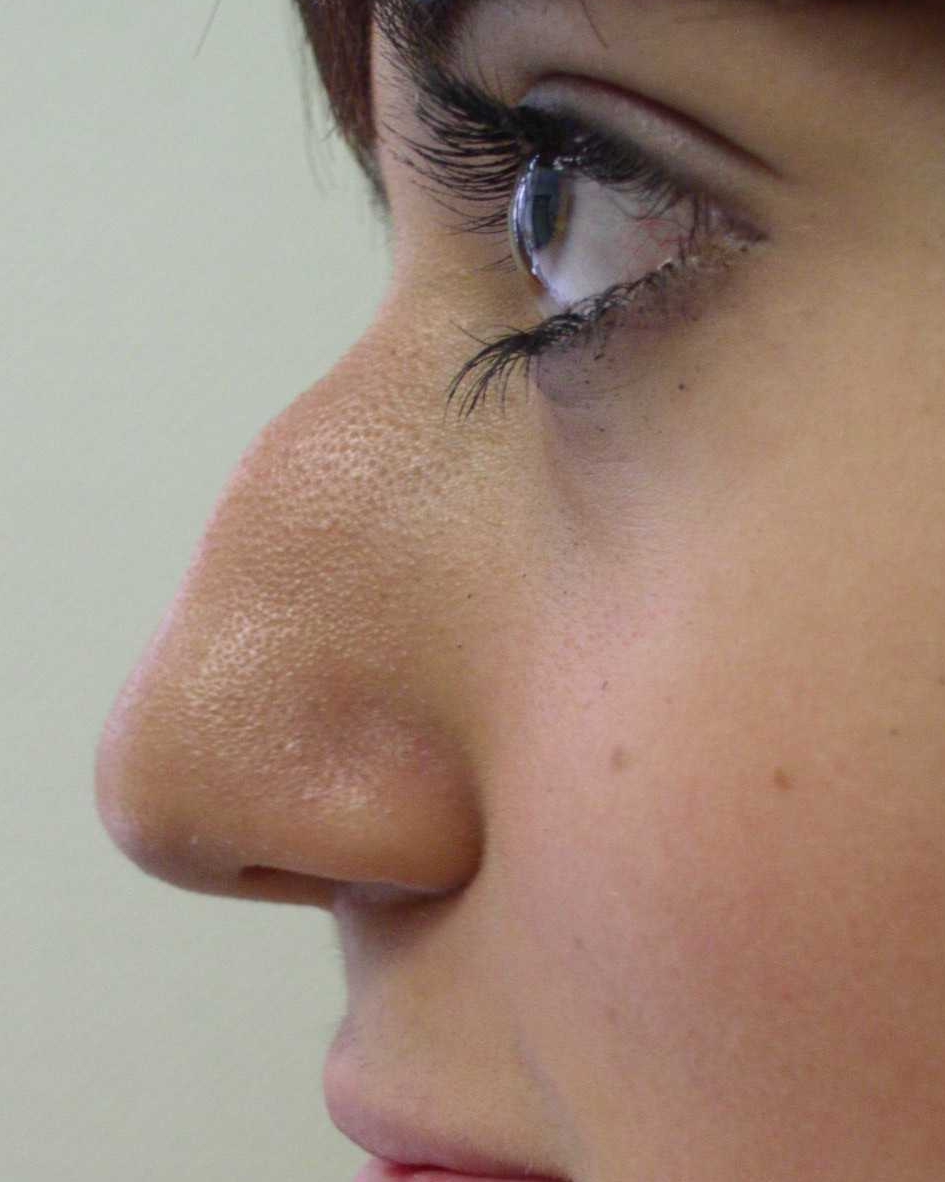
A nostril is one of the two holes found at the bottom of the nose. These openings allow air to flow into and out of the nasal cavities. In humans, they are divided by a wall called the septum. Sometimes this wall is crooked, making one side look bigger than the other. Inside each hole, there are about one thousand tiny hairs. These hairs catch dust and pollen before they can go deeper into the body. The nostrils also connect to the throat through passages at the back of the nose. This setup helps with both breathing and detecting smells. Some people flare their nostrils wide when expressing strong emotions.
History and origin
The structure of nostrils has changed over millions of years. Early aquatic ancestors had four openings on the outside of their heads. As species moved to land, the rear openings moved inside the mouth. Fossils show this transition happening gradually. Modern humans retain two front holes and two back holes. The back holes link the nose to the throat. This design supports efficient respiration on land. The change allowed tetrapods to adapt to different environments while maintaining sensory functions.
What it means
In human culture, nostril movement often signals emotion. Flaring the nostrils widely while showing teeth is sometimes called 'doing the nostrils.' This gesture usually indicates anger or intense effort. There is no specific religious meaning attached to the shape itself. However, the ability to smell different things with each nostril is a unique biological trait. This dual input creates a complex perception of scent in the brain.
The science
Humans experience a nasal cycle where blood vessels swell and shrink alternately. This changes which nostril is more open at any given time. Each nostril can process different smells simultaneously. The brain handles these separate inputs like visual rivalry. Scientific studies show neural activity patterns differ between sides. The internal structures contain turbinates that warm and moisten air. These features protect the lungs and optimize oxygen intake during breathing.
Styling and care
No nostril style exists as it is a natural feature. Care involves keeping the nasal hairs healthy to filter air. No grooming is required for the openings themselves. Medical issues like deviated septums may require professional attention. Extreme damage can merge the two holes into one large opening. Generally, the nose maintains its shape without intervention. Breathing efficiency depends on clear airways and proper function.
In culture
Nostrils appear in discussions of animal anatomy too. Birds have tubular nostrils for identification. Sharks use wide spacing to locate scents. Human faces vary in nostril width and shape. These variations are normal and do not indicate character. Artists may depict flared nostrils to show exertion. The feature is universal among mammals and some fish. It remains a key part of respiratory biology worldwide.
Questions people ask about Nostril
Why does one nostril feel blocked sometimes?
This happens due to the nasal cycle. Blood vessels inside the nose swell and shrink alternately. One side becomes more open while the other closes slightly. This is a normal biological process that regulates airflow and humidity.
What separates the two nostrils?
A wall of bone and cartilage called the septum divides them. If this wall is crooked, it is known as a deviated septum. This can cause one opening to look larger than the other.
Do all animals have nostrils like humans?
Most mammals and birds have similar structures. Fish use small holes for smelling but do not breathe through them. Some ancient fossils show how these openings moved from the head to the mouth over time.
Good reading and sources
The facts on this page come from the Wikipedia article "Nostril", written by its contributors and used under the CC BY-SA 4.0 licence, and from its Wikidata record (CC0). EveryFaceShape rewrote the text in its own words, with AI assistance, and compares every page with the article to make sure no passage is copied. It may be reused under the same CC BY-SA 4.0 licence with a link back.
It may contain mistakes, and figures change over time. Nothing here is investment or buying advice. If something is wrong, tell us. Last refreshed 2026-11-15.
Like Nostril
All noses WorldNasion
A natural dip in the bone structure between the eyes and the top of the nose.Nose
 WorldAquiline nose
A human nose with a prominent bridge that curves or bends slightly.Nose
WorldUpturned nose
A small nose with a tip that slopes slightly upward.Nose