Greek nose
A nose shape defined by a straight bridge and narrow nostrils.
The Greek nose is a natural facial feature characterized by a straight nasal bridge and narrow nostrils. It is often cited in cosmetic surgery consultations as a reference for aesthetic balance, though it appears across various populations without being exclusive to any single group.
- Characterized by a straight bridge and narrow nostrils.
- Often used as a reference shape in rhinoplasty consultations.
- Associated with classical artistic ideals of symmetry.
- Seen in public figures like Jennifer Aniston and Kate Middleton.
- Defined by the absence of bumps or curves on the bridge.
What it is
This nose type features a straight dorsal line from the root to the tip, lacking significant humps or dips. The nostrils are typically narrow, contributing to a clean profile. It is distinguished from other shapes by its smooth contour and balanced proportions. While often described as desirable in certain cultural contexts, it is simply one variant among many natural human forms. The structure relies on the alignment of bone and cartilage to maintain its linear appearance.
History and origin
The term originates from classical art traditions where idealized human features were depicted with geometric precision. In modern times, it has become a common reference point in cosmetic surgery discussions. Patients frequently bring images of this shape when seeking rhinoplasty to achieve a specific aesthetic goal. Its popularity in medical literature reflects historical artistic standards rather than biological prevalence.
What it means
In contemporary culture, this shape is often associated with classical beauty standards. It is viewed as a neutral, harmonious feature that fits well within traditional aesthetic frameworks. However, it holds no inherent superiority over other nasal structures. Different cultures value diverse facial features, and this shape is merely one option among many valid expressions of human diversity.
The science
The structure results from the growth patterns of nasal bones and upper lateral cartilages. Genetic factors determine the angle of the bridge and the width of the nostrils. Studies on nasal morphology categorize this as a distinct phenotype based on linear measurements. There is no evidence linking this shape to specific ethnic groups, as it can appear in individuals from various backgrounds.
Styling and care
No special grooming is required for this natural feature. In cosmetic contexts, surgeons may aim to preserve its straight line during procedures. Some patients seek surgery to reduce size while maintaining the straight profile. Makeup techniques like contouring can enhance the perception of its lines, but these are optional enhancements.
In culture
Celebrities such as Jennifer Aniston and Kate Middleton have been identified with this nasal structure in media profiles. Classical sculpture and painting have historically influenced the naming and appreciation of this form. Modern photography continues to highlight its clean lines, reinforcing its status in visual arts and fashion.
Questions people ask about Greek nose
What defines a Greek nose?
It is defined by a straight nasal bridge that runs smoothly from the forehead to the tip, without prominent humps or dips. The nostrils are typically narrow, creating a clean profile view.
Is this nose shape rare?
While specific studies vary, it is not considered rare. It appears across different populations and is often cited as a common aesthetic preference in cosmetic surgery rather than a unique biological anomaly.
Can you change a Greek nose?
Yes, through rhinoplasty. Patients may seek reduction to make the nose smaller or refine the tip while maintaining the straight bridge. Dermal fillers can also adjust minor contours non-surgically.
Does it belong to a specific ethnicity?
No. The sources indicate it is a natural variation found in many people. It is not exclusive to any single race or ethnic group, appearing instead as a result of diverse genetic combinations.
Good reading and sources
There is no English Wikipedia article on Greek nose yet, so the facts on this page come from the sources listed above: theprivateclinic.co.uk/blog/what-are-the-different-types-of-nose-shape, nbcnews.com/healthmain/there-are-14-different-kinds-noses-study-claims. Some are the subject's own pages, so its claims about itself are reported as its claims. EveryFaceShape wrote the text in its own words, with AI assistance, and compares it with the sources to make sure no passage is copied.
It may contain mistakes, and figures change over time. Nothing here is investment or buying advice. If something is wrong, tell us. Last refreshed 2026-11-15.
Like Greek nose
All noses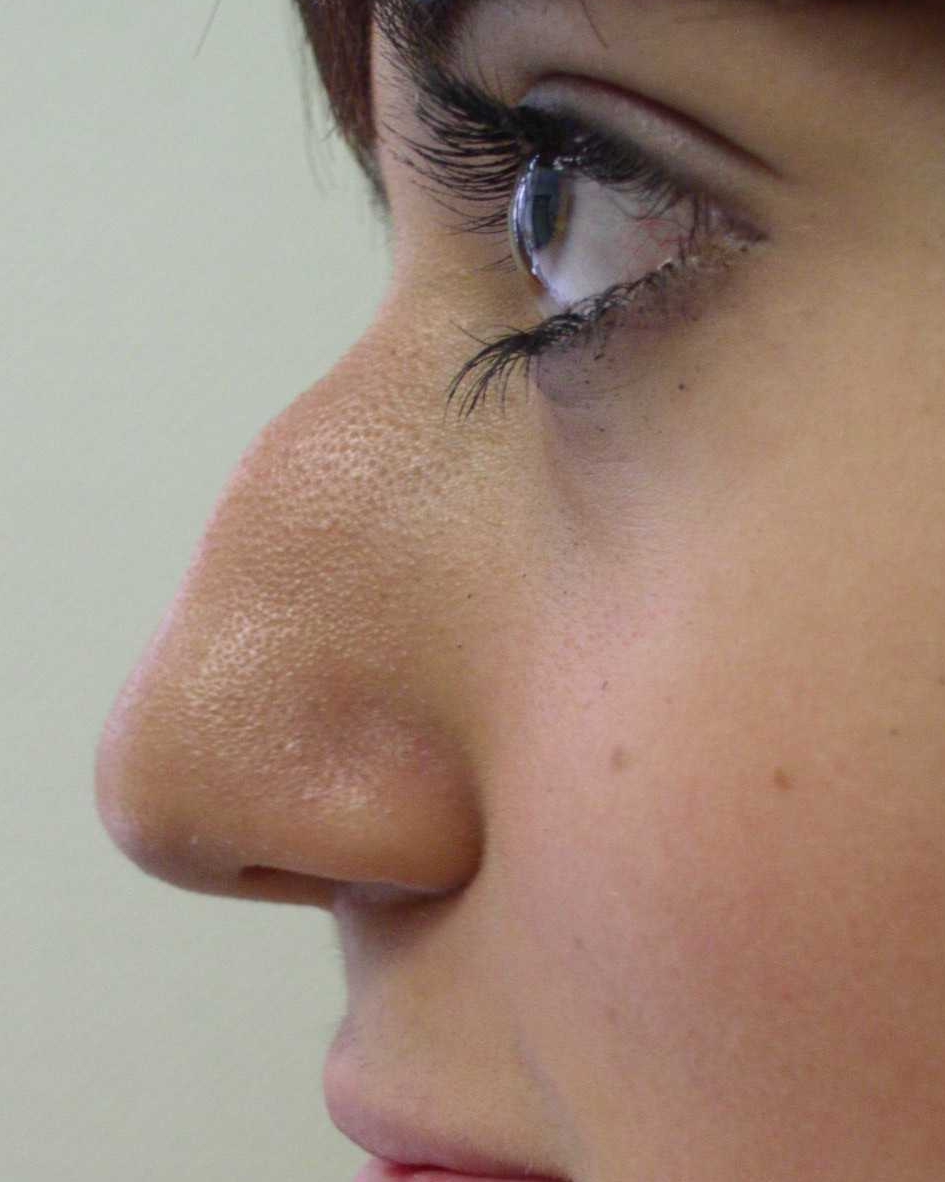 WorldAquiline nose
A human nose with a prominent bridge that curves or bends slightly.Nose
 WorldNasion
A natural dip in the bone structure between the eyes and the top of the nose.Nose
 WorldNostril
The two openings of the nose that allow air to enter and leave the body.Nose · Most faces
🇮🇱 Israel and 2 moreButton nose
A small, rounded nose with an upturned tip.Nose · Most faces