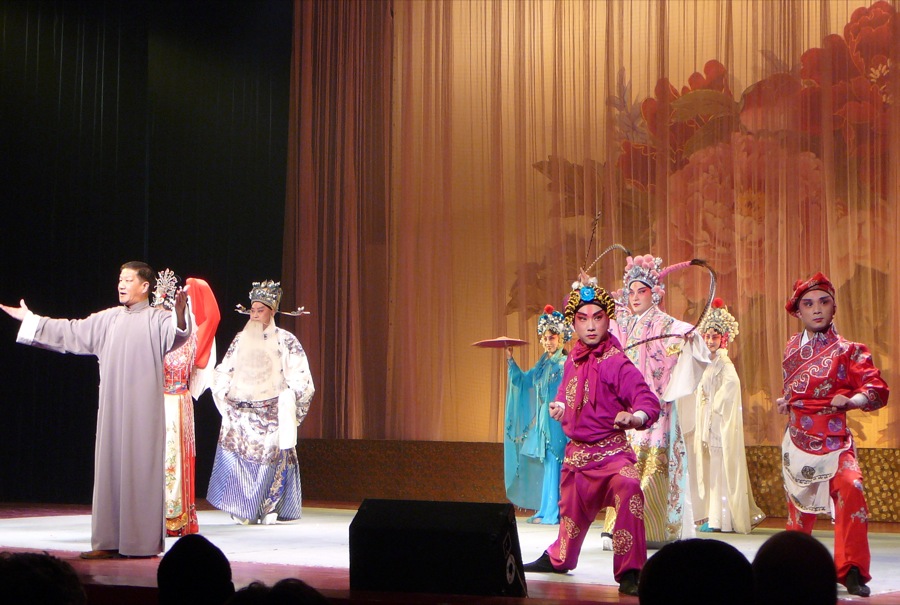
Peking opera makeup
Symbolic face paint for Chinese opera roles.
Peking opera uses elaborate, colorful face paint to define character types on stage. This tradition began in Beijing during the mid-Qing dynasty and remains a key visual element of the art form.
- Uses elaborate, colorful face paint for characters
- Originated in Beijing around 1790
- UNESCO Intangible Cultural Heritage since 2010
- Features four main role types with distinct looks
- Popularized globally by performer Mei Lanfang
What it is
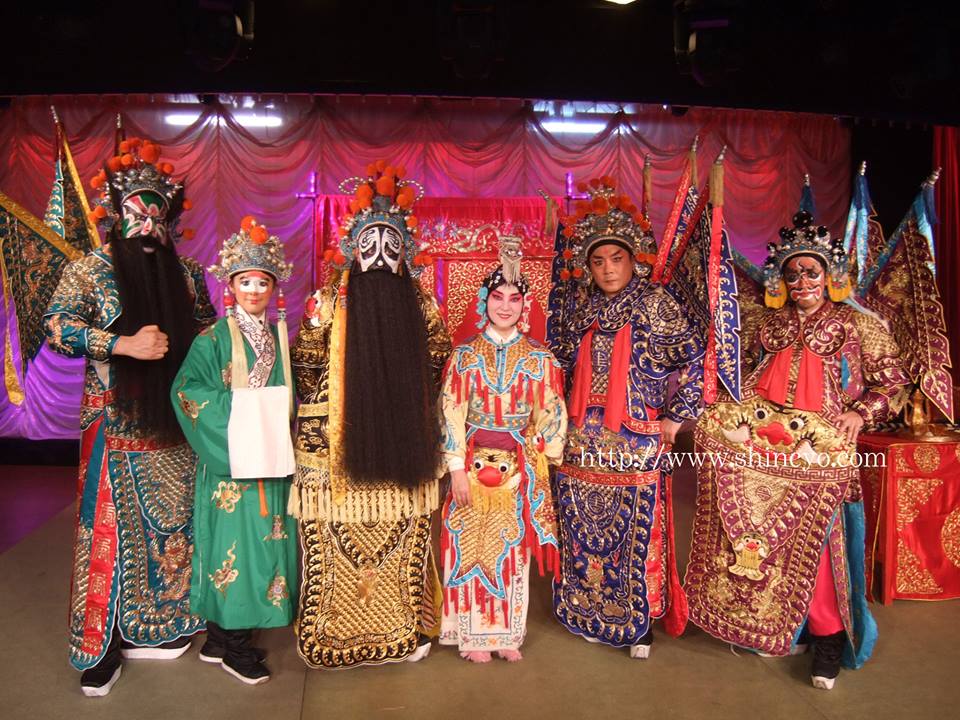
Peking opera features distinctive facial makeup that helps audiences identify character types. The designs are elaborate and use bright colors to convey personality traits and moral standing. Performers apply these patterns according to strict stylistic conventions. The makeup transforms the actor into the role, with specific designs for gentlemen, women, rough men, and clowns. The visual impact is central to the performance, as the stage itself is often sparse. Each movement and expression must align with the painted mask, creating a unified symbolic language. The art form relies on this visual coding to guide viewers through complex historical and folkloric plots without realistic sets.
History and origin
The art form arose in Beijing during the mid-Qing dynasty, around 1790. It developed from a combination of Hui opera and other regional styles like Kunqu and Qinqiang. By the mid-19th century, it had become fully recognized and popular in the imperial court. Empress Dowager Cixi was a notable patron in the late 1800s. During the Cultural Revolution, traditional forms were suppressed in favor of revolutionary operas. After the 1970s, traditional makeup and styles were restored. In recent decades, troupes have experimented with new designs, including Western-style elements, to attract modern audiences while preserving core traditions.
What it means
The makeup serves as a visual shorthand for character nature. Colors and patterns indicate whether a figure is heroic, treacherous, or comedic. This system allows audiences to navigate the plot quickly. It reflects a long tradition of symbolic performance in Chinese culture. The designs are not merely decorative but carry specific narrative weight. In Taiwan, the art form holds political symbolism as a marker of cultural heritage. Globally, it represents a distinct aesthetic tradition that values stylization over realism. The preservation of these designs is considered vital to maintaining the integrity of the opera.
Styling and care
Performers apply heavy, colorful paints to create the required masks. The process is intricate and follows established patterns for each role type. Jing characters, or rough men, often have the most complex designs. Modern adaptations sometimes incorporate Western-style makeup techniques or new face paint designs. Traditional upkeep involves careful application and removal to protect the skin. The makeup must withstand vigorous physical movement, including martial arts and acrobatics. Stylists ensure the designs remain clear and vibrant under stage lighting. Recent reforms have seen some troupes shorten performances, but the visual style remains largely traditional.
In culture
Peking opera is regarded as a cultural treasure of China. It was inscribed on the UNESCO Representative List of the Intangible Cultural Heritage of Humanity in 2010. Famous performers like Mei Lanfang helped popularize the art abroad, touring Japan, the United States, and the Soviet Union. The makeup and costumes are focal points in albums documenting stage culture. Television channels in mainland China dedicate airtime to classic productions. The art form continues to influence contemporary theater and remains a subject of academic study in universities worldwide.


Questions people ask about Peking opera makeup
What do the colors in Peking opera makeup mean?
The colors and patterns are symbolic, helping audiences identify character traits such as heroism, treachery, or comedy. They serve as a visual code rather than realistic representation.
When did Peking opera originate?
It arose in Beijing in 1790 when Anhui troupes performed for the Qianlong Emperor. It became fully developed and recognized by the mid-19th century.
Is Peking opera makeup still used today?
Yes, it remains a central element of performances. While some modern troupes experiment with new designs, traditional patterns are still widely used and preserved.
Good reading and sources
The facts on this page come from the Wikipedia article "Peking opera", written by its contributors and used under the CC BY-SA 4.0 licence, and from its Wikidata record (CC0). EveryFaceShape rewrote the text in its own words, with AI assistance, and compares every page with the article to make sure no passage is copied. It may be reused under the same CC BY-SA 4.0 licence with a link back.
It may contain mistakes, and figures change over time. Nothing here is investment or buying advice. If something is wrong, tell us. Last refreshed 2026-11-15.
Like Peking opera makeup
All makeup and face art 🇬🇧 United Kingdom and 2 moreLipstick
A pigmented cosmetic applied to the lips for colour and texture.Makeup · 1884
 🇺🇸 United States and 1 moreEye shadow
Cosmetic pigment applied to eyelids to define and accentuate the eyes.Makeup · Most faces · 1910
 🇯🇵 JapanOshiroi
Traditional Japanese white face makeup for kabuki actors and geisha.Makeup · 1934
 🇯🇵 JapanOhaguro
A Japanese tradition of blackening teeth with iron and tannins.Makeup · 1000