
Oshiroi
Traditional Japanese white face makeup for kabuki actors and geisha.
Oshiroi is a rice-based powder foundation used by kabuki performers, geisha, and maiko. Historically containing lead, it was banned in 1934 and replaced with safer ingredients to create the distinctive pale look.
- Banned white lead in 1934 due to poisoning risks.
- Unpainted nape signifies erotic appeal in Japanese culture.
- Kabuki actors apply thick layers for stage visibility.
- Eri-ashi and sanbon-ashi are neck pattern styles.
- Rice powder replaces lead in modern formulations.
What it is
Oshiroi serves as a foundational cosmetic layer for Japanese performing arts and traditional entertainment figures. The substance appears as a stark white coating across the skin. It is prepared by combining rice powder with water until reaching a precise texture. If the mixture holds too much liquid, it fails to adhere smoothly. Artists apply this base over facial wax primers using wide brushes. The result creates a uniform, bright surface that contrasts sharply with drawn features.
History and origin
This makeup style predates modern foundation adoption in Japan. Early formulations relied on white lead, which caused severe health issues including poisoning. Authorities prohibited white lead usage in cosmetics during 1934. Following this ban, practitioners shifted to safer alternatives like rice powder. Some users now apply oshiroi over contemporary foundations for touch-ups. The technique evolved from daily wear to specialized artistic application within cultural sectors.
What it means
The appearance carries deep cultural significance regarding status and eroticism. For geisha and maiko, leaving the nape of the neck unpainted signals attractiveness. Specific patterns denote experience levels. Eri-ashi shows two triangular strips of bare skin, while sanbon-ashi displays three stripes. Younger apprentices often wear lighter applications. Senior geisha reserve heavy makeup for performances. The style reflects hierarchy within entertainment districts and adherence to regional customs.
Styling and care
Application demands precision and varies by occasion. Geisha blend the powder with blusher for natural tones. Maiko may add eyeliner later in training. Kabuki actors apply thick layers for stage visibility. Previous makeup can be painted over due to opacity. Stencils help create symmetrical neck patterns. Mentors often assist younger apprentices with initial applications. Regional differences influence thickness and accessory use like red eyeliner.
In culture
Oshiroi defines the visual identity of kabuki theatre and geisha houses. It appears in bijin-ga art depicting beautiful women. The makeup allows actors to maintain character continuity during quick changes. District mothers dictate specific styling rules. The aesthetic persists as a marker of traditional Japanese performance arts. Modern audiences recognize the stark white face as iconic to these cultural institutions.

Questions people ask about Oshiroi
What is oshiroi made from?
It is primarily a rice powder foundation mixed with water. Historically, it contained white lead, which caused poisoning. After the 1934 ban, safer rice-based ingredients became standard for creating the white finish.
Why do geisha leave their neck unpainted?
Leaving the nape of the neck exposed is traditionally considered erotic in Japanese culture. Geisha and maiko wear patterns like eri-ashi or sanbon-ashi to reveal specific strips of skin on the back of the neck.
How does kabuki makeup differ from geisha makeup?
Kabuki actors apply oshiroi very thickly to ensure visibility from distant seats. Geisha and maiko typically blend it more lightly with blusher. Actors can also paint over previous makeup quickly because the powder is opaque.
Who applies oshiroi to maiko?
Younger apprentices often have their makeup applied by senior mentors or the okā-san of the geisha house. This assistance helps manage the difficult consistency required for proper application during early training stages.
Good reading and sources
The facts on this page come from the Wikipedia article "Oshiroi", written by its contributors and used under the CC BY-SA 4.0 licence, and from its Wikidata record (CC0). EveryFaceShape rewrote the text in its own words, with AI assistance, and compares every page with the article to make sure no passage is copied. It may be reused under the same CC BY-SA 4.0 licence with a link back.
It may contain mistakes, and figures change over time. Nothing here is investment or buying advice. If something is wrong, tell us. Last refreshed 2026-11-15.
Like Oshiroi
All makeup and face art 🇯🇵 JapanOhaguro
A Japanese tradition of blackening teeth with iron and tannins.Makeup · 1000
 🇺🇸 United States and 1 moreEye shadow
Cosmetic pigment applied to eyelids to define and accentuate the eyes.Makeup · Most faces · 1910
 🇬🇧 United Kingdom and 2 moreLipstick
A pigmented cosmetic applied to the lips for colour and texture.Makeup · 1884
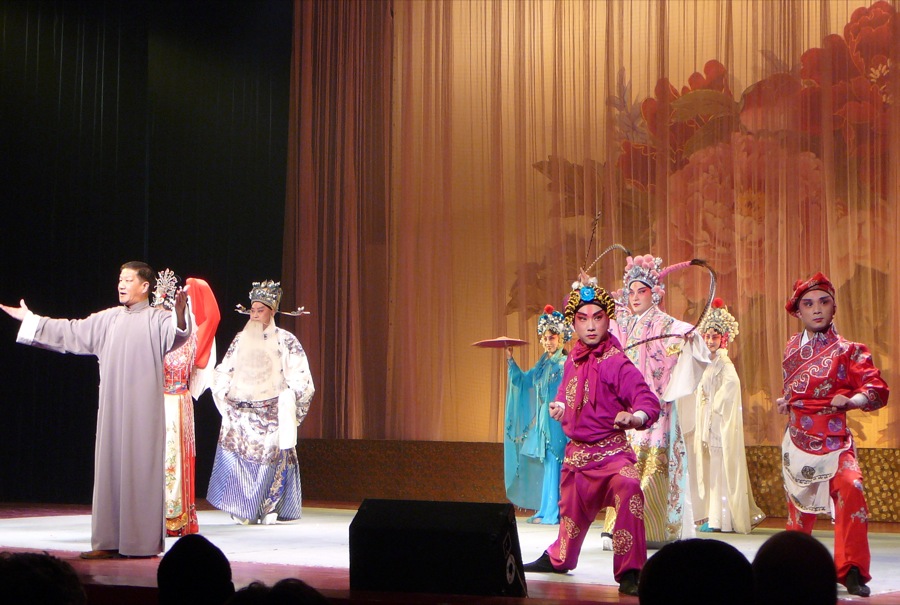 🇨🇳 ChinaPeking opera makeup
Symbolic face paint for Chinese opera roles.Makeup · 1790