History
Fashions of the past and famous faces. 90 face guides on EveryFaceShape so far.
Face fashions of the past show how much ideals change: the kohl-lined eyes of ancient Egypt, the shaved and repainted brows of Heian Japan, the white lead ceruse and silk beauty patches of Renaissance and eighteenth-century Europe, the whiskers of the Victorians, and the monocle and pince-nez. Each was once ordinary, and each says something about its time.
Old ideals
Egyptian men and women lined their eyes with kohl more than 5,000 years ago. Heian court women in Japan removed their brows and painted new ones high on the forehead, and blackened their teeth. In Europe, Elizabeth I is pictured with a face whitened by ceruse, which contained lead. In eighteenth-century France, silk mouches imitated beauty marks.
Whiskers and frames
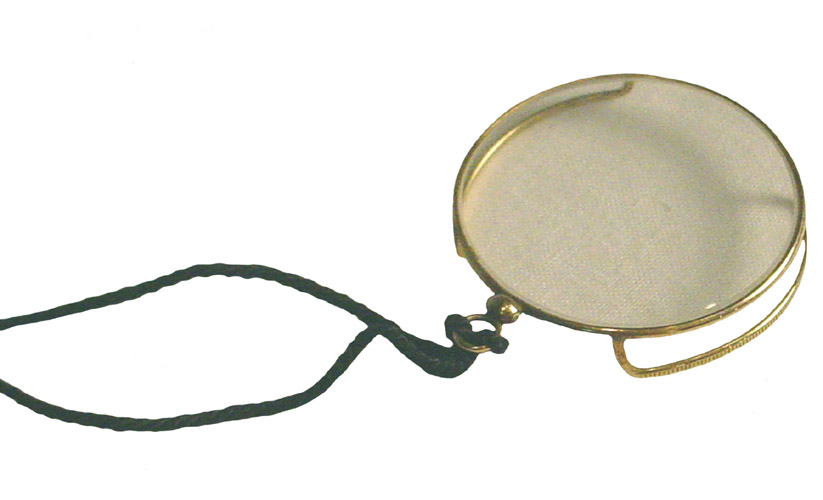
In the nineteenth century sideburns, mutton chops and full beards became the norm for European and American men, and armies required moustaches. Pince-nez and monocles were the fashionable eyewear. The clean-shaven face spread in the twentieth century with safety razors and the First World War. The toothbrush moustache, popular early in the century, became rare after the Second World War.
Famous history face guides



Still to be written: Venetian ceruse.
Further reading

Photo credits on this page
The small pictures above come from Wikimedia Commons under free licences. Some are cropped to fit.
- Beauty mark: Ian Smith, CC BY-SA 2.0, source
- Ohaguro: Utagawa Kunisada, Public domain, source
- Hikimayu: Unknown author, Public domain, source
- Pince-nez: Łeba, CC BY 3.0, source
- Monocle: Sobebunny, CC BY-SA 3.0, source
- Toothbrush moustache: Trailer screenshot, Public domain, source
- Beard: @nazanin, CC0, source