Nath
Traditional nose ornament worn in South Asia and the Middle East.
The Nath is a nose ring with roots in the Middle East and South Asia, dating back four thousand years. It serves as a marker of marital status, wealth, and cultural identity, particularly for brides in India and Nepal.
- Originated in the Middle East over 4000 years ago.
- Symbolises marital status and fertility in Hindu tradition.
- Mughal era introduced intricate gemstone designs.
- Ayurveda links left nostril piercing to reproductive health.
- Worn by brides across India and Nepal.
What it is
The Nath is a form of nose jewellery, ranging from small studs to large hoops. It is typically worn on the left nostril in South Asian traditions. Designs vary from simple metal rings to elaborate pieces set with pearls, diamonds, or rubies. Some styles include a chain that connects the nose ring to the ear or hair. The ornament rests on the curve of the nose and is a visible part of facial adornment.
History and origin
Archaeological records trace nose ornaments to the Middle East over four millennia ago. Ancient texts mention them as symbols of prosperity. The Indus Valley Civilization also adopted early forms. In the sixteenth century, Mughal patronage introduced intricate craftsmanship and precious stones to Indian nose jewellery. This era transformed the piece from a simple marker into a statement of royal prestige. Bedouin tribes in North Africa and the Middle East used large pins to display wealth and tribal identity.
What it means
In Hindu culture, the Nath symbolises marital status and fertility. It is often linked to Goddess Parvati, representing devotion and conjugal harmony. For many brides, wearing it is a rite of passage and a blessing for their new life. Folklore suggests it protects against the evil eye. In some communities, it signifies a woman’s transition into adulthood, often pierced during early adolescence or before marriage.
The science
Ayurvedic tradition holds that the left nostril connects to the female reproductive system. Piercing this side is believed to stimulate pressure points that may ease menstrual pain or aid childbirth. However, no scientific documents currently support these health claims. The practice remains rooted in traditional belief rather than clinical evidence.
In culture
Regional styles reflect local aesthetics. The Maharashtrian Nath is crescent-shaped and gold-heavy. Rajasthani versions are bold and gem-encrusted, often part of the sixteen bridal adornments. Bengali Phuls are floral motifs. Bollywood actors have popularised various styles on screen, blending traditional looks with modern fashion. The ornament now appears in global bohemian and punk styles as well.
Questions people ask about Nath
Why is the Nath worn on the left nostril?
Indian tradition and Ayurveda suggest the left nostril connects to the female reproductive system. Wearing the ring there is believed to offer therapeutic benefits for menstrual discomfort and childbirth, though this lacks scientific proof.
What does the Nath symbolise in Indian culture?
It primarily represents marital status, fertility, and feminine strength. It is also seen as a tribute to Goddess Parvati and a protective amulet against the evil eye for brides.
How did the design of the Nath evolve?
Early forms were simple markers of wealth. During the Mughal era in the sixteenth century, designs became more intricate, incorporating precious gemstones, pearls, and delicate chains, reflecting royal patronage.
Good reading and sources
There is no English Wikipedia article on Nath yet, so the facts on this page come from the sources listed above: shethepeople.tv/lifestyle/nose-pins-history-in-india-rich-history-of-n, bridestoday.in/fashion/story/a-sacred-legacy-inside-the-journey-of-the, brut.media/in/articles/the-story-of-the-nath-from-bridal-tradition-to-. Some are the subject's own pages, so its claims about itself are reported as its claims. EveryFaceShape wrote the text in its own words, with AI assistance, and compares it with the sources to make sure no passage is copied.
It may contain mistakes, and figures change over time. Nothing here is investment or buying advice. If something is wrong, tell us. Last refreshed 2026-11-15.
Like Nath
All adornment WorldNose jewellery
Ornaments worn through nostril or septum piercings.Adornment · Most faces
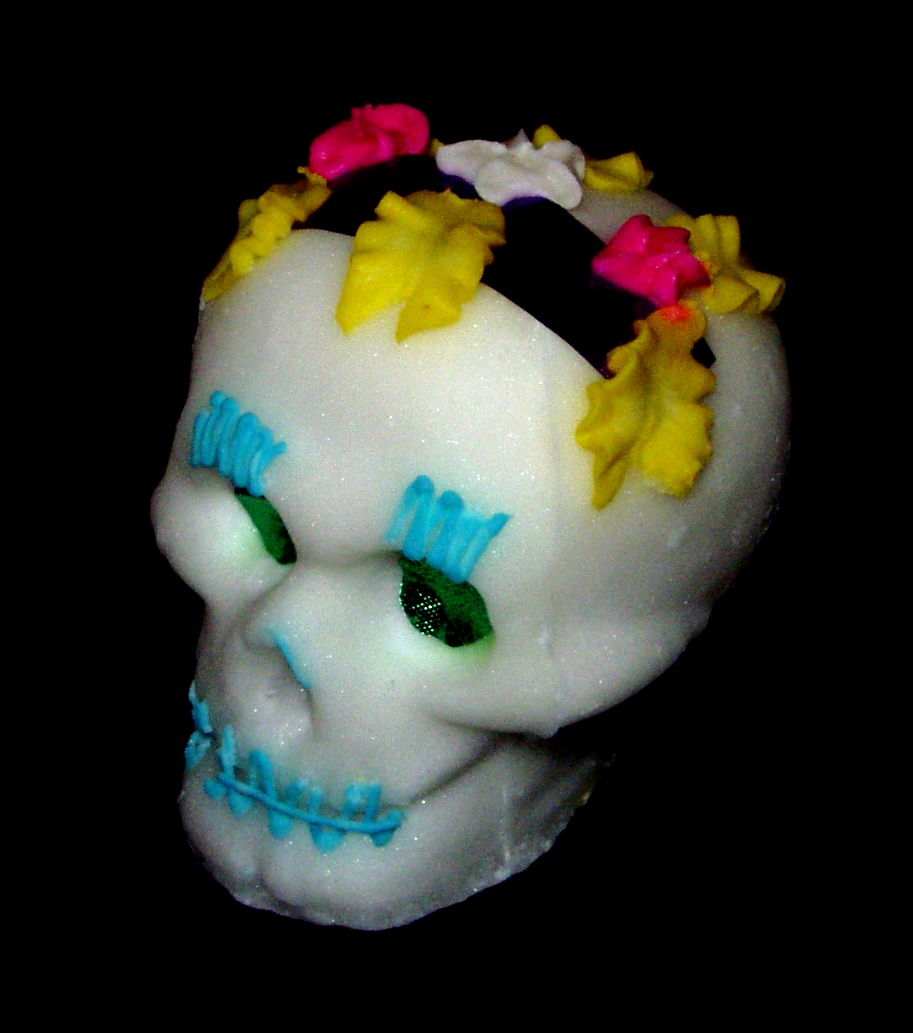 🇲🇽 MexicoCalavera
Decorative or edible skulls made for the Mexican Day of the Dead.Adornment
 🇮🇳 India and 4 moreBindi
A coloured dot worn on the forehead in South and Southeast Asia.Adornment · Most faces
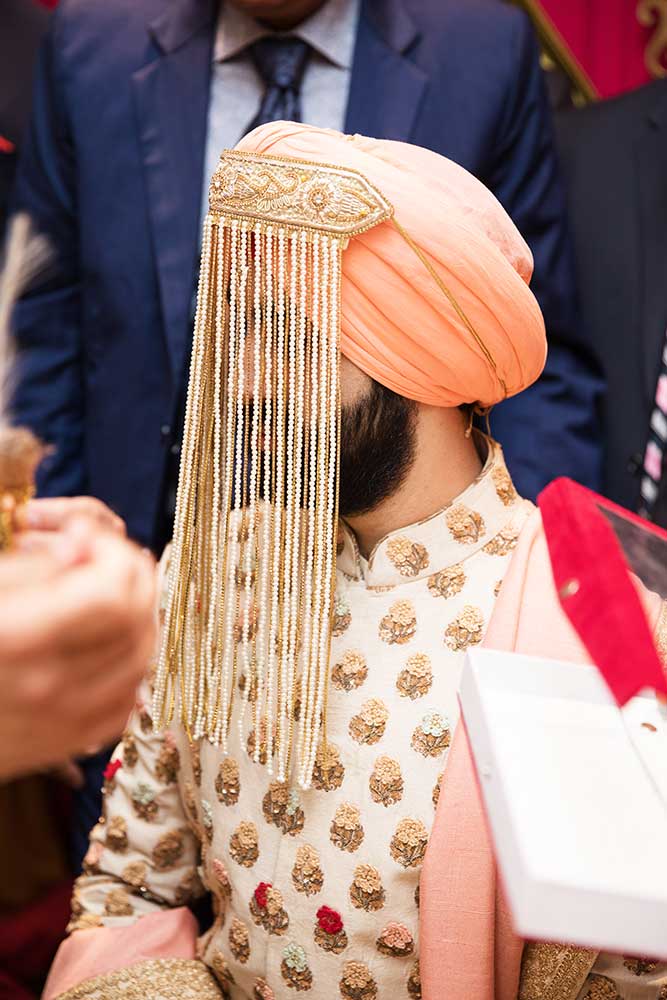 🇮🇳 IndiaSehra
A floral or beaded forehead garland for grooms.Adornment · Most faces