Maang tikka
A traditional South Asian forehead ornament worn along the hair parting.
The maang tikka is a piece of jewellery resting on the central hair partition. It holds cultural and spiritual significance in South Asia, particularly for brides in North India. The style blends ancient tradition with modern fashion, evolving from royal courts to contemporary runways while retaining its symbolic role.
- Rests along the central hair parting
- Symbolises wisdom and feminine energy
- Influenced by Mughal jewellery styles
- Popular in North Indian bridal wear
- Adapted for modern fashion runways
What it is
The maang tikka is a decorative ornament that rests along the central parting of the hair, known as the maang. It typically features a chain that sits on the scalp and a pendant that hangs on the forehead. Designs range from heavy, layered pieces with kundan and pearls to sleek, minimal chains with single stones. This adornment is instantly recognisable in South Asian culture, serving as both a fashion statement and a traditional symbol. It sits at the centre of the face, drawing attention to the forehead and eyes.
History and origin
Origins trace back to ancient India, where jewellery linked to spirituality and status. The Mughal era significantly shaped current styles, introducing intricate settings like polki and crescent shapes. Historically prominent in Rajasthan, Punjab, and Uttar Pradesh, as well as parts of Pakistan, it was a key element of royal and bridal attire. Over time, it evolved from strict ritual use to a broader fashion accessory, appearing on runways and at festivals while keeping its traditional roots.
What it means
In Ayurveda, the central hair partition is seen as the seat of wisdom and intuition. The ornament symbolises the union of feminine energy and emotional balance. For brides, especially in North India, it represents prosperity, love, and new beginnings. It remains a powerful marker of identity and heritage, blending spiritual belief with aesthetic expression. Wearing it connects the individual to a long lineage of cultural practice and ceremonial importance.
Styling and care
Traditional styling involves elaborate teekas with kundan or uncut diamonds for weddings. Modern interpretations include lighter, versatile designs with coloured gemstones or minimal chains. It pairs well with soft waves, buns, or layered matha pattis for maximalist looks. Contemporary wearers might choose delicate pieces for intimate ceremonies or bold statements for couture events. The trend now favours adaptability, allowing the piece to fit both grand occasions and casual festive dressing.
In culture
The maang tikka appears frequently in Indian bridal fashion and media. Celebrities like Janhvi Kapoor and Alia Bhatt have showcased various styles, from heirloom pieces to modern accents. It features in music festivals and runway shows, highlighting its shift from purely ceremonial to fashionable. The ornament remains central to Indian adornment, reflecting a blend of heritage and personal style. Its presence in popular culture reinforces its enduring appeal across generations.
Questions people ask about Maang tikka
Where does the maang tikka originate?
It originates from ancient India, with significant stylistic influences from the Mughal era. It has deep roots in regions like Rajasthan, Punjab, and Uttar Pradesh, where it became a staple of bridal and royal jewellery traditions.
What is the spiritual meaning of the maang tikka?
In Ayurveda, the central hair parting is considered the seat of wisdom and intuition. The ornament symbolises the union of feminine energy and emotional balance, representing prosperity and new beginnings for brides.
How has the style of maang tikka changed over time?
While traditional designs feature heavy kundan and pearls, modern versions include sleek silhouettes and minimal chains. Contemporary brides often choose lighter, versatile pieces for intimate ceremonies, blending heritage with current fashion trends.
Good reading and sources
There is no English Wikipedia article on Maang tikka yet, so the facts on this page come from the sources listed above: bridestoday.in/watches-and-jewellery/story/inside-the-regal-rich-histo, dawn.com/news/amp/1240766. Some are the subject's own pages, so its claims about itself are reported as its claims. EveryFaceShape wrote the text in its own words, with AI assistance, and compares it with the sources to make sure no passage is copied.
It may contain mistakes, and figures change over time. Nothing here is investment or buying advice. If something is wrong, tell us. Last refreshed 2026-11-15.
Like Maang tikka
All adornment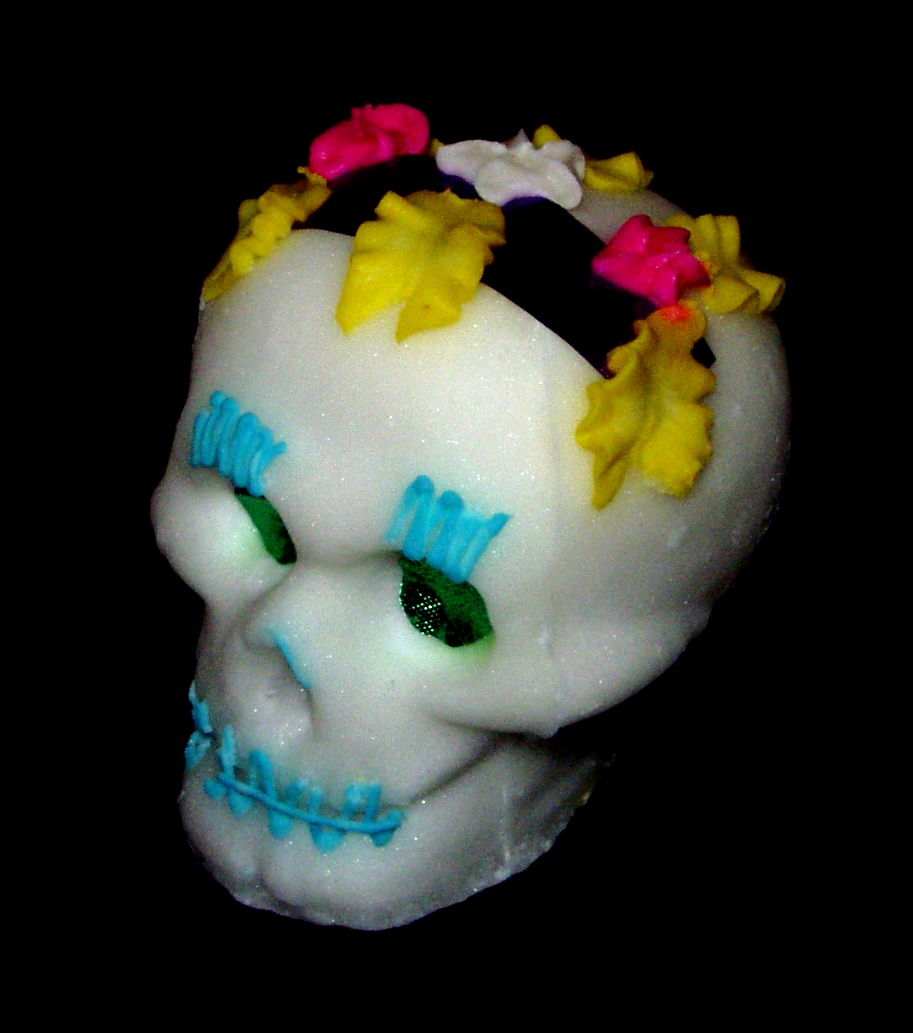 🇲🇽 MexicoCalavera
Decorative or edible skulls made for the Mexican Day of the Dead.Adornment
 WorldNose jewellery
Ornaments worn through nostril or septum piercings.Adornment · Most faces
🇮🇳 India and 1 moreNath
Traditional nose ornament worn in South Asia and the Middle East.Adornment · Most faces
 🇮🇳 India and 4 moreBindi
A coloured dot worn on the forehead in South and Southeast Asia.Adornment · Most faces