
Battoulah
A metallic fashion mask worn by women in the Persian Gulf region.
The battoulah is a face covering made of metal mesh. It is worn by married women in Bahrain, Kuwait, Oman, Qatar and the UAE. Historically it helped women avoid unwanted attention.
- It is a metallic mesh face mask worn in the Persian Gulf.
- Usually indicates the wearer is married.
- Historically used to disguise women as men.
- Styles vary by city, such as Zabeel or Al Ain cuts.
- Origin may trace back to Gujarat in the late 18th century.
What it is
The battoulah is a traditional face mask worn by women in the Persian Gulf area. It looks like a piece of metal mesh or foil. The design covers the lower face but leaves the eyes visible through small holes. Styles vary by city. The Zabeel cut has a narrow top and wide bottom. The Al Ain design is narrow at both ends. Omani versions are large and cover the forehead. Iranian variants use red or black cloth with gold details.
History and origin
The exact origin of this mask is unknown. Some believe it came from Gujarat to the Arabian Peninsula in the late eighteenth century. Bedouin oral tradition credits the Mutayr tribe with its creation around 1870. A story tells of a woman who used a cloth mask to reject an unwanted marriage proposal. This act inspired others to wear similar coverings. Later, women used the mask to disguise themselves as men to fool enemy spies.
What it means
Wearing this mask usually signals that the woman is married. It serves as a cultural marker within Khaleeji Arab and Bandari Persian Muslim communities. Historically, it provided privacy and protection from unwanted gazes. In some regions, it was used for tactical deception against invaders. Today, younger generations wear it less often, marking a shift in social customs.
Styling and care
Women wear the battoulah over their clothing. It is secured around the head. Different regions prefer specific shapes. Dubai and Abu Dhabi residents favor the Zabeel cut. Sharjah styles tilt forward. Omani masks extend beyond the forehead. Iranian Shia women wear red rectangular masks. Sunni women in southern Iran choose black or indigo with gold trim. The mask is paired with loose garments for full coverage.
In culture
The battoulah appears in Bedouin poetry and oral histories. It represents female agency in rejecting forced marriages. The mask is part of the broader Gulf burqa tradition. It distinguishes local identity from neighboring niqab styles in Saudi Arabia. Variants exist across cities like Bahrain and Qatar. The practice reflects deep roots in regional heritage and social norms.


Questions people ask about Battoulah
What does the battoulah look like?
It is a mask made of metal mesh or foil. It covers the nose and mouth but has holes for the eyes. Designs vary by region, including narrow tops or broad curves.
Who wears the battoulah?
Married women in Bahrain, Kuwait, Oman, Qatar and the UAE wear it. Some women in eastern Saudi Arabia and southern Iran also use similar masks.
Why did women start wearing it?
Tradition says a woman created it to reject an unwanted marriage. It also helped women hide their identity from enemies or spies in historical times.
Are there different styles?
Yes. The Zabeel cut is wide at the bottom. The Al Ain design is narrow at both ends. Omani versions are larger and cover the forehead.
Good reading and sources
The facts on this page come from the Wikipedia article "Battoulah", written by its contributors and used under the CC BY-SA 4.0 licence, and from its Wikidata record (CC0). EveryFaceShape rewrote the text in its own words, with AI assistance, and compares every page with the article to make sure no passage is copied. It may be reused under the same CC BY-SA 4.0 licence with a link back.
It may contain mistakes, and figures change over time. Nothing here is investment or buying advice. If something is wrong, tell us. Last refreshed 2026-11-15.
Like Battoulah
All adornment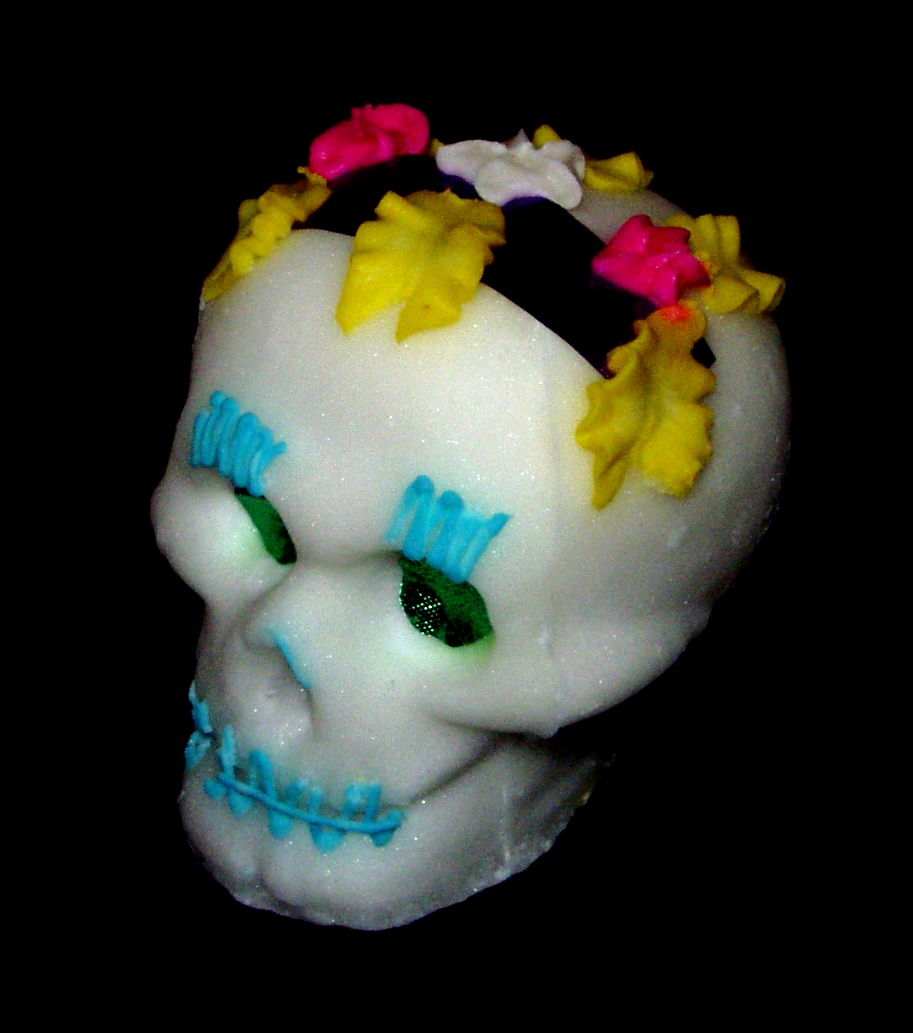 🇲🇽 MexicoCalavera
Decorative or edible skulls made for the Mexican Day of the Dead.Adornment
 🇮🇳 India and 4 moreBindi
A coloured dot worn on the forehead in South and Southeast Asia.Adornment · Most faces
 WorldNose jewellery
Ornaments worn through nostril or septum piercings.Adornment · Most faces
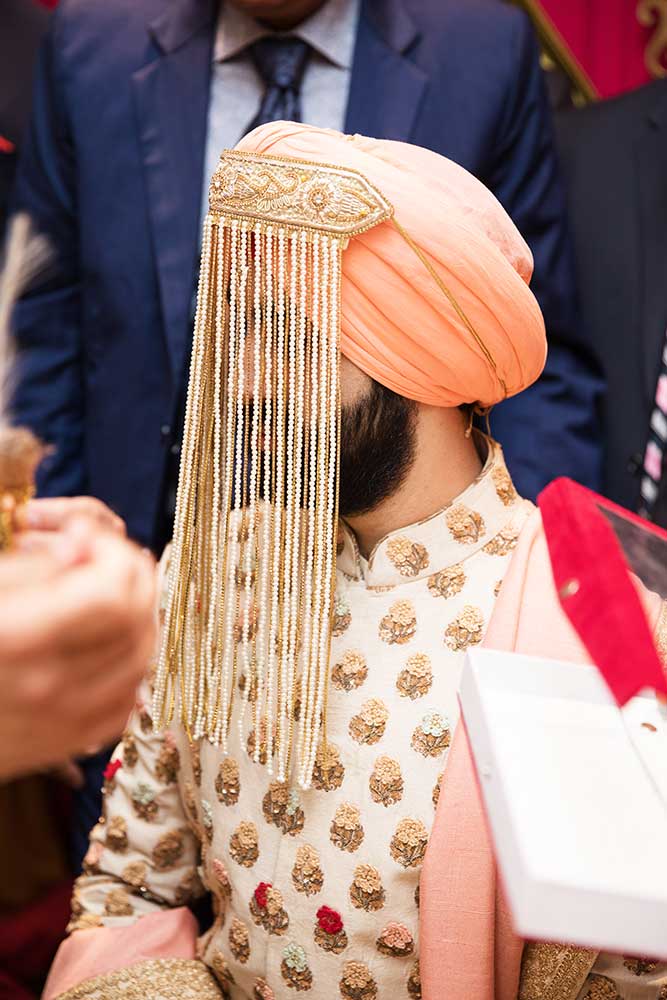 🇮🇳 IndiaSehra
A floral or beaded forehead garland for grooms.Adornment · Most faces