
Unibrow
A single eyebrow formed by hair meeting above the nose bridge.
A unibrow is a facial feature where eyebrows converge into one line. It occurs naturally through genetics or is created artificially for cultural beauty standards in regions like Oman and Tajikistan.
- Linked to the PAX3 gene in genetics.
- Prized as beautiful in Oman and Tajikistan.
- Term monobrow first printed in 1968.
- Frida Kahlo made it a famous artistic trait.
- Often removed by plucking in Europe and US.
What it is
A unibrow, medically termed synophrys, is a single eyebrow formed when hair from both sides meets above the bridge of the nose. The hair matches the colour and thickness of the rest of the eyebrows, creating an uninterrupted line. This feature is a normal part of human variation. It can occur naturally due to genetics or be created artificially using makeup or herbal treatments. The term describes the visual convergence of hair rather than a specific medical condition, although it is associated with certain genetic traits.
History and origin
The word monobrow first appeared in printed text in 1968. The adjective monobrowed followed in 1973 within Martin Amis' novel The Rachel Papers. The term unibrow saw its first known use in 1981. While the terminology is relatively recent in English, the feature itself has existed throughout human history. Cultural attitudes towards it have varied significantly across different regions and time periods, shifting from signs of beauty to targets for removal depending on local fashion and tradition.
What it means
Perceptions of the unibrow vary widely by region. In parts of the Middle East and Central Asia, it is prized as a sign of beauty. Baluchi Omani women may draw a black line to mimic one, while some in Tajikistan use usma herb extract or kohl. Conversely, in Europe and the Americas, it is often viewed as undesirable. Many people in these regions remove the hair through plucking, shaving, or waxing. These differing views highlight how beauty standards are culturally constructed rather than universal.
The science
The unibrow is a genetic trait linked to the PAX3 gene. Rare mutations in this gene can cause Waardenburg syndrome type 1, where eighty-five percent of patients present with a unibrow. It is also a recognized feature of Cornelia De Lange syndrome and many other developmental disorders. Despite these associations, a unibrow is primarily a normal human variation. It appears in approximately eleven point eight seven percent of the Omani population, indicating its prevalence in certain groups without underlying pathology.
In culture
Several public figures are known for their unibrows. Artist Frida Kahlo famously depicted hers in self-portraits. Modern figures include model Sophia Hadjipanteli, actor Omar Ayuso, and athlete Anthony Davis. Their visibility challenges Western beauty norms that favour separated brows. In contrast, traditional practices in Oman and Tajikistan actively celebrate the look. Women in these cultures may use makeup or natural dyes to enhance or create the appearance, treating it as an aesthetic ideal rather than a flaw to be corrected.


Questions people ask about Unibrow
Is a unibrow a medical condition?
No, it is a normal human variation. While it can be associated with genetic conditions like Waardenburg syndrome, most unibrows are simply a natural trait linked to the PAX3 gene and do not indicate any health issue.
Why do some people fake a unibrow?
In cultures like those in Oman and Tajikistan, a unibrow is considered a sign of beauty. Women may use kohl, kajal, or usma herb extract to draw a line between their brows to mimic this attractive feature.
How common is the unibrow?
Prevalence varies by population. A study found it in nearly twelve percent of the Omani population. It is a common genetic trait worldwide, though grooming habits in Europe and the Americas often hide its natural occurrence.
What is the medical name for a unibrow?
The medical term for a unibrow is synophrys. It describes the condition where the eyebrows meet in the middle above the bridge of the nose, forming a single continuous line of hair.
Good reading and sources
- Why it’s finally cool to have a monobrowThe Guardian, Article
- Life on the “Roof of the World”BBC, Article
The facts on this page come from the Wikipedia article "Unibrow", written by its contributors and used under the CC BY-SA 4.0 licence, and from its Wikidata record (CC0). EveryFaceShape rewrote the text in its own words, with AI assistance, and compares every page with the article to make sure no passage is copied. It may be reused under the same CC BY-SA 4.0 licence with a link back.
It may contain mistakes, and figures change over time. Nothing here is investment or buying advice. If something is wrong, tell us. Last refreshed 2026-11-15.
Like Unibrow
All eyebrows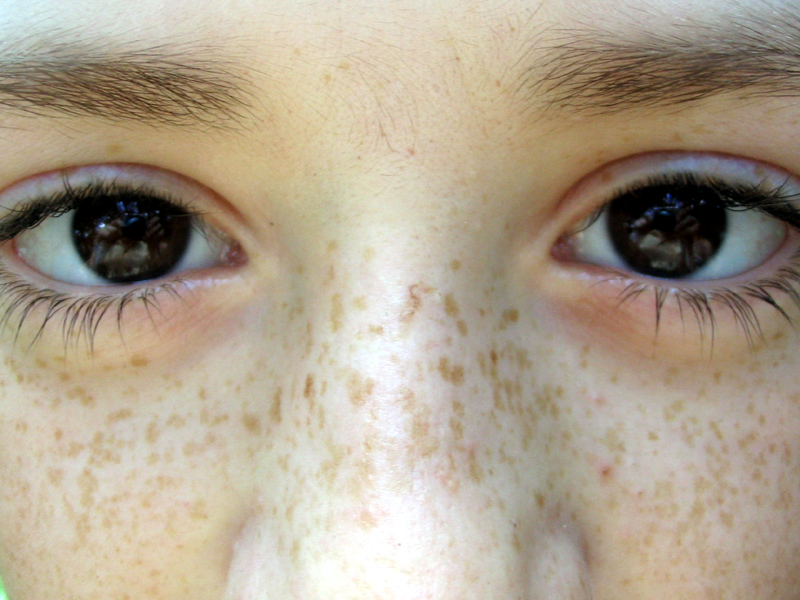 WorldFreckles
Small clusters of concentrated melanin on the skin.Skin · Most faces
 WorldBeauty mark
A dark facial mark, natural or applied, worn for adornment.Skin · Most faces
 WorldBlushing
The involuntary reddening of the face caused by emotional stress.Skin
 WorldEyebrow
Short terminal hairs above the eye that protect the socket and aid facial expression.Brows