Kajal
Traditional eye darkener used across cultures for adornment and protection.
Kajal is a fine black powder or paste applied to the eyes, known globally as kohl or surma. It serves as adornment, sun protection, and cultural marker in regions from India to Ancient Egypt.
- Known as kohl, surma, or collyrium globally
- Used by ancient Egyptians for sun protection
- Homemade versions use soot from almonds or neem
- Essential for Indian classical dance eye makeup
- Stored in traditional brass pots called surmedani
What it is
Kajal is a traditional substance used to darken the eyes. It appears as a fine black powder or a moist, viscous paste. People apply it to the waterline or eyelids using a stick or fingertips. It is known by many names, including kohl, surma, and collyrium, depending on the region and language.
History and origin
The practice dates back to ancient civilisations. Egyptians used it for adornment and protection from sun glare. Ancient Emirati women were buried with pottery containing kohl. In India, texts note its use during Diwali festivals. The word kohl likely derives from the Arabic term for staining. It has been traded and used across Persia, West Africa, Rome, and Greece for centuries.
What it means
Kajal holds deep cultural value beyond aesthetics. Families apply it to strengthen eyes or ward off evil spirits. It is an essential part of Indian classical dance costumes, such as Bharatnatyam and Kathakali, to enlarge the appearance of the eyes. The object used to store it, often a brass pot, becomes a family heirloom, marking intimate traditions and history.
Styling and care
Traditional application involves a long stick called a suramchi. Users coat the stick with powder and drag it across the lower waterline. Homemade versions involve burning almonds or neem twigs to collect soot. This soot is mixed with ghee or mustard oil to create a paste. Modern users may apply it with fingertips for a softer look.
In culture
The substance features prominently in South Asian material culture. Brass containers, known as surmedani, are passed down through generations. These objects often show signs of age and oxidation, valued for their history. The practice connects modern users to ancestors who prepared the mixture at home using natural ingredients like neem and almond.
Questions people ask about Kajal
What is the difference between kajal and kohl?
They refer to the same type of eye darkener. The name changes based on region and language. Kohl is common in Arabic contexts, while kajal and surma are used in India and Persia.
How was traditional kajal made at home?
Families burned almonds or neem twigs wrapped in cotton. They collected the resulting soot on a spoon or earthen cover. This soot was then mixed with ghee or mustard oil to form a paste.
Why do dancers use heavy kajal?
Indian classical dancers use it to embellish their eyes. The dark lines make the eyes appear larger and more expressive, which is important for conveying emotion in dance forms like Kathakali.
Good reading and sources
There is no English Wikipedia article on Kajal yet, so the facts on this page come from the sources listed above: museumofmaterialmemory.com/glow-of-the-grime/. Some are the subject's own pages, so its claims about itself are reported as its claims. EveryFaceShape wrote the text in its own words, with AI assistance, and compares it with the sources to make sure no passage is copied.
It may contain mistakes, and figures change over time. Nothing here is investment or buying advice. If something is wrong, tell us. Last refreshed 2026-11-15.
Like Kajal
All makeup and face art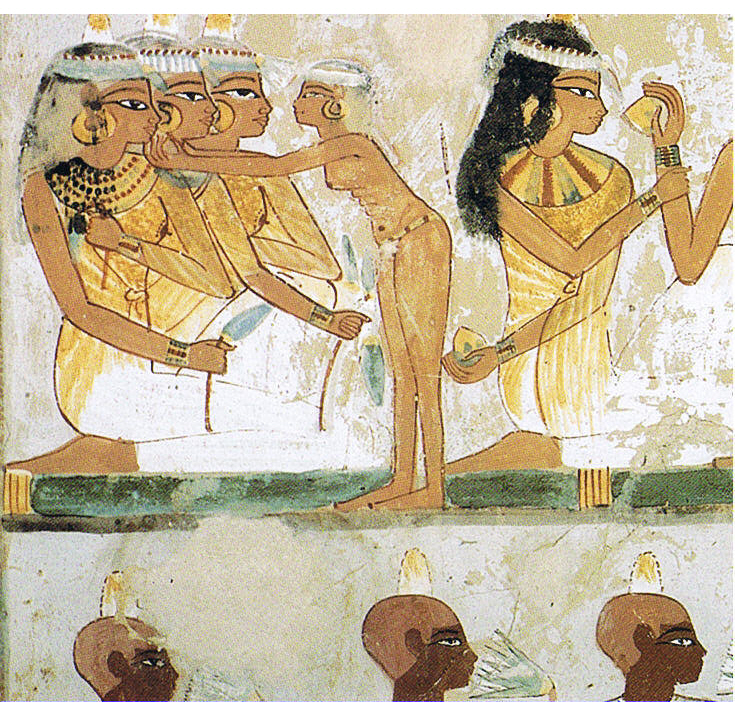 WorldEyeliner
Cosmetic applied around the eye contours to define shape.Makeup · Most faces
 🇮🇳 IndiaKumkum
Red forehead powder used for religious and social markings in India.Adornment · Most faces
 🇮🇳 India and 4 moreBindi
A coloured dot worn on the forehead in South and Southeast Asia.Adornment · Most faces
🇺🇸 United StatesSeminole face paint
Traditional Seminole facial markings for ceremony and war.Makeup · Most faces