
GI glasses
Government-issued eyewear for US military recruits, known by dysphemisms like BCGs.
These frames were originally designed for World War II gas mask compatibility and remain standard issue for US service members during initial training. They are provided at no cost to recruits until they qualify for personal prescription eyewear or contact lenses later in their service.
- Originally designed for World War II gas mask compatibility.
- Nicknamed birth control glasses due to their plain appearance.
- Rochester Optical manufactures the current R-5A frame exclusively.
- Mandatory for certain exercises where contacts are not allowed.
- Similar plastic frames are used in some prison systems.
What it is
GI glasses refer to the standard eyeglasses distributed by the United States military to its personnel. These frames are typically made of cellulose acetate plastic rather than metal wire. Common colours include gray, black, and brown. The design is utilitarian, featuring simple lens shapes such as P3, S9, and the modern 5A. They are often associated with new recruits undergoing basic training or Officer Candidate School. Dysphemistic nicknames like birth control glasses highlight their perceived lack of style among service members.
History and origin
The original design emerged during World War II to allow soldiers to wear eyeglasses comfortably under gas masks. This early version used nickel alloy wire and cable temples. Following the war, materials shifted to cellulose acetate. Gray frames were initially standard but were replaced by black versions in 1968. Later updates included brown frames and a smaller unisex shape called the 5A. Rochester Optical currently holds the exclusive contract for manufacturing the modern R-5A frame.
What it means
Within the military culture, these glasses symbolize the transition from civilian life to service. They are mandatory for specific exercises where contact lenses are prohibited. The widespread use of derogatory terms reflects a common sentiment that the frames are unattractive. Despite this, they serve a critical functional purpose for vision correction during training phases. The glasses represent a standardized government provision rather than a fashion choice.
Styling and care
Recruits receive these glasses at government expense during their initial training period. Service members may wear civilian glasses until the official issue is assigned. After completing recruit training, personnel can switch to Frame of Choice glasses or contact lenses. The military provides annual replacements for those who qualify. Additional options include tinted lenses and inserts for ballistic eyewear or gas masks.
In culture
The term birth control glasses has become deeply embedded in American military vernacular. Similar non-metal frames are also issued to inmates in state and federal prisons. The history of these glasses is documented in works such as Four Eyes: Eyeglasses and the WWII US GI. Various manufacturers including Bausch & Lomb and Randolph Engineering have produced them over the decades.


Questions people ask about GI glasses
Why are they called birth control glasses?
This is a dysphemistic nickname used by service members. It highlights the perception that the frames are unattractive and utilitarian. The term became common slang within the military community.
Can I wear contact lenses instead of GI glasses?
Contact lenses are never permissible for certain training exercises. Recruits must wear the issued glasses during these specific drills. After training, personnel may choose to wear contacts if permitted.
Who makes the modern GI glasses?
Rochester Optical is the exclusive manufacturer of the current R-5A frame. Previous versions were produced by companies like Bausch & Lomb and ArtCraft.
Are GI glasses only for the Army?
No, they are issued by the American military generally. The US Navy specifically referred to them as Standard Navy Ugly Glasses. All branches use similar frames for recruit training.
Good reading and sources
The facts on this page come from the Wikipedia article "GI glasses", written by its contributors and used under the CC BY-SA 4.0 licence, and from its Wikidata record (CC0). EveryFaceShape rewrote the text in its own words, with AI assistance, and compares every page with the article to make sure no passage is copied. It may be reused under the same CC BY-SA 4.0 licence with a link back.
It may contain mistakes, and figures change over time. Nothing here is investment or buying advice. If something is wrong, tell us. Last refreshed 2026-11-15.
Like GI glasses
All eyewear frames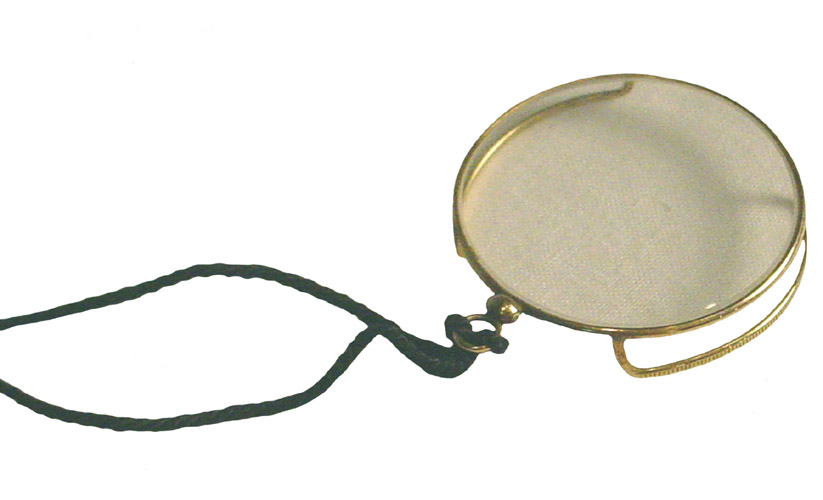 🇩🇪 GermanyMonocle
A single corrective lens held in the eye socket by one eye.Frame · Most faces · 1830
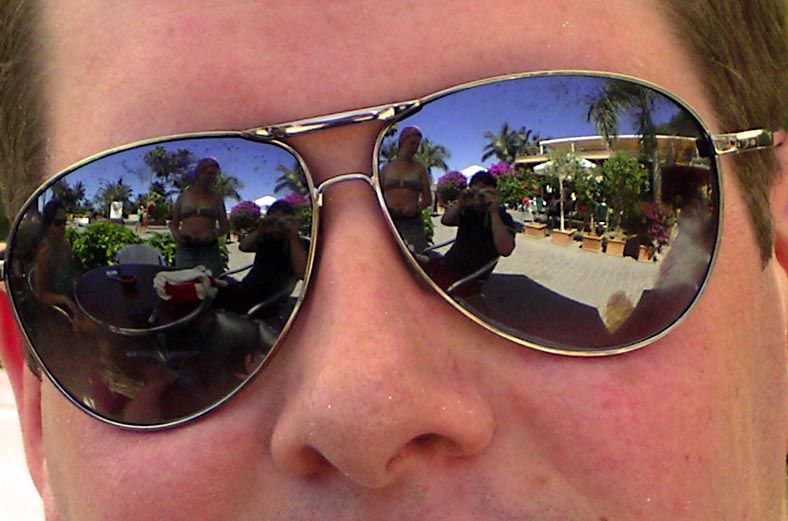 🇺🇸 United StatesAviator sunglasses
Teardrop-lensed eyewear designed for pilots and adapted for fashion.Frame · Most faces · 1937
 WorldShooting glasses
specialized corrective eyewear for sport shooting competitionsFrame · Most faces
 WorldGlasses
Vision eyewear with lenses in a frame for correction, protection, or fashion.Frame · Most faces
