
Bug-eye glasses
Large-lensed eyewear from the late twentieth century
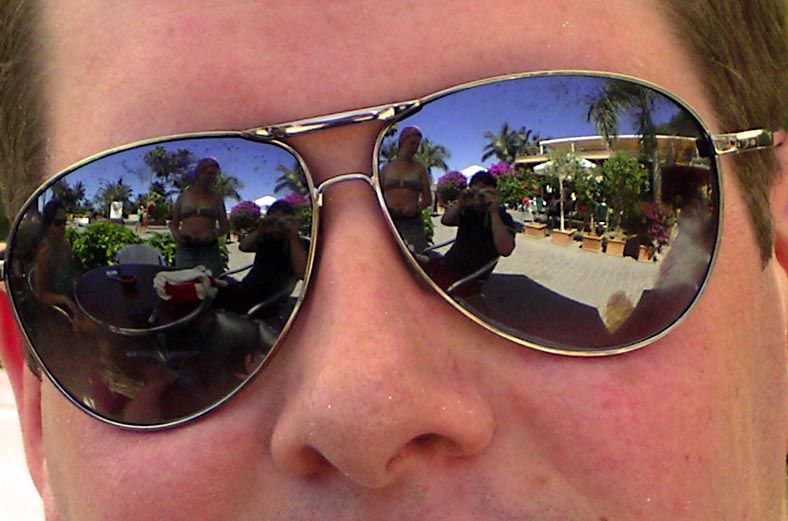
Bug-eye glasses are a style of eyewear defined by oversized lenses that cover the entire eye. They rose to prominence in the mid-1970s and remained popular through the 1990s for both vision correction and sun protection.
- Lenses are large enough to cover the entire eye
- Popular from the mid-1970s through the 1990s
- Evolved from square shapes to rounder styles
- Worn by Audrey Hepburn and Sophia Loren
- Succeeded cat-eye glasses of the 1950s
What it is
Bug-eye glasses are defined by their substantial lens size, which is large enough to completely cover the eye area. This design distinguishes them from standard frames. The lenses were often tinted, serving as sunglasses or regular vision aids. The shape evolved over time, starting as a squarer form in the 1970s before becoming rounder and larger in the 1980s. This style creates a bold visual statement due to the dominance of the lens over the facial features.
History and origin
This style first gained widespread popularity in the mid-1970s, succeeding the cat-eye frames that dominated the 1950s and 1960s. Throughout the 1980s and 1990s, they remained a common choice for both men and women. Their prevalence began to wane as eyewear became more affordable and accessible, leading to diverse options. By the 2000s, thick-rimmed rectangular glasses replaced them as the dominant trend. Today, the sunglass variant retains some fashion relevance.
What it means
Originally a unisex fashion item, bug-eye glasses signified modern style during their peak decades. They were worn by notable figures in film and society, linking the style to glamour and public visibility. In contemporary times, the traditional clear-lens version is often associated with older demographics. However, the oversized aesthetic persists in modern eyewear, where it is adapted with current design elements to offer UV protection and a personalised look.
Styling and care
These frames suit a wide range of face shapes due to their generous proportions. They were historically worn by both genders. Modern iterations of oversize frames draw inspiration from this era, blending the classic large-lens silhouette with trendy concepts. Stylists note that the look enhances personal style while providing practical sun protection. The transition from square to rounder shapes allowed for varied aesthetic preferences within the same broad category.
In culture
Prominent wearers include Audrey Hepburn, Jacqueline Kennedy Onassis, Sophia Loren, Paris Hilton, Nicole Richie, and Victoria Beckham. Their adoption by such figures cemented the style's place in fashion history. The glasses appear in cultural memories of the late twentieth century, representing a specific era of bold accessory choices. While the clear-lens variant has shifted in perception, the sunglasses form continues to influence current eyewear trends.

Questions people ask about Bug-eye glasses
What defines bug-eye glasses?
They are distinguished by lenses that are large enough to cover the entire eye. This oversized design was used for both regular prescription glasses and sunglasses, often featuring tinted lenses.
When were bug-eye glasses most popular?
They first became popular in the mid-1970s and remained fashionable through the 1980s and 1990s. Their popularity declined later as eyewear options became more diverse and affordable.
Who are some famous wearers of this style?
Notable individuals who wore bug-eye glasses include Audrey Hepburn, Jacqueline Kennedy Onassis, Sophia Loren, Paris Hilton, Nicole Richie, and Victoria Beckham, spanning several decades.
Good reading and sources
- Bug-eye glasses on WikipediaEncyclopedia
- More photos on Wikimedia CommonsPhotos
- Wikidata recordOpen data
The facts on this page come from the Wikipedia article "Bug-eye glasses", written by its contributors and used under the CC BY-SA 4.0 licence, and from its Wikidata record (CC0). EveryFaceShape rewrote the text in its own words, with AI assistance, and compares every page with the article to make sure no passage is copied. It may be reused under the same CC BY-SA 4.0 licence with a link back.
It may contain mistakes, and figures change over time. Nothing here is investment or buying advice. If something is wrong, tell us. Last refreshed 2026-11-15.
Like Bug-eye glasses
All eyewear frames 🇺🇸 United StatesBrowline glasses
Eyeglass frames with a bold upper rim resembling eyebrows.Frame · Most faces · 1947
 🇺🇸 United StatesAviator sunglasses
Teardrop-lensed eyewear designed for pilots and adapted for fashion.Frame · Most faces · 1937
 🇩🇪 Germany and 2 morePanto glasses
Rounded-oval frames with a flat top edge.Frame · Most faces · 1932
 WorldCat eye glasses
Eyewear with an upsweep at the outer corners of the frame.Frame · Most faces · 1931
