
Godna
Traditional tribal face and body tattooing from India
Godna is an ancient tattoo art form practiced by women in tribal communities across Northern and Central India. The tradition has spread to the Caribbean through diaspora communities who maintain these cultural practices.
- Exclusive to women in tribal communities
- Depicts nature, mythology, and daily life
- Practiced by over thirty Scheduled Tribe groups
- Found in Indian diaspora communities in the Caribbean
- Indicates wealth, status, or marital subjugation
What it is
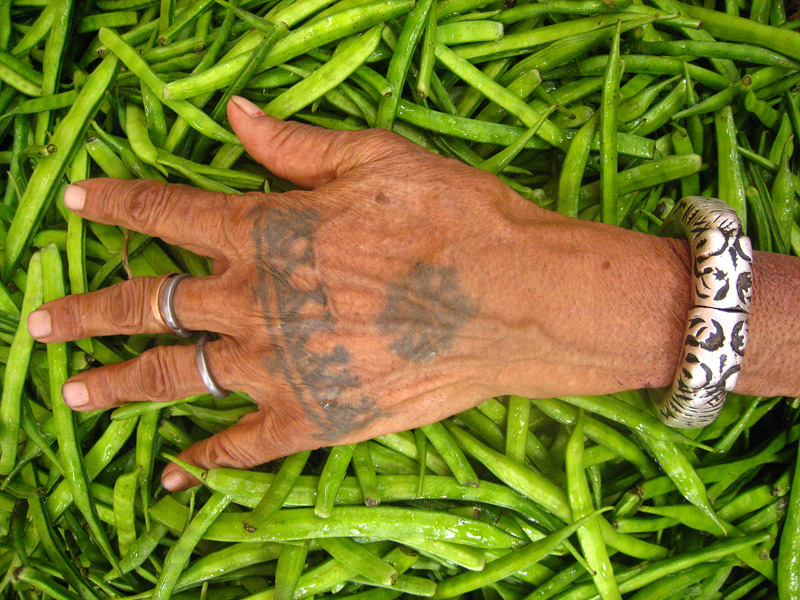
Godna refers to a traditional tattooing practice exclusive to women within specific tribal groups. The artwork features detailed patterns and bright pigments that illustrate elements from the natural world, mythological stories, and aspects of everyday existence. This marking serves as a permanent cultural identifier passed down through generations among various Scheduled Tribe communities.
History and origin
The practice originated centuries ago among tribal populations in India, holding connections to Hindu traditions. It was maintained by numerous groups including Baigas, Oraons, and Santals. During colonial times, indentured servants transported to British and Dutch plantations carried this custom to Guyana and Suriname, where descendants continue the tradition today.
What it means
For some communities like the Bhunjias, these marks hold spiritual significance believed to persist after death. In other contexts, Godna indicates social standing or wealth. Within Caribbean Indian diaspora communities, the tattoos were historically linked to marriage requirements and symbolised a wife's submission to her husband.
In culture
The tradition faces modern challenges as some Baiga women stop getting tattoos due to pain associated with the process. Additionally, external prejudice exists where outsiders view the markings as primitive or outdated, creating tension between cultural preservation and contemporary perceptions.



Questions people ask about Godna
What does Godna look like?
It features intricate designs using vivid colours. The patterns typically depict elements from nature, mythological figures, or scenes from daily life, created as permanent skin markings.
Who practices Godna?
It is exclusively practiced by women belonging to various tribal communities in Northern and Central India, including groups such as the Baigas, Oraons, and Santals.
Where is Godna found outside India?
The tradition exists in the Caribbean, particularly in Guyana and Suriname. These communities descend from Indian indentured servants who brought the practice during colonial plantation labour periods.
What is the significance of Godna?
Meanings vary by group. Some believe it offers spiritual continuity after death. Others use it to show wealth or status. In the Caribbean, it historically signified marriage eligibility and wifely submission.
Good reading and sources
The facts on this page come from the Wikipedia article "Godna", written by its contributors and used under the CC BY-SA 4.0 licence, and from its Wikidata record (CC0). EveryFaceShape rewrote the text in its own words, with AI assistance, and compares every page with the article to make sure no passage is copied. It may be reused under the same CC BY-SA 4.0 licence with a link back.
It may contain mistakes, and figures change over time. Nothing here is investment or buying advice. If something is wrong, tell us. Last refreshed 2026-11-15.
Like Godna
All face tattoos and markings 🇲🇲 MyanmarTattooing in Myanmar
Traditional body art of Myanmar's ethnic groups, marking strength and identity.Marking
 WorldFace tattoo
Ink designs on the face or head from traditional customsMarking
 🇳🇿 New ZealandTā moko
Traditional permanent facial and body markings of the Māori people of New Zealand.Marking
 🇳🇬 Nigeria and 2 moreYoruba tribal marks
Scarification patterns used by the Yoruba people for identity and beauty.Marking