
Bian lian
A Sichuan opera technique where performers change masks or colours instantly to show emotion.
Bian lian is a dramatic art form within Chinese Sichuan opera. Performers switch between vividly coloured masks or apply greasepaint using fans, head movements, or dust to alter their appearance in an instant.
- Techniques include blowing dust, pulling masks, and dragging paint.
- Colors like red, green, blue, and black express specific emotions.
- Traditionally taught only to males within families.
- Secrets leaked during a 1986 tour of Japan.
- Part of the broader Sichuan opera tradition.
What it is
Bian lian, meaning face-changing, is a performance technique used in Sichuan opera. Actors wear bright costumes and use quick gestures with fans or hands to swap masks or change facial colours. The masks often depict well-known characters. Changes happen so fast they appear instantaneous. Techniques include blowing black dust to obscure the face, dragging greasepaint from sideburns, or pulling hidden masks from the top of the head. Each colour represents a specific feeling: red for happiness, green for hate, blue for anger, and black for sadness. Beards can also change colour from black to grey to white to show excitement.
History and origin
The art was created by ancient opera artists and kept secret within families. Traditionally, only men learned it because women were expected to marry out, risking the secret leaving the family. In 1986, a visit to Japan led to a leak of the secrets. By the mid-2000s, the art appeared internationally on shows like America's Got Talent. Some performers, like Candy Chong and Du Li Min, are women who have mastered the craft. There is debate over whether the techniques are protected by secrecy laws, though officials deny this.
What it means
The changing faces express strong emotions such as anger, excitement, happiness, hate, and sadness. It is a key part of the cultural identity of Sichuan opera. For international audiences, performers try to explain the context since the meanings of the different faces are not widely known outside China. The art serves as both entertainment and a visual language for character states.
Styling and care
Performers must master specific methods like blowing dust, manipulating beards, pulling down masks, or dragging paint. The masks are brightly colored and typically represent famous characters. The speed of the change relies on precise movements of the head, hand, or fan. Learning the technique is difficult, and even those who know the secret may not fully master the physical execution.
In culture
Bian lian is featured in Sichuan opera, a major Han Chinese art form. It has appeared in media such as The World's Greatest Magic and Penn & Teller's Magic and Mystery Tour. The 1996 film The King of Masks directed by Wu Tianming highlights the tradition. Performers like Peng Denghuai are considered masters, while others like Andy Lau have attempted to learn the techniques.
Questions people ask about Bian lian
What does bian lian mean?
It means face-changing. It is a dramatic art form within Sichuan opera where actors instantly switch masks or change facial colours using fans, head movements, or hidden paint.
How do performers change their faces?
They use four main methods: blowing black dust, manipulating beard colours, pulling down hidden masks, or dragging greasepaint from sideburns. These actions happen quickly with hand or head movements.
Who can learn bian lian?
Traditionally, only males learned it to keep secrets within families. However, women like Candy Chong and Du Li Min have become popular performers by learning from family members.
Where did this art originate?
It originated among Han Chinese opera artists in the Sichuan region. It is an important part of Sichuan opera, which is popular in eastern and central Sichuan, Chongqing, Guizhou, and Yunnan.
Good reading and sources
The facts on this page come from the Wikipedia article "Bian lian", written by its contributors and used under the CC BY-SA 4.0 licence, and from its Wikidata record (CC0). EveryFaceShape rewrote the text in its own words, with AI assistance, and compares every page with the article to make sure no passage is copied. It may be reused under the same CC BY-SA 4.0 licence with a link back.
It may contain mistakes, and figures change over time. Nothing here is investment or buying advice. If something is wrong, tell us. Last refreshed 2026-11-15.
Like Bian lian
All makeup and face art 🇨🇳 ChinaJing
A Chinese opera role for mighty men, defined by heavy face painting.Makeup
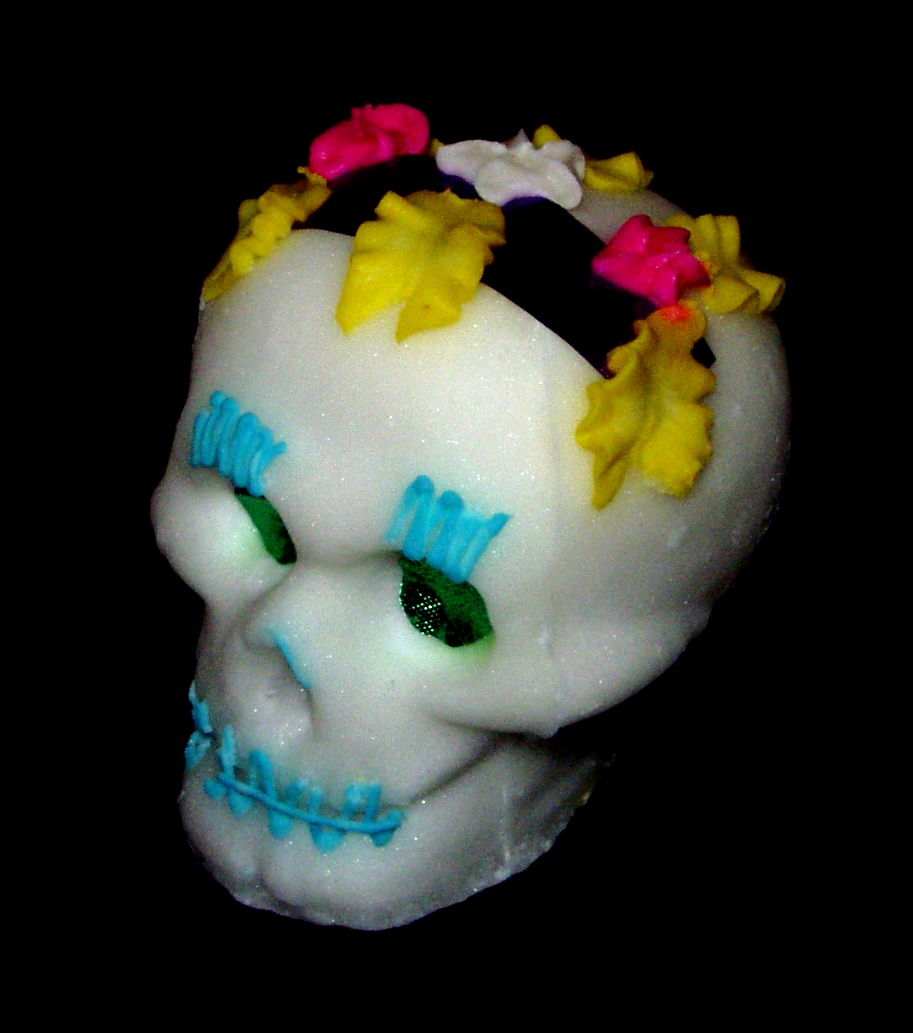 🇲🇽 MexicoCalavera
Decorative or edible skulls made for the Mexican Day of the Dead.Adornment
 🇯🇵 JapanHikimayu
A pre-modern Japanese practice of removing natural eyebrows and painting new ones on the forehead.Makeup
 WorldTeardrop tattoo
A tear-shaped mark placed under the eye with varied cultural meanings.Adornment