
Chinstrap beard
A narrow line of hair tracing the jaw from ear to ear.
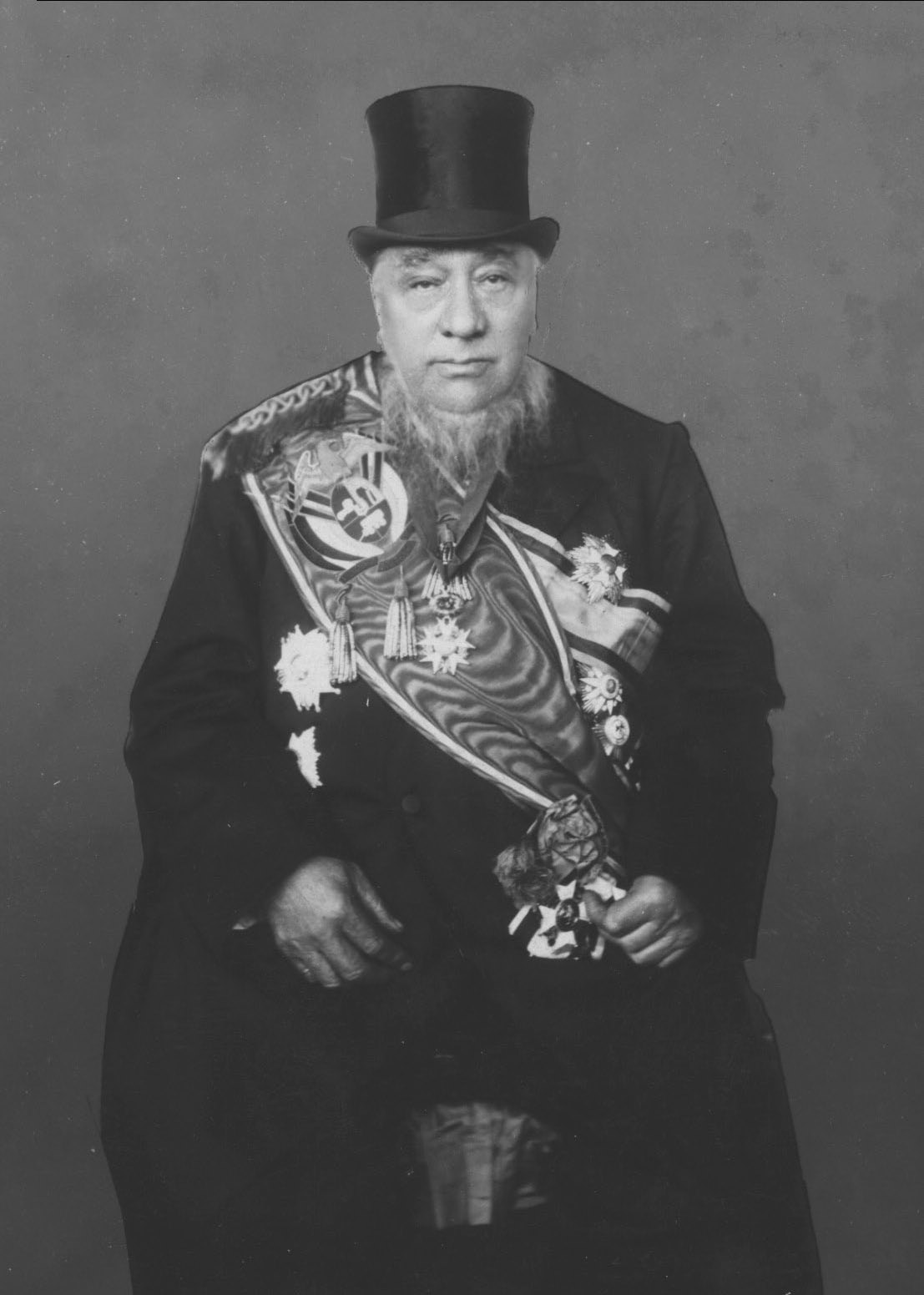
This facial hair style traces the jawline from one sideburn to the other, leaving the chin and cheeks bare. It lacks a moustache. Popular in Europe during the 19th century, it remains a choice for modern athletes and musicians seeking a defined look.
- Traces the jawline from sideburn to sideburn.
- Typically worn without a moustache.
- Popular in Europe from late 18th to mid-19th century.
- Worn by figures like Paul Kruger and Lewis Hamilton.
- Distinct from the chin curtain by leaving the chin centre bare.
What it is
The chinstrap beard is a specific style of facial hair. It runs along the jawline, connecting the sideburns on one side of the face to those on the other. The hair follows the lower edge of the jaw and the very edges of the chin. Crucially, the centre of the chin remains clean-shaven. There is typically no moustache, as this area is also shaved. This creates a distinct strap-like appearance that frames the lower face without covering the cheeks or the main part of the chin. It differs from the chin curtain, which covers the entire chin area.
History and origin
This style gained popularity in Europe during the late 18th century. It remained fashionable through the mid-19th century. Its influence spread beyond Europe to Russia and Japan during this period. Many notable figures from this era adopted the look, including politicians, military leaders, and artists. In more recent times, the style has seen a revival among contemporary public figures. It is no longer confined to historical contexts but appears in modern sports and music scenes.
What it means
In the 19th century, facial hair became common in military and political spheres. The chinstrap was one of several accepted styles for men in service and leadership. Today, it serves as a personal style choice rather than a marker of status or profession. It allows individuals to define their jawline visually. The style is associated with both historical gravitas and modern athletic or artistic identity, depending on the wearer.
Styling and care
To achieve this look, one must grow hair along the jawline and sideburns. The cheeks, the centre of the chin, and the upper lip require regular shaving. Precision is key to maintaining the narrow line along the jaw. The moustache is completely removed. This style requires consistent upkeep to keep the lines sharp and the bare areas clean. It suits various face shapes by emphasizing the jaw structure.
In culture
Historical wearers include Henry David Thoreau, the philosopher, and Richard Wagner, the composer. Paul Kruger, president of the Transvaal Republic, also wore this style. In modern culture, it is seen on athletes like Dwyane Wade and Lewis Hamilton. Musicians such as Stormzy and Wayne Static have also adopted the look. It appears in professional wrestling, with MJF sporting the style. This demonstrates its cross-cultural and cross-professional appeal over two centuries.
Questions people ask about Chinstrap beard
How is a chinstrap beard different from a chin curtain?
The chinstrap follows only the very edges of the jaw and chin. A chin curtain covers the entire chin area. The chinstrap leaves the centre of the chin bare, creating a narrower line of hair.
Do you keep a moustache with a chinstrap beard?
No, typically there is no moustache. The upper lip area is shaved off to maintain the distinct strap-like appearance along the jawline. This separation is a defining feature of the style.
Who are some famous people who wore this style?
Historical figures include Henry David Thoreau, Richard Wagner, and Paul Kruger. Modern wearers include Lewis Hamilton, Stormzy, and Dwyane Wade. It has been worn by politicians, artists, and athletes across centuries.
When was the chinstrap beard most popular?
It was fashionable from the late 18th century through the mid-19th century. During this time, it was common in Europe and later spread to Russia and Japan. It has seen periodic revivals since then.
Good reading and sources
- Chinstrap beard on WikipediaEncyclopedia
- More photos on Wikimedia CommonsPhotos
- Wikidata recordOpen data
The facts on this page come from the Wikipedia article "Chinstrap beard", written by its contributors and used under the CC BY-SA 4.0 licence, and from its Wikidata record (CC0). EveryFaceShape rewrote the text in its own words, with AI assistance, and compares every page with the article to make sure no passage is copied. It may be reused under the same CC BY-SA 4.0 licence with a link back.
It may contain mistakes, and figures change over time. Nothing here is investment or buying advice. If something is wrong, tell us. Last refreshed 2026-11-15.
Like Chinstrap beard
All beards WorldSideburns
Facial hair grown on the sides of the face from the hairline.Beard · Most faces
 WorldVan Dyke beard
A moustache and goatee with shaved cheeks.Beard · Most faces
🇦🇺 AustraliaNed Kelly beard
Full beard and moustache style named after an Australian outlaw.Beard · Most faces
🇮🇹 ItalyVerdi beard
A full beard paired with a distinct moustache.Beard · Most faces